finance
Sydney Markets Surge as Gold Hits $4,187 and ASX 200 Climbs to 8,844
A broad risk-on session lifted local shares, superannuation balances and the Australian dollar on Saturday, while a sharp gold rally and sliding oil prices reshaped the investment calculus for Sydney's fund managers and retail investors alike.
How we reported this
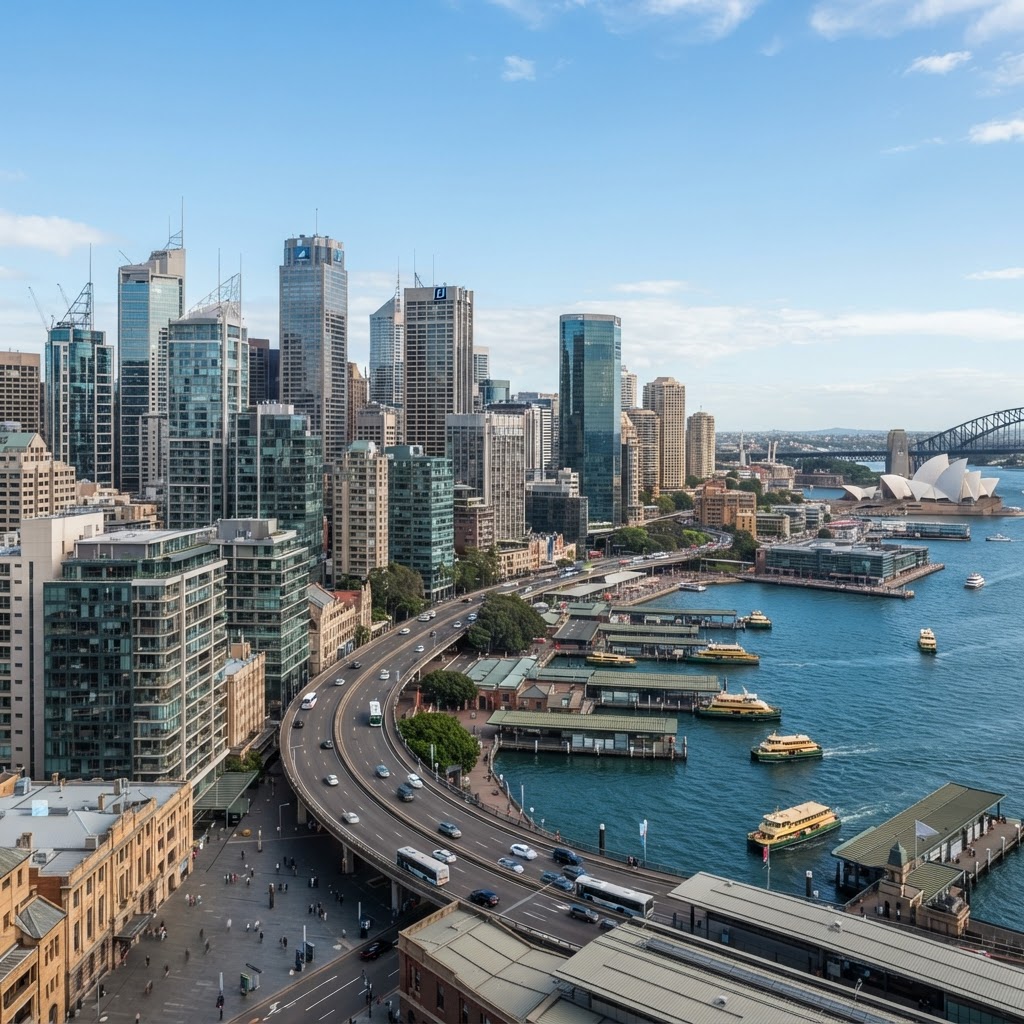
The ASX 200 closed at 8,844 on Saturday, up 0.92 per cent, with the broader All Ordinaries adding 0.94 per cent to finish at 9,048. For the millions of Sydneysiders whose superannuation sits in balanced or growth options through AustralianSuper or Aware Super, that kind of session quietly compounds into something meaningful. The day's real headline, however, was not equities. Gold surged 4.10 per cent to US$4,187 an ounce, a move that rattled fixed-income desks and reinforced a broader flight toward hard assets that has defined much of 2026's investment landscape.
The Australian dollar climbed with the risk-on mood, adding 0.68 per cent to sit at US$0.6943. That move matters directly to Sydney importers, to households carrying US-dollar-denominated debt, and to the funds-management community on Macquarie Street and in the Docklands offices along Darling Harbour. A stronger Australian dollar compresses the returns that local superannuation funds earn on their unhedged offshore equity positions, a structural tension that Australia's large industry funds have been managing for several reporting periods now.
Overnight, Wall Street delivered the session's loudest signal. The S&P 500 rose 1.71 per cent to 7,483 and the Nasdaq Composite jumped 1.87 per cent to 25,833. Technology and growth stocks led the charge, the kind of performance that feeds directly into the offshore-equity allocations sitting inside most Australian default super options. For members who have not elected a specific investment mix, the default balanced option in most large funds carries a substantial weight in global equities, so Saturday's local gains likely understate the full picture for the average Sydney account holder.
Gold and Oil Pull in Opposite Directions
The gold move deserves its own examination. At US$4,187 an ounce, bullion is sending a clear message about where institutional money sees risk. Gold's 4.10 per cent single-session gain is not routine volatility; it is the kind of print that prompts portfolio review meetings. Sydney-listed gold producers, which sit within the ASX materials sector, would have benefited directly. Investors in exchange-traded funds tracking the gold price, a category that has grown substantially among retail clients through platforms based in Sydney's fintech corridor around King Street Wharf, were also well placed.
Oil told the opposite story. West Texas Intermediate crude fell 2.78 per cent to US$68.78 a barrel. Lower oil prices work through the Australian economy in complicated ways. Petrol pump prices for Sydney commuters tend to follow crude lower with a lag of several weeks, which provides modest relief to household budgets already strained by elevated mortgage repayments. But the slide also weighs on the energy sector within the ASX, where several large producers carry meaningful index weight. Investors in diversified ETFs tracking the ASX 200 will feel that drag on the energy component even as the broader index rises.
Bitcoin added 4.78 per cent to reach US$62,870. That is not a figure most conservative Sydney fund managers will cite in their quarterly reports, but it registers across the city's fintech sector and among the growing cohort of self-managed superannuation fund trustees who have allocated a slice to digital assets. The correlation between Bitcoin's moves and broader risk appetite has tightened over recent years, making it a useful, if imperfect, sentiment gauge alongside traditional indicators.
On the property front, auction clearance data from Cotality points to continued softness in Sydney's residential market. That backdrop shapes the investment flow narrative for local lenders. The big four banks, all headquartered or heavily staffed in Sydney, face a market where loan volumes are under pressure even as the Reserve Bank's rate decisions remain the dominant variable. CBA, Westpac, NAB and ANZ each carry substantial mortgage book exposure, and any sustained weakness in clearance rates will eventually show in credit growth numbers and, downstream, in net interest margin calculations that equity analysts monitor closely.
The net picture for a Sydney investor on the first Saturday of July 2026 is one of genuine cross-current. Equities are rising, gold is surging, the local dollar is firming, but oil is soft and property is cooling. Super balances will look better when statements arrive. Mortgage holders get no immediate relief from the Reserve Bank but may see petrol prices ease in coming weeks. The sensible response to a session like this is not to chase any single move, but to read the collective signal: markets are pricing in more risk tolerance globally, and Sydney, as the country's primary financial hub, sits squarely in that flow.
This article is general information only and is not personal financial or investment advice. Consider your own circumstances and seek licensed professional advice before making financial decisions.