finance
Sydney finance war heats up as gold, tech boom
Soaring gold prices and ASX rally spark fierce competition for specialist talent across fund management, fintech and commodities in 2026.
How we reported this
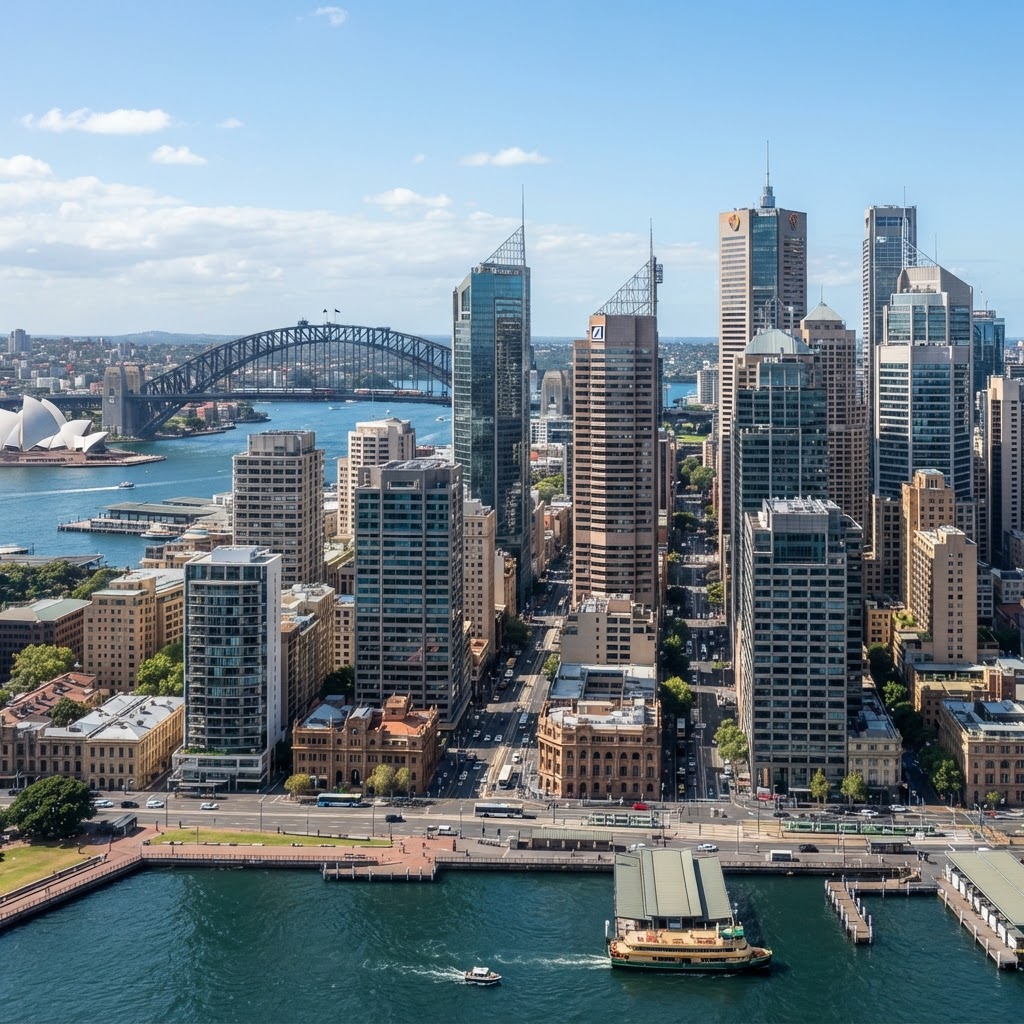
Gold punched through US$4,187 an ounce on Saturday, a single-session gain of more than four per cent that rattled positioning desks from Martin Place to Macquarie Street. The ASX 200 closed at 8,844, up 0.92 per cent, while the broader All Ordinaries index added 0.94 per cent to reach 9,048. The Australian dollar climbed to 69.43 US cents, its best read in weeks. Taken together, the numbers tell a story about where Sydney's financial economy is heading, and which desks are scrambling to hire before the cycle runs any further.
The gold move is the most immediate pressure point. Bullion at these levels pulls capital back toward resources-focused portfolio management and commodity derivatives trading, disciplines that were quietly downsized during the long stretch of low volatility. Sydney's buy-side firms, particularly those managing commodity-exposed equities in the ASX materials sector, are reporting difficulty finding analysts who can bridge quantitative modelling and physical commodity market knowledge. The talent pool thinned considerably after 2022 and it has not replenished at the same pace that prices have moved.
On the equities side, the S&P 500 reaching 7,483, a gain of 1.71 per cent in the session, and the Nasdaq Composite climbing 1.87 per cent to 25,833 are feeding through to Sydney fund management operations that run global mandates. AustralianSuper and Aware Super, the two largest superannuation funds with significant Sydney-based investment teams, have both been expanding their internal asset management capabilities rather than relying entirely on external managers. That structural shift, which accelerated over the past three years as funds absorbed inflows from the superannuation guarantee's legislated increase schedule, is now colliding with a market environment that demands more active management across volatile asset classes. The result is genuine competition for portfolio managers, risk officers and derivatives specialists willing to work inside a fund rather than at a bank or boutique.
Fintech and digital assets pivot back into hiring mode
Bitcoin's move to US$62,701, a gain of 4.49 per cent, is rekindling activity in Sydney's digital assets and fintech corridor, centred around the Surry Hills and CBD technology precincts. Several locally incorporated digital asset platforms that pulled back hiring in 2024 are now advertising again for compliance officers, blockchain infrastructure engineers and institutional sales staff. The renewed interest tracks the broader rally in crypto markets and, more specifically, the gradual engagement of Australian institutional investors with regulated digital asset products. Firms servicing that institutional on-ramp need staff who understand both traditional financial regulation under ASIC's licensing framework and the technical architecture of distributed ledger platforms. That combination is rare and commands a meaningful salary premium.
The currency move adds its own layer of complexity. The Australian dollar at 0.6943 against the US dollar matters directly to Sydney-based treasury and foreign exchange desks at the big four banks, CBA, Westpac, NAB and ANZ, all of which maintain significant trading operations in the city. A sustained lift in the local currency changes the calculus for corporate hedging books and for Australian fund managers holding unhedged offshore equity exposure. Demand for senior FX structurers and hedging advisory staff tends to follow currency volatility, and the move this week has been sharp enough to prompt several conversations about desk resourcing that had been on hold.
WTI crude's slide to US$68.78 a barrel, a fall of 2.78 per cent, complicates the picture for the energy sector specifically. Lower oil weakens the earnings outlook for ASX-listed energy names, which in turn dampens hiring in resources-focused equity research. Some of the analysts who might otherwise have moved from investment banking research into energy-focused funds management are finding that demand less urgent than it was six months ago. The divergence between gold's strength and oil's weakness is creating an uneven jobs market even within the resources desk category.
Macquarie Group, which operates one of the world's largest commodities trading and asset management franchises from its Sydney headquarters at 50 Martin Place, is widely regarded as the bellwether for the city's finance labour market. When Macquarie expands, surrounding boutiques and fund managers find themselves competing for the same graduates and mid-career professionals. The current market environment, with commodities bifurcating sharply between precious metals and energy, creates exactly the kind of complex cross-asset mandate that Macquarie's model is built for, and the firm's gravitational pull on talent tends to intensify accordingly.
For the generation of finance professionals who entered the industry after 2020, Saturday's snapshot, gold at multi-year highs, equities elevated, crypto recovering, currencies moving, is not an aberration. It is the operating environment they have largely always known. The firms best positioned in Sydney's labour market right now are those that recognised this early and built remuneration frameworks and flexible working arrangements designed to retain people who have spent their entire careers pricing risk in a world where nothing stays still for long.
This article is general information only and is not personal financial or investment advice. Consider your own circumstances and seek licensed professional advice before making financial decisions.