finance
ASX surges past 8,800 as gold hits record and property cools: what it means for Sydney investors
A broad market rally, a gold price above US$4,100 an ounce and weakening auction clearance rates are sending mixed signals to Sydney households managing shares, super and mortgages simultaneously.
How we reported this
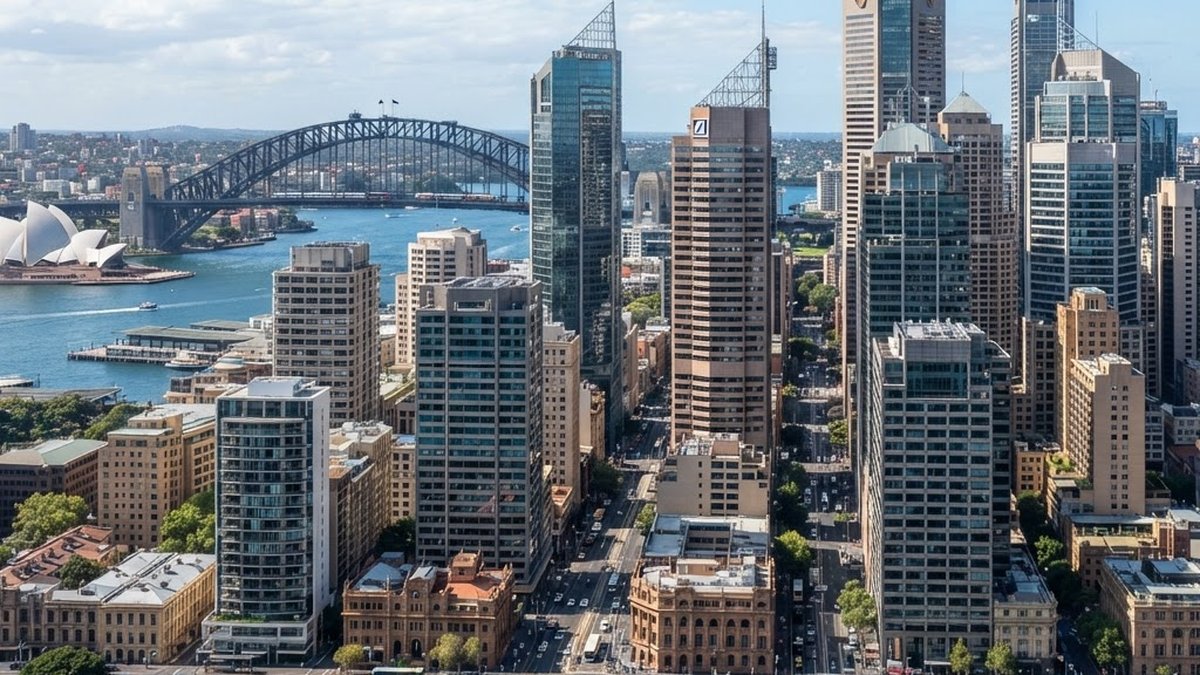
The ASX 200 closed at 8,844 on Saturday, up 0.92 per cent, its best single-session gain in weeks. The broader All Ordinaries finished at 9,048, adding 0.94 per cent. For Sydney residents whose superannuation sits inside AustralianSuper or Aware Super, both of which run heavily diversified Australian equity exposures, a move of that magnitude on a single trading day translates into meaningful balance sheet movement. The rally was not happening in isolation. Wall Street had already put in a powerful session, with the S&P 500 climbing 1.71 per cent to 7,483 and the Nasdaq Composite surging 1.87 per cent to close at 25,833, driven largely by technology names.
The Australian dollar reinforced the risk-on mood, buying US69.43 cents, up 0.68 per cent for the session. A stronger local currency is a double-edged result for Sydney-based investors. It lifts the purchasing power of Australian households in US dollar terms, but it trims the translated value of offshore earnings for companies like Macquarie Group and the big four banks, all of which carry significant international revenue lines. Macquarie in particular, with its sprawling asset management and infrastructure operations across North America and Europe, tends to feel currency headwinds more acutely than its domestic-focused peers at CBA, Westpac, NAB and ANZ.
Gold was the standout story of the session. Spot gold rose 4.10 per cent to US$4,187 an ounce, a level that would have seemed implausible to most analysts even 18 months ago. The move reflects persistent demand for safe-haven assets at a moment when equity markets are simultaneously running hot, an unusual combination that suggests investors are hedging rather than simply chasing risk. For Sydney fund managers on Macquarie Street or in the Martin Place towers, the gold surge is generating real performance tailwinds for any portfolio with meaningful precious metals exposure, whether through ETFs listed on the ASX or direct positions in producers.
Oil slips, property weakens, bitcoin climbs: reading the cross-asset signals
Not every asset class was celebrating. West Texas Intermediate crude fell 2.78 per cent to US$68.78 a barrel, a decline that points to softer global demand expectations or rising supply, possibly both. Cheaper oil has a direct domestic benefit: it puts downward pressure on Australian petrol prices at the bowser and reduces input costs for transport-heavy businesses listed on the ASX, including logistics operators. Energy sector stocks, however, will face earnings headwinds if the crude weakness persists into the next reporting cycle. Origin Energy, already in the headlines over concession scheme debates in South Australia, operates in an environment where wholesale energy pricing and oil linkages matter to its margin outlook.
Bitcoin added 4.21 per cent to reach US$62,528. The cryptocurrency's move tracked equities higher, reinforcing its increasingly correlated behaviour with risk assets rather than its earlier reputation as an uncorrelated store of value. Sydney's fintech community, clustered around the Pyrmont and Surry Hills precincts, has been watching closely. Several ASX-listed firms with digital asset exposure have seen their share prices amplify both the upswings and the selloffs in crypto markets.
The most complicated signal for Sydney households came not from markets but from property. Auction clearance rates across Sydney and Melbourne have fallen to levels described by property data analysts as unusually low for this point in the calendar year. First-home buyers are sitting on their hands, and investors appear to be reassessing yield calculations against elevated mortgage rates. The Reserve Bank of Australia has moved its cash rate lower from its peak, but borrowing conditions remain tight enough to dampen auction day competition. For households who bought at the top of the last cycle and are watching their equity cushion compress, the equity market rally in their super fund offers only partial consolation.
What ties these threads together for Sydney investors is the divergence between financial asset prices and real asset prices. Shares are rising, gold is surging, bitcoin is climbing, yet the house on the weekend's auction block is passing in. That divergence matters for asset allocation. Superannuation members with a long runway before retirement may be content to ride the equity momentum. Retirees drawing down balances, or households planning to sell property and recycle capital into other assets, face a more complex set of trade-offs. The ASX at 8,844 is not cheap by historical measures, and gold at US$4,187 is pricing in a degree of macro anxiety that equity markets, at least on today's numbers, appear to be ignoring. Keeping both thoughts in mind at once is precisely what separates a considered investment strategy from simply following the tape.
This article is general information only and is not personal financial or investment advice. Consider your own circumstances and seek licensed professional advice before making financial decisions.