finance
Resources, banks and a wall of global green: what Tuesday's rally means for Sydney's market
The ASX 200 pushed higher as surging commodity prices and broad offshore gains gave Sydney's resources and financial heavyweights a reason to move.
Listen in English · 3 min
How we reported this
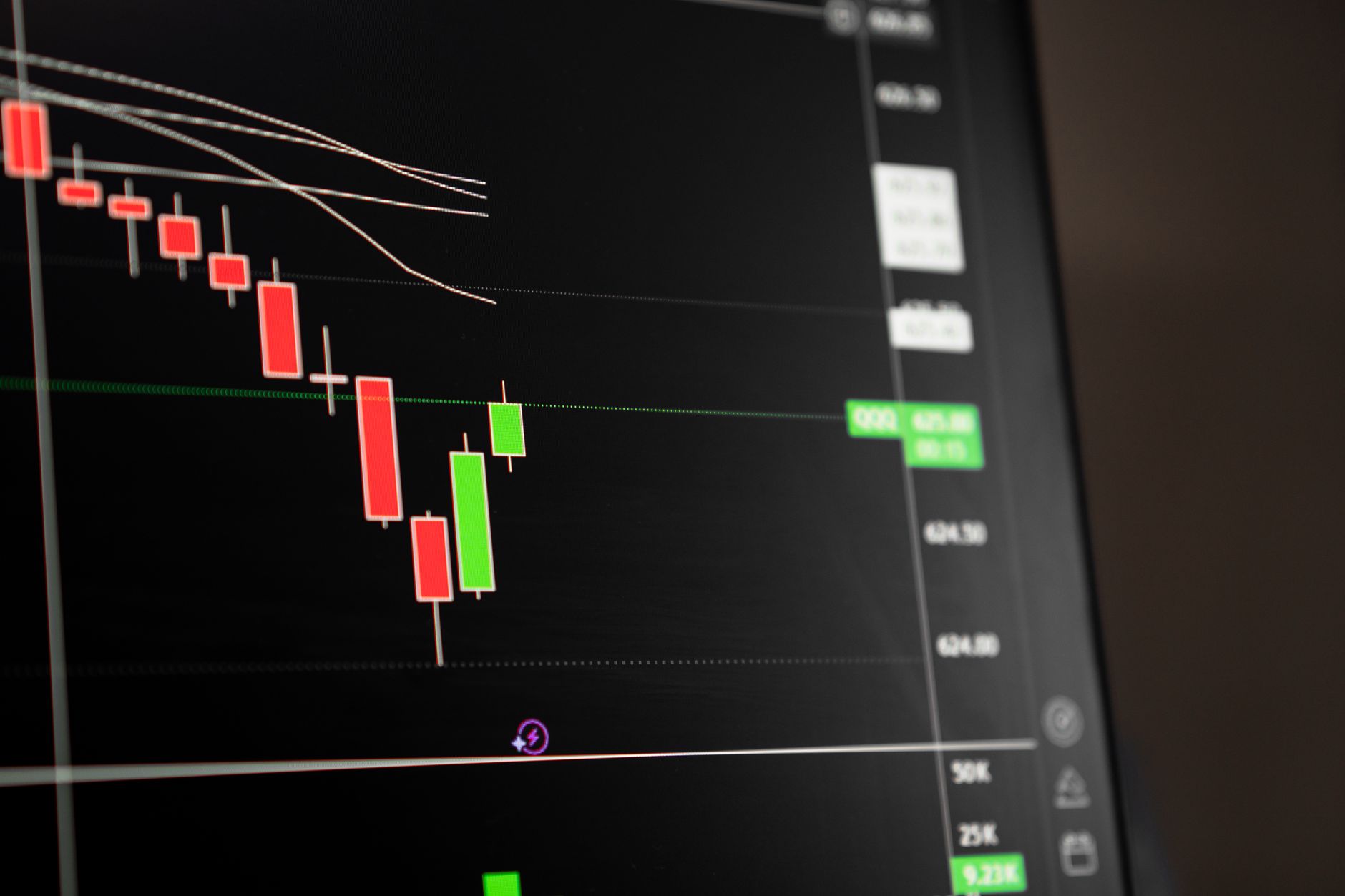
Sydney's sharemarket found its footing on Tuesday, with the ASX 200 adding 0.36 per cent to close at 8,823 and the broader All Ordinaries index gaining 0.34 per cent to 9,004.9. For a bourse where the big four banks, iron ore miners and energy producers collectively account for a substantial portion of market capitalisation, the session's backdrop was about as constructive as investors could reasonably hope for: commodity prices surging, Wall Street firm and European bourses running hard.
The commodity story deserves particular attention for Sydney-listed resource names. Brent crude climbed 3.21 per cent to US$93.93 a barrel and West Texas Intermediate rose 2.01 per cent to US$86.62, moves that feed directly into the revenue lines of the oil and gas producers that populate the ASX's energy sector. Natural gas was also firmer, up 2.69 per cent to US$2.942. Meanwhile, gold advanced 1.70 per cent to US$4,140.20 an ounce and silver surged 2.06 per cent to US$60.045, welcome news for the gold miners that have become an increasingly prominent fixture in Australian portfolios seeking a hedge against uncertainty. Platinum added 1.33 per cent to US$1,647.70. Copper, the metal most closely watched as a proxy for global industrial demand, edged back 0.35 per cent to US$6.488, the one blemish on an otherwise strong commodities session.
Offshore markets set a firm table
The global equity backdrop gave local fund managers little reason to sell. In the United States, the S&P 500 gained 0.74 per cent to 7,498.48 and the Dow Jones rose by the same margin to 52,224.55, while the Nasdaq added 0.72 per cent to 25,690.9. European markets were even more emphatic: the FTSE 100 in London surged 1.83 per cent to 10,716.97, the DAX in Frankfurt rose 1.24 per cent to 25,155.41 and the CAC 40 in Paris gained 0.89 per cent to 8,437.89. For Sydney-based fund managers with offshore exposure, particularly those running balanced or growth superannuation options, a session like this tends to lift the international sleeve of a portfolio meaningfully. The Straits Times Index in Singapore also performed strongly, up 1.75 per cent to 5,595.42, reinforcing that the risk-on tone was genuinely regional rather than isolated to one timezone.
Not every market joined the party. The Hang Seng in Hong Kong fell 1.00 per cent to 24,892.66, a reminder that sentiment toward Chinese equities remains fragile and that Australian companies with meaningful China exposure face a more complicated picture than the headline ASX number implies. The Nikkei 225 in Tokyo dipped a modest 0.18 per cent to 66,115.60, though that follows a run that has taken Japanese equities to levels that would have seemed implausible not long ago.
In digital assets, the session was softer. Bitcoin fell 1.01 per cent to US$65,830.13, or 0.84 per cent in Australian dollar terms to A$94,200.695. Ethereum slipped 0.25 per cent in US dollar terms to US$1,923.54, while in Australian dollars it was down just 0.10 per cent to A$2,751.858. Solana declined 0.66 per cent to US$77.59, XRP was off 0.50 per cent to US$1.1368 and Dogecoin fell 1.19 per cent to US$0.07241. For the growing cohort of ASX-listed crypto-exposed vehicles and exchange-traded products, the pullback in digital assets provided a mild counterweight to strength elsewhere in the portfolio.
For Sydneysiders with superannuation or direct equity holdings, the session is a useful illustration of how interconnected the local market has become with global commodity cycles and offshore risk appetite. A single day's moves rarely define a trend, but the combination of firm Wall Street leads, a broadly supportive European close and a strong run in precious metals and energy prices points to conditions that have historically been supportive for the resource and financial names that dominate the Australian benchmark. As always, the relevant impact on any individual's position depends entirely on the specific holdings within their fund or portfolio. This article is general information only and does not constitute personal financial or investment advice. Readers should consider their own circumstances and consult a licensed financial adviser before making any investment decisions.