lifestyle
Sydney Transport Costs Outpace Wage Growth, Squeezing Commuters' Budgets
As fares rise and property prices cool off outer suburbs, getting around the city has become a major budget item for workers and students.
How we reported this
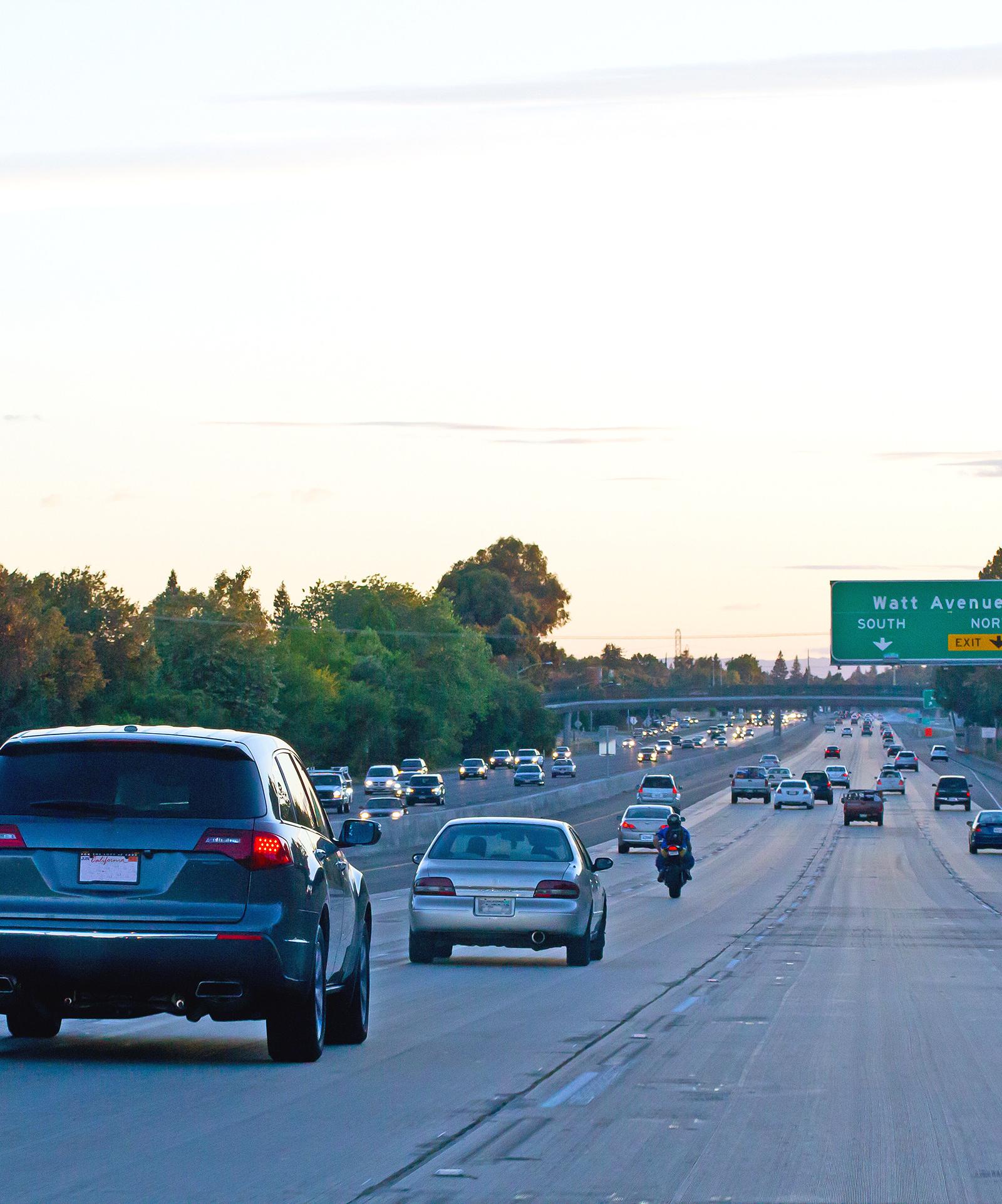
Sydney's daily commute just got more expensive. Transport NSW lifted fares across the Opal card system on July 1, pushing the price of a peak-hour journey on the train network from $3.87 to $4.10, a 6 per cent jump that comes as median salaries have barely budged in the past two years.
The timing matters. With first home buyers retreating from the property market and property prices cooling across outer ring suburbs like Penrith and Campbelltown, the cost of getting from home to work has become a genuine financial consideration for households deciding where to live and how to move around the city. For someone catching two trains daily, say from Strathfield to the CBD and back, the annual bill now runs to roughly $2,100 at peak rates, before any weekend travel.
The increases affect everyone differently depending on where they live and work. A student or shift worker using off-peak fares pays less, the off-peak single now costs $2.30 instead of $2.17. But anyone commuting into the city during morning and evening rush hours faces steeper costs. Daily commuters on the T2 Inner West line between Petersham and Central pay the new peak rate four times a week minimum.
Where the price hits hardest
The shift reveals a broader transport access problem for Sydney. Residents in Parramatta, which has become a secondary CBD with growing office towers along Church Street, still rely on a 50-minute rail commute to reach the primary CBD on George Street. The cost is identical whether you're heading to Macquarie Park via the M2 toll road or catching the train. For car commuters, fuel costs have steadied around $1.79 per litre at servos across Epping and Thornleigh, but tolls on the M2, M7 and F6 add up quickly, the M2 alone charges $13.62 for a single peak-period trip between Pennant Hills and Eastwood.
Workers based in Chatswood and North Sydney still face a choice between catching the train across the Harbour Bridge or driving. The M1 northbound toll costs $7.07 during peak hours. A weekly pass on public transport, called a weekly Opal cap, tops out at $59.40, which covers unlimited travel across trains, buses, ferries and light rail for seven days.
Transport NSW figures released in May showed 1.24 million daily boardings across the train network, with the highest volumes on the T1 North Shore line between Hornsby and Central. The same dataset revealed that bus usage has declined 12 per cent over three years, suggesting many commuters have shifted to driving or moved to locations closer to work.
Planning your commute on a budget
For anyone moving to Sydney or changing jobs, the transport cost calculator on the Transport NSW website breaks down fares by zone and time of travel. A person working three days a week from an office in Parramatta and two days from home saves roughly $15 weekly compared to going in daily. Monthly caps on the Opal card cost $317.80 at peak rates, cheaper than buying individual journeys if you're commuting more than 15 times per week.
Employers in the CBD and inner west increasingly offer salary packaging for transport passes, letting workers buy Opal cards through pre-tax salary deductions. This can save 30 to 40 per cent depending on your tax bracket. Check whether your employer participates in schemes like the Australian Salary Packaging Association before signing a contract or relocating.
The broader picture suggests Sydney commuters should factor transport costs into housing decisions more carefully than before. A house in Penrith costs roughly $200,000 less than an equivalent property in Strathfield, but the daily train fare and time cost both need accounting for. With fares rising annually and property prices in outer suburbs no longer climbing as quickly as they were five years ago, the gap between saving on rent and paying for transport has narrowed considerably.