lifestyle
From Industrial Roots to Artisan Hubs: How Redfern is Evolving and Changing
New heritage-sensitive developments and a wave of specialty retailers are redefining the character of this historic Sydney precinct.
How we reported this
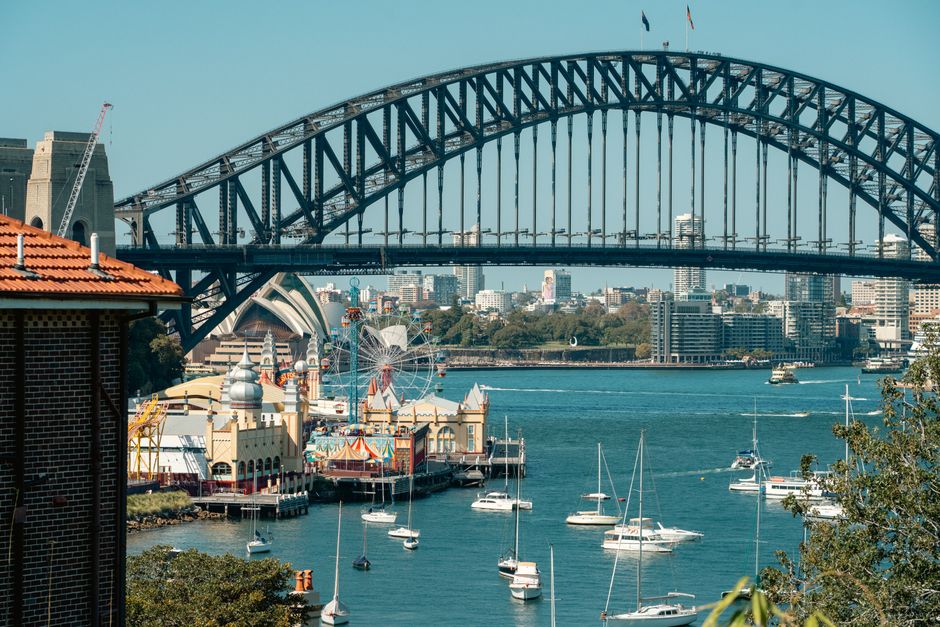
Redfern is shedding its industrial skin as a new wave of adaptive reuse projects transforms former manufacturing sites into high-density lifestyle hubs. Where textile factories and automotive workshops once defined the skyline along Redfern Street, boutique coffee roasters and high-end residential suites now dictate the foot traffic.
The Shift in Retail Identity
Local businesses are pivoting to match the demographic shift currently unfolding across the suburb. The arrival of specialty grocers like the recently opened iteration of a boutique deli near the corner of George and Redfern streets has pushed average local spend up, reflecting a move away from the traditional discount retail model. This trend is further supported by the expansion of creative workspaces, notably the renovated heritage warehouses now operated by the City of Sydney’s community development initiatives, which prioritize indigenous-led enterprise and design-focused startups.
Data released by the Australian Bureau of Statistics in the March 2026 quarter indicates that residential density in the postcode 2016 has increased by approximately 3.2% year-on-year. Property values within a 500-metre radius of the Redfern Railway Station have seen a corresponding appreciation, with median unit prices now sitting at approximately $985,000, according to recent market analysis provided by real estate researchers at Domain. The physical transformation of the streetscape is no longer limited to high-rise developments; it now encompasses the restoration of Victorian-era terraces into mixed-use commercial properties.
Infrastructure and Future Planning
Infrastructure spending remains the primary driver of this evolution. The ongoing upgrades to the Redfern Station precinct, managed by Transport for NSW, serve as the anchor for these development cycles. Project documents published by the department highlight that the new western concourse, expected to be fully operational by late 2027, aims to alleviate the bottlenecking that has historically isolated the southern end of the neighbourhood from the main thoroughfare. Residents are watching these timelines closely as local council approvals for further commercial expansions on Gibbons Street continue to reach the planning stage.
For those living or working in the area, the next twelve months will involve navigating significant construction zones as these transit-oriented projects reach their peak. The City of Sydney has advised that temporary closures of pedestrian walkways will remain in place intermittently until the final phase of the station upgrades concludes in mid-2028. Property owners and business operators are encouraged to review the official City of Sydney public domain plans to understand how upcoming changes to traffic flow on Regent Street will affect local accessibility. Adapting to this rapid transition will require both patience and an engagement with the public consultation forums hosted by the local ward councillors throughout the latter half of the year.