news
Sydney Metro: What Officials, Experts and Key Figures Are Saying About the Network Reshaping the City
From Westmead to Parramatta to the CBD, the people shaping Sydney's rail future are making bold predictions, and a few are sounding alarms.
How we reported this
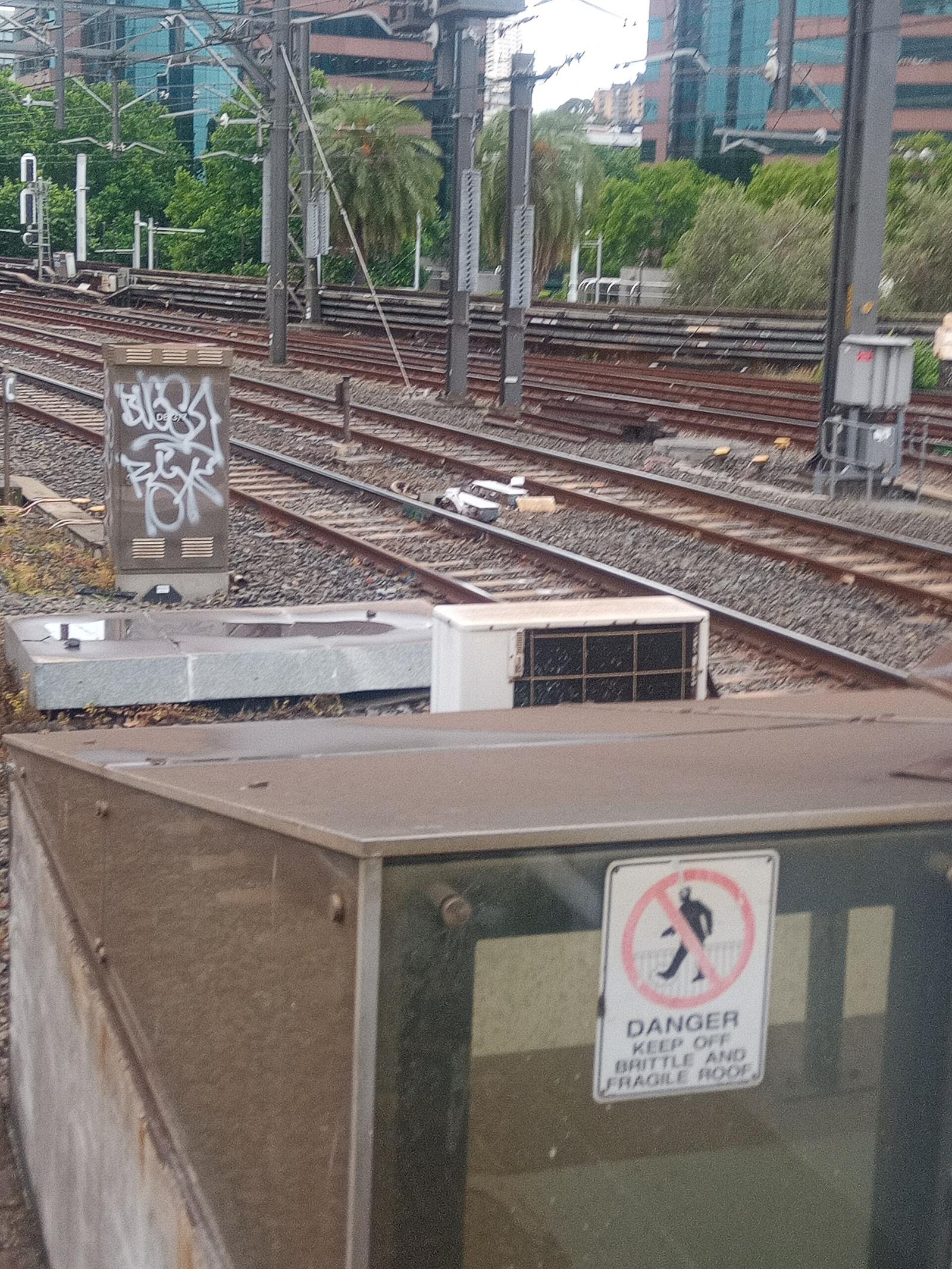
Sydney's metro network is now carrying more than 100 million passenger trips annually across its two operational lines, and the government is betting billions more that the figure will double once Metro West opens. That single project, a 24-kilometre tunnel running from the Sydney CBD to Westmead, with eight new stations including stops at Hunter Street, Pyrmont, Five Dock, Burwood North and Olympic Park, is the most expensive piece of transport infrastructure in Australian history, currently budgeted at $25 billion and rising.
The question dominating Sydney's planning circles right now is not whether the network will be built. It is whether the city will be ready for it. Housing density along the corridor remains stubbornly low. Development approvals near future station precincts at Five Dock and Burwood North have lagged behind Infrastructure NSW's own projections. And the NSW Treasury is quietly managing the fiscal pressure of a project whose cost has grown by more than $6 billion since the original 2019 business case.
What the Officials and Planners Are Arguing
Transport for NSW has been publicly confident, pointing to the success of the Metro Northwest, the line running from Tallawong to Chatswood, opened in May 2019, as proof the model works. Passenger satisfaction scores on that line consistently run above 90 per cent in quarterly surveys, and the Norwest Business Park precinct around Bella Vista station has undergone genuine commercial transformation since opening day. The agency's position is that Metro West will replicate and exceed those outcomes across Western Sydney, where the Parramatta CBD is already the state's second-largest commercial centre.
Urban economists at the University of Sydney's Institute of Transport and Logistics Studies have been more measured. Their modelling, published in March 2026, suggested the 15-minute frequency promised for Metro West during peak hours would need to scale to 10 minutes or below within a decade if the Parramatta Road corridor develops at the density the government's own housing targets require. The report noted that the City of Canada Bay and Strathfield local government areas, which sit directly on the corridor, are currently zoning for roughly 60 per cent of the dwellings the state government's Transport Oriented Development program anticipated by 2030.
The Greater Cities Commission, rebranded and restructured twice in three years, has pointed to the six-cities framework as the strategic logic behind the metro investment. The idea is that metro rail makes Parramatta, Liverpool and Penrith genuinely competitive with the CBD as employment hubs, reducing the east-west congestion that costs the Sydney economy an estimated $6.5 billion per year in lost productivity, according to 2025 figures from the Centre for International Economics.
The Voices Raising Questions
Not everyone is sold. Infrastructure economists at Deloitte Access Economics flagged in a June 2026 briefing note that Sydney Metro's per-kilometre construction costs are now among the highest recorded for any comparable urban rail project globally, exceeding equivalent projects in London and Singapore after currency adjustment. Their analysts have argued the government needs to publish a full, independently audited business case update before the Metro West tunnelling contract reaches its next major milestone later this year.
Local government leaders in the inner west have separately pushed back on the pace of station precinct planning. Cumberland Council, whose boundary sits adjacent to the Berala and Auburn corridors, has noted that infrastructure funding for the roads, cycleways and school capacity needed to support higher density near stations has not kept pace with the rezoning ambitions. Without that supporting investment, councils argue, the metro risks generating housing supply on paper that never gets built on the ground.
For commuters already riding the Metro Northwest from Rouse Hill or Kellyville, the debates in planning offices and Treasury can feel distant. Those passengers know the network works. The argument, sharply put by transit advocates at the Rail Futures Institute, is that Sydney cannot afford to spend $25 billion on Metro West and then fail to build the city around it. The NSW government's next public update on Metro West construction progress is scheduled for the September 2026 budget estimates hearings, that will be the moment the numbers get tested in public, line by line.