news
How Sydney's Property Listings Became a Minefield of Recycled Photos, and What Finally Forced a Reckoning
The practice of reusing old or misleading property images has quietly corrupted Sydney's real estate market for years; here's the chain of events that brought it to a head.
How we reported this
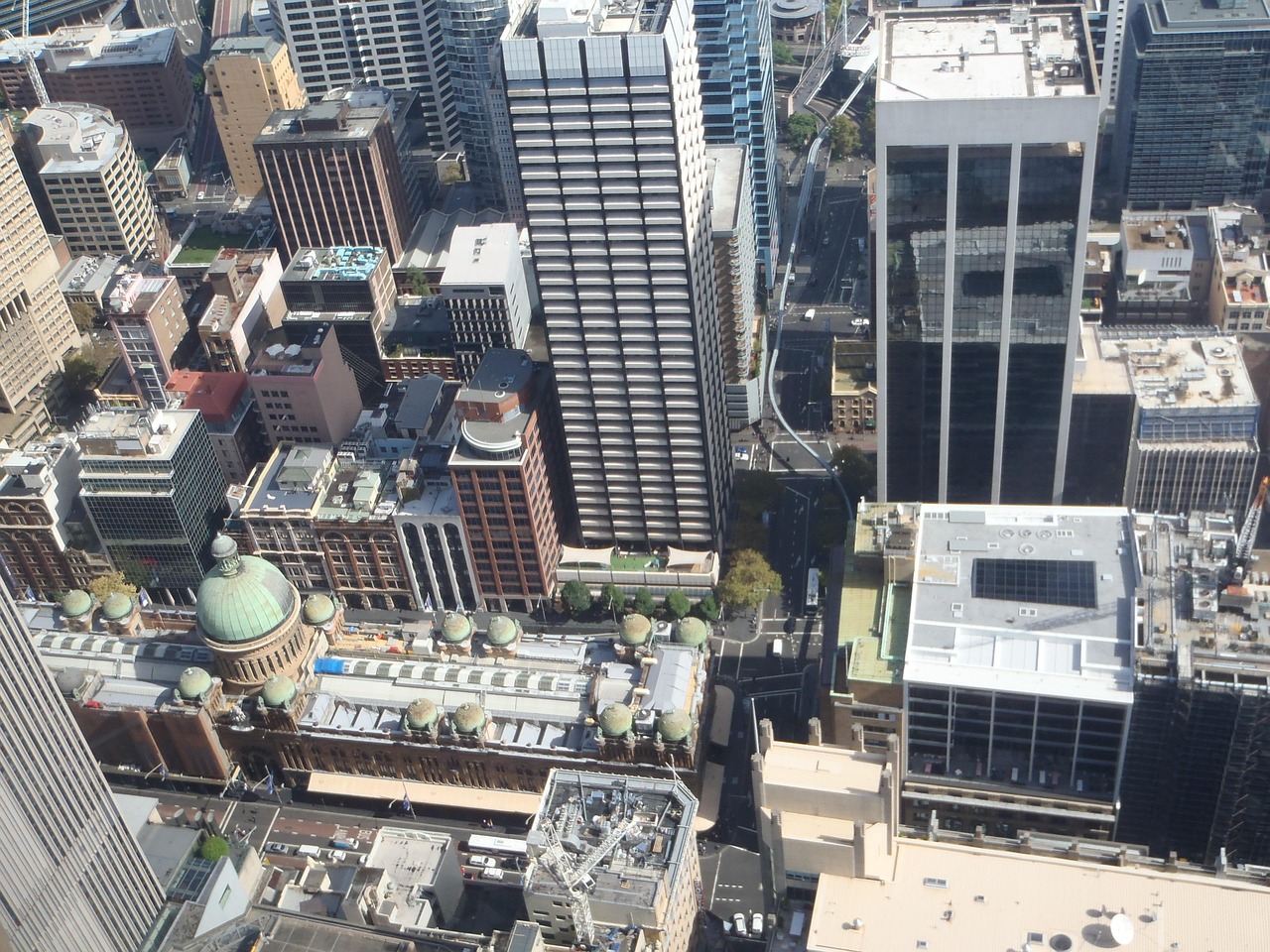
The problem has a deceptively simple name. Duplicate image replacement, the practice of swapping out outdated, stolen, or deceptive property photographs in online listings, sounds like a technical housekeeping task. It is anything but. For thousands of Sydney renters and buyers navigating one of the world's most expensive housing markets, a single misleading photograph has meant the difference between signing a lease on a renovated Surry Hills terrace and walking into a gutted shell.
The issue crystallised over the past 18 months as the NSW housing crisis pushed more transactions online. With median house prices in Greater Sydney remaining stubbornly high and rental vacancy rates in the inner west and south-west falling to historic lows, competition for properties intensified to the point where many applicants were submitting applications, and paying holding deposits, without inspecting in person. That shift created fertile ground for images that bore little resemblance to current property conditions to circulate unchallenged across the major portals.
A Paper Trail Through Parramatta and Paddington
The mechanics are worth understanding. A landlord photographs a freshly painted two-bedroom apartment in Parramatta's Church Street precinct in 2021. The property is listed, leased, and later falls into disrepair. When it re-enters the rental market in 2024 or 2025, the original photographs, sometimes downloaded directly from the Domain or realestate.com.au listing history, are reattached to a new advertisement. The kitchen that once gleamed no longer exists in that form. The garden shown may have been concreted over.
NSW Fair Trading received a rising number of complaints related to misleading property advertising in the 2024-25 financial year, a pattern that consumer advocacy groups have argued reflects both a surge in rental turnover and the inadequacy of existing verification requirements under the Property and Stock Agents Act 2002. The Act requires agents to take reasonable steps to ensure advertising is not misleading, but it imposes no specific obligation to timestamp photographs or certify that images reflect current property conditions, a gap that multiple stakeholders have flagged publicly.
Realestate.com.au introduced an automated duplicate-image detection layer to its listing platform in late 2023, designed to flag images that had been published in connection with a different property address within the preceding five years. Domain followed with a comparable tool in mid-2024. Neither system is foolproof; photographs altered with basic editing software or cropped differently frequently bypass the filters. Agents operating out of offices along Parramatta Road and in the Blacktown CBD have, in some documented cases brought to Fair Trading's attention, simply mirrored or colour-adjusted older images to avoid detection.
Why Accountability Has Been Slow to Arrive
Several structural factors explain the lag. NSW's real estate licensing system processes complaints through Fair Trading but penalty enforcement has historically been slow, with investigations sometimes taking more than 12 months to resolve. The Real Estate Institute of NSW has a professional conduct framework, but membership is voluntary and not all agents operating in outer western Sydney suburbs are affiliated. Consumer group CHOICE published analysis in 2025 pointing to a disconnect between the volume of misleading-advertising complaints lodged nationally and the number of agents who faced formal disciplinary action.
The Metro West construction corridor, running through Auburn, Silverwater, and Homebush, has also generated a secondary problem. Properties adjacent to active construction zones have been advertised using pre-works photographs that omit noise barriers, altered streetscapes, and access disruptions that materially affect liveability. Prospective tenants discovering these conditions post-signing have had limited recourse.
What happens next is, for once, reasonably clear. NSW Fair Trading flagged in its 2025-26 regulatory priorities document that it intended to consult on stronger photographic disclosure requirements for residential property listings, including potential mandated dating of images. If those consultations proceed on schedule, draft guidelines could be open for public comment by the end of the third quarter of 2026. Anyone currently searching for a rental or purchase in Sydney should request from any agent a written confirmation that listing photographs were taken within a specified recent period, and lodge a complaint with Fair Trading at 13 32 20 if that request is refused.