news
How Sydney's Property Market Ended Up Flooded With Fraudulent Listing Photos, And What's Being Done About It
Duplicate and manipulated listing images have quietly corrupted real estate advertising across Greater Sydney for years; here's the trail that led to where we are today.
How we reported this
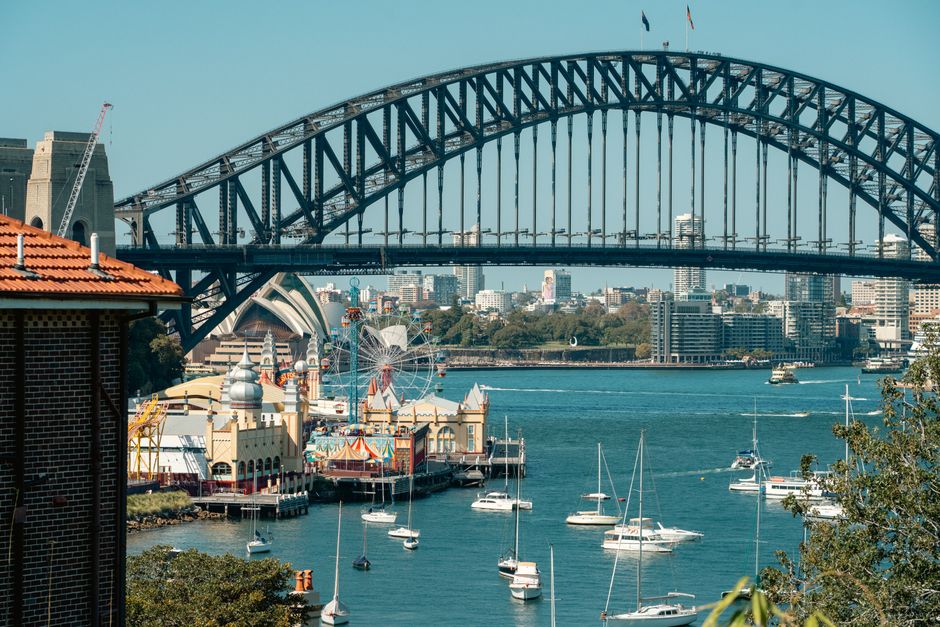
Thousands of Sydney property listings have carried recycled, misrepresented or outright duplicated photographs, images pulled from other suburbs, other states, or even other countries and dropped into advertisements for homes in places like Blacktown, Parramatta and Liverpool. The practice is not new, but pressure to address it has reached a tipping point in mid-2026, driven by a combination of record housing stress, a surge in rental fraud complaints to NSW Fair Trading, and the mainstream adoption of reverse-image search tools by ordinary renters and buyers.
The timing matters. Sydney is in the grip of a housing crisis that has pushed median rents in the inner west past $700 a week for a two-bedroom unit and compressed vacancy rates across the entire metropolitan area. Desperation in the market has historically been a precondition for fraud. When supply is thin and applicants are competing fiercely, fewer people take the time, or feel they have the luxury, to scrutinise listing photographs before handing over holding deposits. Scammers and negligent agents alike have exploited exactly that dynamic.
A Problem Built Over Decades
The roots of the duplicate-image problem run back to the early 2010s, when Domain and realestate.com.au rapidly expanded their databases and listing volumes ballooned. At that point, neither platform had automated systems capable of flagging when the same image appeared across multiple unrelated listings. Small agencies in outer-suburban corridors, particularly along the North West Metro corridor and in the Fairfield local government area, began borrowing stock photography or lifting images from comparable properties in other postcodes to fill out listings quickly and cheaply.
By 2018, the practice had mutated. Dedicated rental scam networks, some operating from outside Australia, began harvesting entire photo galleries from legitimate Sydney listings, re-advertising those properties at below-market rents on third-party sites, and collecting deposits from applicants who never met a real landlord. The NSW Government's Rental Taskforce, established under the previous administration, recorded a steady rise in complaints through that period, though the exact complaint volumes are a matter of public record through annual Fair Trading reports rather than anything released this week.
The Real Estate Institute of NSW has over the years updated its professional conduct guidelines to address misleading advertising, and the Australian Consumer Law already prohibits representations likely to mislead or deceive. The gap has never been in the legislation, it has been in detection and enforcement. Checking every image in every new listing against an existing database was, until recently, computationally expensive and practically unworkable for platforms processing hundreds of thousands of listings each month.
Technology Closes the Gap, Slowly
That changed materially around 2023 and 2024, when perceptual hashing and AI-assisted image fingerprinting became cheap enough to embed in listing-management software at scale. Domain announced an expanded image-integrity program in late 2024. Realestate.com.au followed with its own internal flagging system. Neither platform has published granular data on how many listings were pulled or modified as a result, but industry observers at the University of New South Wales City Futures Research Centre in Kensington have been tracking listing-quality metrics as part of broader rental market research.
For renters in high-pressure suburbs, Surry Hills, Marrickville, Rouse Hill, and the apartment towers proliferating around Parramatta's Church Street, the practical advice has not changed much. Before submitting any application or paying any deposit, run the listing's primary photograph through Google Images or TinEye. Cross-check the address on Google Street View. Insist on an in-person inspection rather than a virtual tour, even when agents push back. NSW Fair Trading's official complaint line is 13 32 20, and the agency does investigate holding-deposit fraud under the Residential Tenancies Act 2010.
The broader fix, mandatory image-integrity checking built into every listing portal before a property goes live, is the policy outcome tenant advocates have been pushing toward. It has not arrived yet. What has arrived is the technology to make it possible, a housing market desperate enough to make fraud endemic, and enough public pressure to keep the issue on the radar of a state government already under considerable political strain heading into the next election cycle.