news
Sydney's Property Market Has a Fake Photo Problem, Here's What Officials and Experts Are Saying
Duplicate and misleading listing images are cluttering Sydney's rental and sales portals, and the people tasked with policing them say the problem is getting worse.
How we reported this
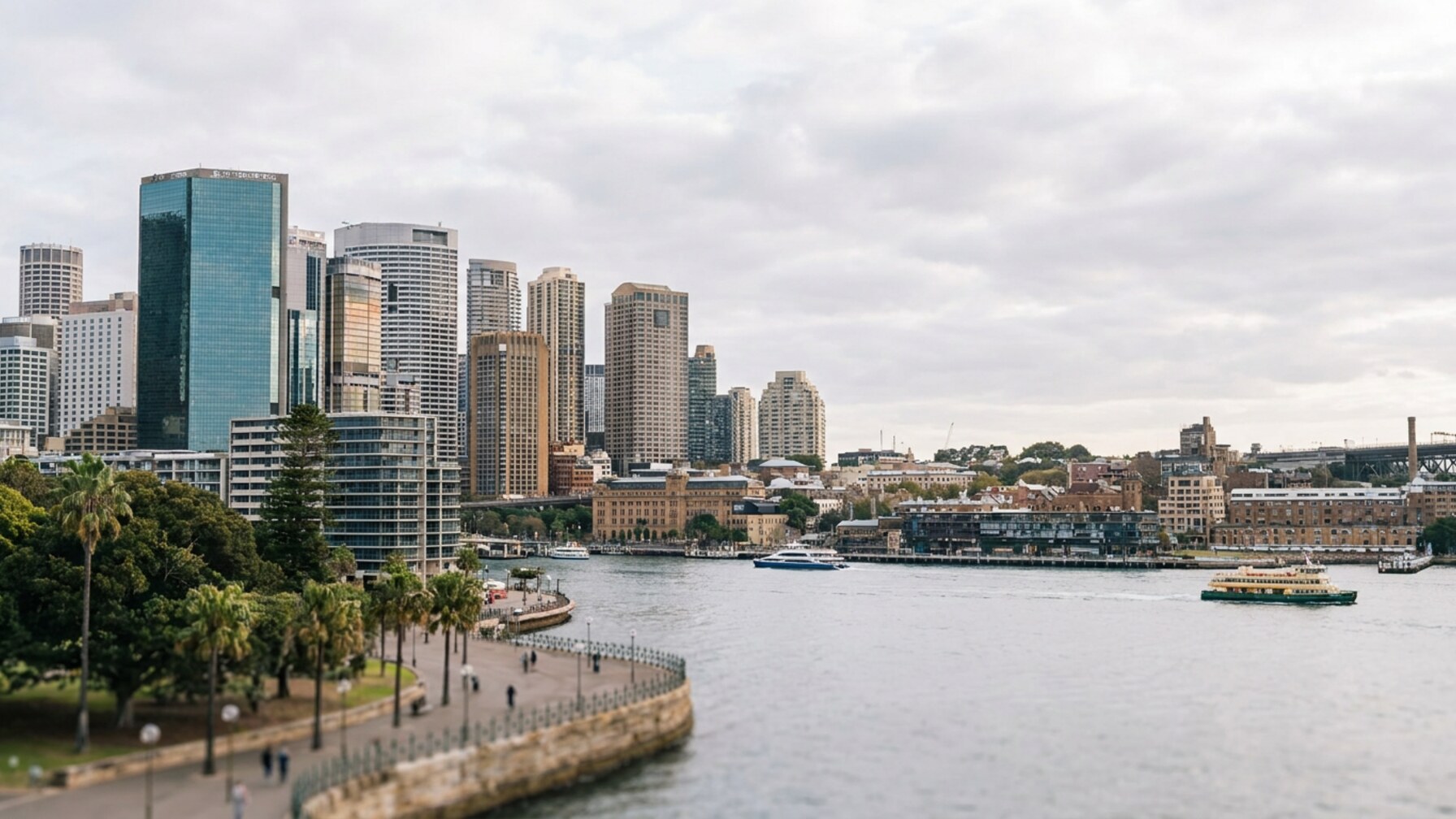
Real estate listing portals serving Sydney's stretched housing market are under growing pressure to clean up a persistent problem: duplicate and replaced images that misrepresent properties, confuse prospective tenants and buyers, and in some cases mask serious defects. Fair Trading NSW confirmed earlier this year that image manipulation in property listings falls within its consumer protection remit, though enforcement actions against specific agencies remain limited and case-by-case.
The issue has sharpened in 2026 because demand has not let up. Rental vacancy rates across Greater Sydney have remained stubbornly low, PropTrack data from June 2026 placed the metro vacancy rate at roughly 1.3 per cent, meaning renters are making decisions faster, with less time to scrutinise what they're looking at online before signing a lease. A listing photo showing a spotless Marrickville terrace kitchen that turns out to belong to a neighbouring property, or a Parramatta apartment balcony digitally substituted from a higher floor, can carry real financial consequences for the person who signs without inspecting in person.
What the Regulators and Industry Bodies Are Saying
NSW Fair Trading has pointed to existing provisions under the Property and Stock Agents Act 2002 as the primary lever. Agents who publish materially false or misleading representations in a listing, including images that do not accurately depict the property being advertised, can face disciplinary action, licence conditions or fines. The agency has not published a dedicated enforcement figure specific to image fraud in the 2025-26 financial year, but its general complaints data shows property advertising disputes remain among the top five categories it receives.
The Real Estate Institute of NSW has told its members through guidance circulated in early 2026 that image authenticity is a professional conduct matter, not just a platform moderation issue. The institute stopped short of calling for mandatory image verification technology, but its communications have urged member agencies to audit their listings on platforms including Domain and REA Group's realestate.com.au before they go live. Neither Domain nor REA Group has publicly announced a Sydney-specific enforcement pilot, though both platforms operate general image review systems.
Consumer advocacy group CHOICE has separately flagged the issue in its housing affordability work, noting that image replacement, where a landlord or agent swaps out photos of a deteriorating property with older, better-condition shots, is particularly acute in the outer-west growth corridors where stock turns over quickly. Suburbs along the future Metro West alignment, including Westmead and North Strathfield, have seen high listing volumes as investors anticipate the line's opening.
What Buyers and Renters Are Being Told to Do
The practical advice coming from consumer advocates, conveyancers and tenants' unions is consistent: treat any listing image as illustrative, not definitive. The Tenants' Union of NSW recommends that renters attending inspections in suburbs like Lakemba, Auburn and Fairfield, areas with high rental competition and fast-moving stock, photograph every room themselves at the point of inspection and retain those images before handing over a holding deposit.
For buyers, the Law Society of NSW has long recommended that Section 32 vendor statements and building inspection reports, not listing photography, form the evidentiary basis for any purchase decision. That advice is especially pointed for off-the-plan apartments in precincts like Macquarie Park and Green Square, where the gap between a marketing render and a finished product has generated disputes that have reached the NSW Civil and Administrative Tribunal.
Technology fixes are being discussed inside industry bodies. Watermarking systems tied to a listing's cadastral identifier, the lot and deposited plan number on the title, have been floated as a way to make image substitution detectable. Whether any major portal commits to that standard before the next state election, due by March 2028, will depend partly on how hard Fair Trading presses the compliance case. The agency's next annual report, expected in October 2026, will be the clearest signal yet of where it stands.