news
Fake Property Photos Are Flooding Sydney's Rental Market, and Locals Are Paying the Price
Duplicate and manipulated listing images are distorting Sydney's already stretched rental market, leaving tenants out of pocket and landlords exposed.
How we reported this
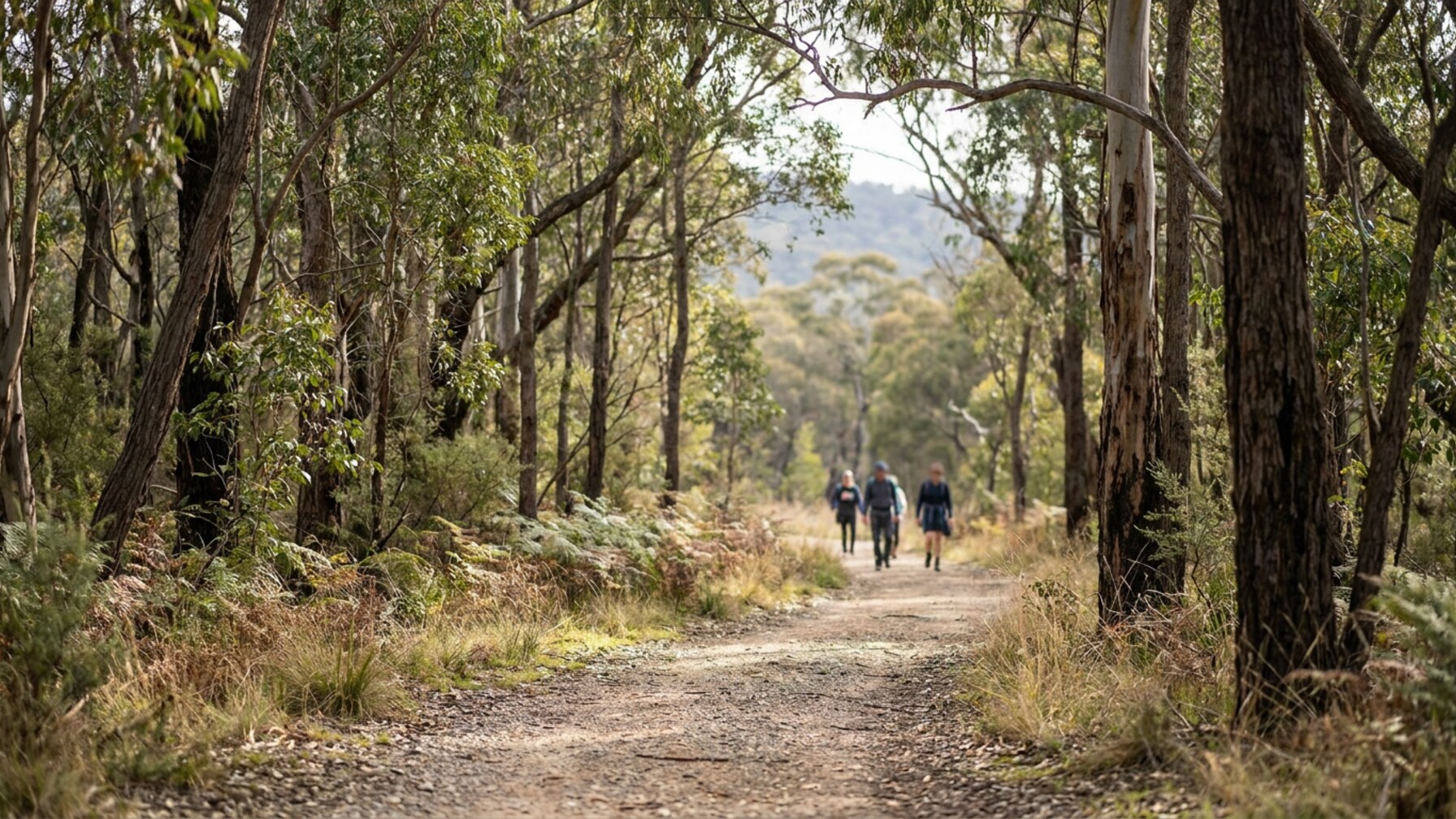
Renters searching for a home in Sydney are increasingly falling victim to a quiet but damaging scam: property listings that reuse, steal, or digitally alter photographs from other real addresses, making mouldy flats look move-in ready and cramped studios resemble light-filled apartments. The practice, broadly called duplicate image fraud, is accelerating at exactly the moment the city can least afford it.
Sydney's rental vacancy rate has been sitting below two per cent for more than a year, according to data published by the Real Estate Institute of NSW. In that environment, prospective tenants often commit to properties sight-unseen, transferring holding deposits or even full bond payments based solely on online photographs. That urgency is precisely what bad actors are exploiting.
How It Works on the Ground
The mechanics are straightforward. A fraudulent or negligent listing agent, or, increasingly, a private landlord operating without professional oversight, lifts photographs from a sold or leased property in a desirable suburb and attaches them to an inferior listing elsewhere. A unit in Granville gets dressed with photos of a renovated apartment in Newtown. A boarding house room in Auburn is marketed with images of a terrace in Surry Hills. The tenant pays a bond of four weeks' rent, which at Sydney's current median of roughly $650 per week for a one-bedroom unit means $2,600 upfront, and arrives to find something entirely different.
Fair Trading NSW received a substantial increase in complaints related to misleading rental advertising in the 12 months to June 2026, according to publicly available departmental data, though the agency does not separately categorise image fraud as a standalone complaint type. Consumer advocates say that gap in the data itself tells a story: the problem is not being tracked with enough precision to be properly addressed.
In Western Sydney, community legal centres including Westjustice and the Western Sydney Community Legal Centre have reported steady client traffic from tenants seeking advice after discovering a rental property did not match its advertised photographs. Both organisations operate drop-in sessions, Westjustice out of its Parramatta office on Phillip Street, and staff say the volume of rental-related inquiries has not eased since the start of 2026.
The Tools Exist. The Uptake Doesn't.
Reverse image search technology can identify a duplicated photograph in seconds. Google Lens, TinEye, and several property-specific verification tools are free and available on any smartphone. Domain and REA Group, the two dominant listing platforms in Australia, both have policies prohibiting misleading images, and each operates a reporting mechanism for suspect listings. But consumer groups argue those mechanisms are reactive rather than preventive, a listing has to be reported before it is reviewed.
The NSW Government's Rental Taskforce, established under the Minns Labor government and housed within NSW Fair Trading, has the power to audit agents and issue penalty notices. The maximum penalty for a real estate agent who publishes materially misleading advertising under the Property and Stock Agents Act 2002 is $22,000 for a corporation. For private landlords acting outside a licensed agency, enforcement falls to Fair Trading's general consumer protection powers, which carry their own separate penalty schedule.
Tenants Union NSW has published a practical guide on its website, tenants.org.au, advising prospective renters to use image verification tools before paying any money, to request a live video walk-through if an in-person inspection is unavailable, and to insist on a written condition report that references every photograph used in the listing. The union also recommends cross-checking the listed address on Google Street View before attending an inspection, since streetscape images can quickly reveal a mismatch between what is advertised and what is actually there.
The broader fix will require the listing platforms to move from passive reporting to active image-matching systems, technology already deployed by social media companies to detect copyright violations. Both Domain and REA Group have been approached previously by technology partners offering such tools, though neither has publicly committed to a mandatory rollout. With Sydney's rental crisis unlikely to ease before Metro West opens new corridors to housing in the early 2030s, the window for voluntary action is narrowing fast.