news
How Sydney's Property Market Ended Up Flooded With Fake Listing Photos, and What's Being Done About It
Duplicate and AI-manipulated images have quietly corrupted real estate listings across the city for years; here is how the problem took root.
How we reported this
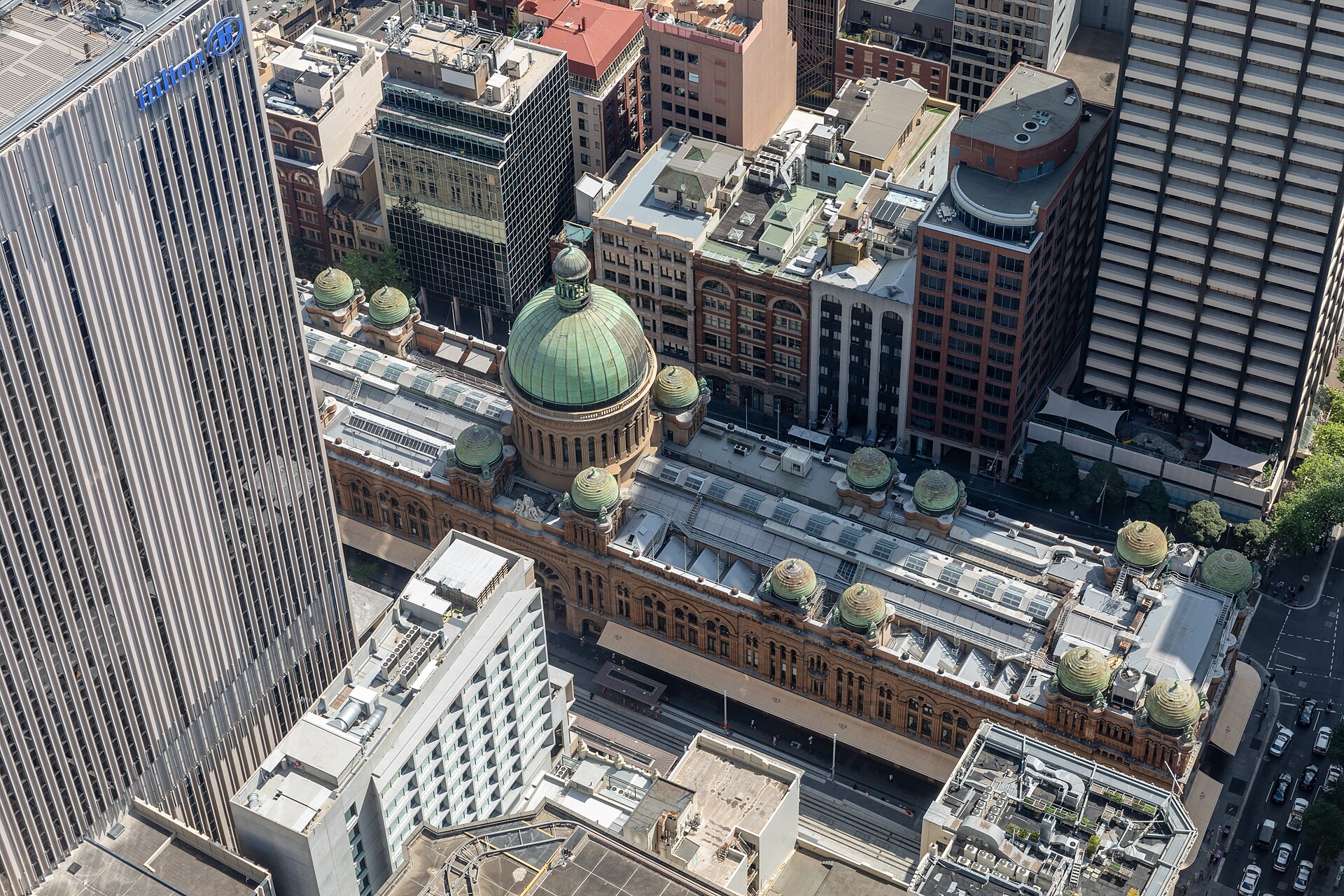
Sydney's property market has a dirty little secret buried inside its listing portals. Duplicate images, photographs recycled from previous sales, scraped from unrelated properties, or digitally altered to hide defects, have appeared on listings from Parramatta to Paddington, misleading buyers at a moment when the median house price in Greater Sydney sits well above $1.4 million. The practice is old, but it has accelerated sharply with the arrival of generative AI tools capable of repainting mouldy ceilings, removing powerlines from streetscapes, and cloning a Surry Hills terrace's heritage facade onto a Blacktown fibro cottage.
The timing matters. With Metro West construction tearing up Burwood Road and speculation driving auction clearance rates back toward the high sixties across inner-west suburbs, buyers are increasingly relying on digital listings rather than attending every open house. That shift from kerb-side inspection to screen-based research is exactly what makes image fraud low-risk for bad actors and high-consequence for the families signing contracts.
How the Problem Compounded Over a Decade
The seeds were planted around 2012 and 2013, when REA Group's realestate.com.au and Domain Holdings both expanded their digital listing products and began charging agents for premium photo packages. Agents and vendors discovered quickly that a property with more photographs, and brighter, better-staged photographs, spent fewer days on market. The commercial pressure to present well was real and immediate.
By 2018, third-party photo editing services operating out of South and Southeast Asia were marketing directly to Sydney real estate offices, offering virtual staging, sky replacement, and what the industry called "enhancement" for as little as $3 per image. The NSW Fair Trading Act has long required that advertising not mislead consumers, but enforcement against individual listing photographs was essentially non-existent. A 2022 consumer research paper published by CHOICE found that a majority of Australian home buyers surveyed believed listing photographs routinely overstated a property's condition, though the organisation stopped short of quantifying how many listings contained outright duplicated or fraudulent images.
The Real Estate Institute of New South Wales has a voluntary code of conduct covering advertising standards, but the code carries no standalone penalty mechanism separate from the broader licensing regime administered by NSW Fair Trading. Complaints have to travel through a formal process that can take months, long after a contract has exchanged.
In Western Sydney, where new apartment towers are selling off the plan from renders rather than real photography, the overlap between acceptable marketing imagery and outright misrepresentation has become genuinely contested legal territory. Several buyers in the Merrylands and Lidcombe corridors have sought remedies through the NSW Civil and Administrative Tribunal over the past two years after completed apartments failed to match marketing materials, though NCAT's published decisions on those specific cases vary in their findings and most are settled before a formal ruling.
What Regulators and Platforms Are Now Doing
NSW Fair Trading confirmed earlier this year that it was reviewing its guidance for digital property advertising, though no draft amendments to the Property and Stock Agents Regulation 2022 have been released publicly as of July 2026. REA Group quietly introduced an automated image-similarity detection layer into its listing upload process in late 2025, flagging photographs that appear to match images already indexed from a different property address. Domain Holdings has not made a comparable public announcement about its moderation tools.
The practical reality for buyers right now is straightforward: the technology to detect duplicate images exists, the regulatory framework to punish it is present but sluggishly applied, and the commercial incentives that made the problem worse have not gone away.
Buyers' advocates working the inner-west and north shore markets have started routinely running listing photos through reverse-image search tools before advising clients. For anyone approaching auction at a property in, say, Annandale or St Leonards, taking ten minutes to run each listing photograph through Google Images or TinEye costs nothing and occasionally surfaces a match that changes the entire decision. It is a low-tech solution to a problem that arrived with high-tech speed, and until regulators move faster, it is the most reliable tool buyers have.