news
Sydney's Property Market Has a Fake Photo Problem: What Officials, Experts and Key Figures Are Saying
Duplicate and digitally altered listing images are distorting Sydney's housing search at the worst possible time, and the people closest to the market are pushing for action.
How we reported this
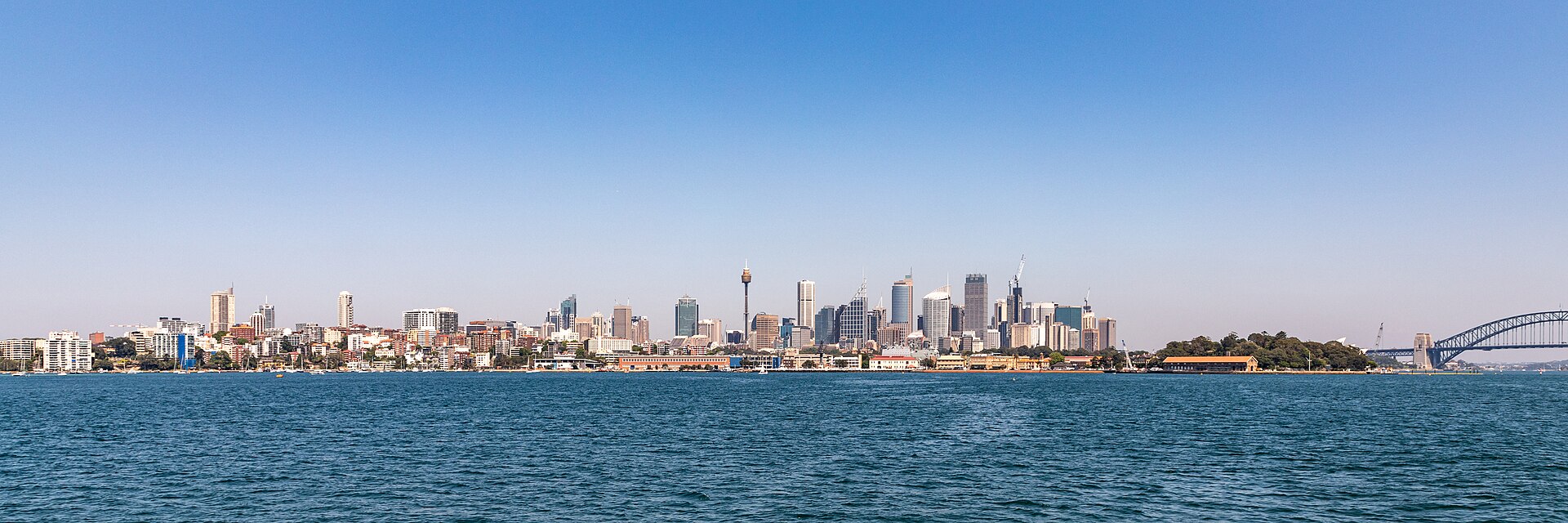
Real estate listing platforms operating in Sydney are facing growing pressure to root out duplicate and manipulated property images, with consumer advocates, industry bodies and state government officials all calling for clearer standards as the city's housing crisis makes every misleading photo count. The issue has moved from fringe complaint to mainstream concern in 2026, as rental vacancy rates in Greater Sydney have remained historically tight and prospective tenants report spending hours chasing listings that turn out to bear little resemblance to the actual property.
The timing matters because Sydney is not a market where renters have time to waste. Domain Group data published earlier this year placed Sydney's median weekly rent for a two-bedroom unit above $700, and suburb-level competition in areas like Marrickville, Parramatta and Hurstville means dozens of applicants often pursue each listing within hours of it going live. A duplicate or doctored image-showing a sun-drenched courtyard that belongs to a different property, or digitally removing a motorway overpass from the background-can send applicants across the city on wasted inspections.
What the Regulators and Industry Bodies Are Saying
NSW Fair Trading, which oversees real estate licensing and advertising standards under the Property and Stock Agents Act 2002, has acknowledged the issue is on its radar. The agency has the power to act on misleading advertising under existing consumer protection law, though industry observers note enforcement against image manipulation has historically been sparse. Consumer advocacy organisation CHOICE has previously called for national minimum disclosure standards in online property advertising, arguing that platform self-regulation has proven insufficient.
The Real Estate Institute of NSW has in recent months been consulting its membership on voluntary image standards, including guidance on when AI-enhanced or digitally altered photography must carry a visible disclosure label. Specific proposals under discussion include mandatory watermarks on any image that has been digitally staged or retouched to alter structural elements of a property. The institute has not yet published a final policy, but the conversation has accelerated alongside rising consumer complaints lodged through the NSW Civil and Administrative Tribunal.
University of Technology Sydney researchers examining digital trust in online marketplaces have pointed to duplicate image detection-where the same photograph appears across multiple listings for supposedly different properties-as a distinct but related problem. Some listings recycle stock images or repurpose photos from a previous tenancy at a different address, giving prospective renters a false read on layout, light and condition. Technology to flag such duplicates already exists in other sectors, including insurance fraud detection, and several researchers argue platforms like REA Group's realestate.com.au and Domain have the technical capacity to implement automated checks.
The Local Stakes in Western Sydney and the Inner Ring
The problem lands hardest in Sydney's highest-churn rental markets. In Blacktown, where the population has grown sharply off the back of new housing estates and the planned Western Sydney Airport corridor, renters describe a market moving faster than any vetting process can keep up with. In Chippendale and Waterloo-inner-city suburbs where older apartment blocks are increasingly listed alongside newer stock-differences in building condition, outlook and natural light are material to rent value, yet images do not always reflect what shows up at inspection.
The NSW government's Rental Commissioner, a role established in 2023 under the Minns Labor government, has the brief to improve standards and protections across the rental market. That office has flagged property advertising integrity as part of a broader review of the Residential Tenancies Act, though no specific legislation targeting image standards has been tabled in parliament as of this month.
For renters navigating this market right now, advocates recommend requesting a video walkthrough before any inspection, cross-checking listing images against the address on Google Street View, and reporting suspected duplicate or misleading images directly to NSW Fair Trading online. If a listing is found to be materially misleading after a tenancy begins, the Tribunal is the avenue for redress-though getting there takes time most tenants feel they don't have.