news
Sydney Real Estate Agents Use Fake Photos to List Properties
Duplicate and digitally altered listing images are flooding Sydney's real estate portals, and the people responsible for policing them are under pressure to act.
How we reported this
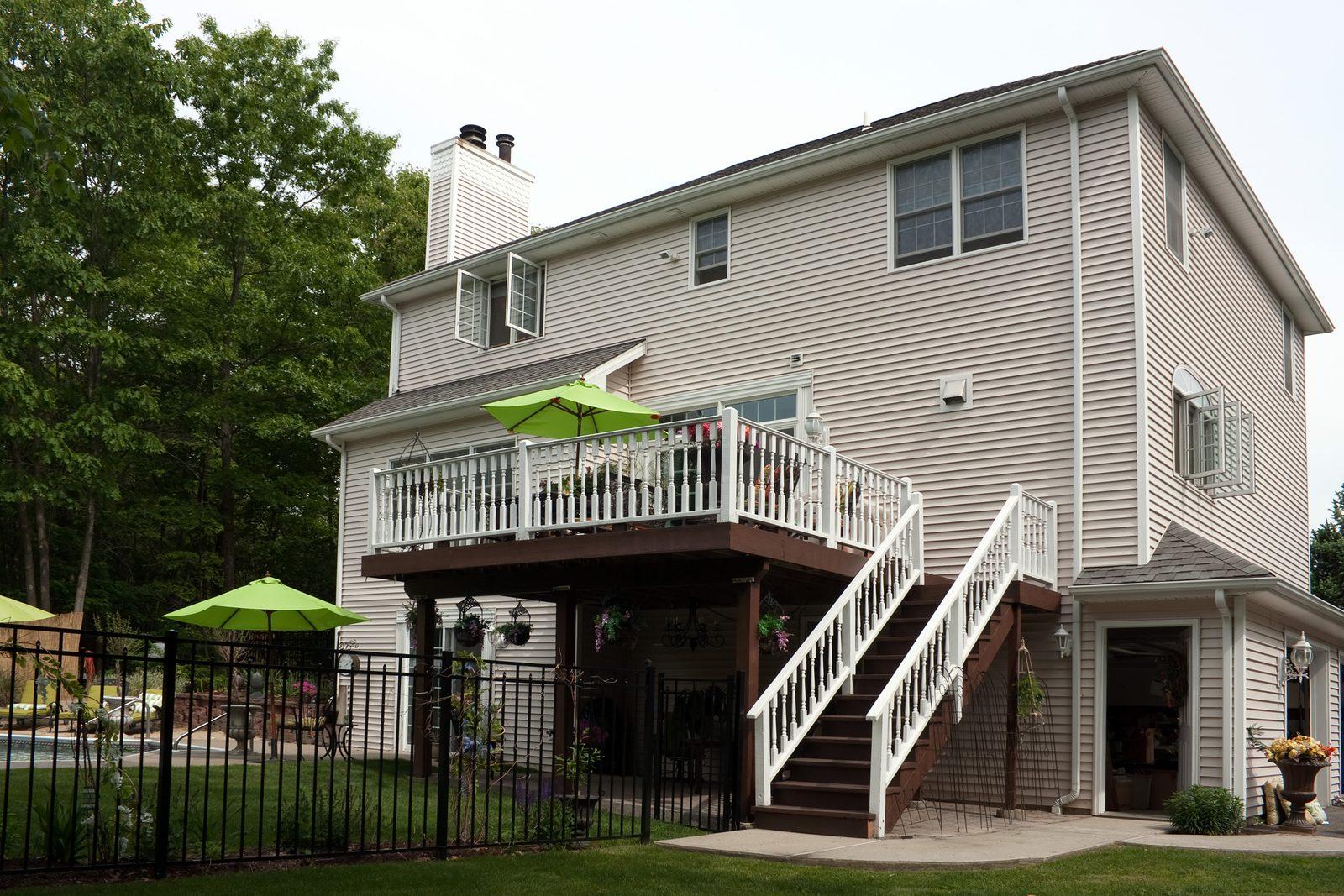
Real estate listings across Sydney are being flagged at an accelerating rate for duplicate and manipulated photography, the same interior shot appearing on Parramatta units, Surry Hills terraces and Blacktown houses simultaneously, and the agencies tasked with oversight are now facing calls to clarify what the rules actually are.
The issue has sharpened this winter partly because of the sheer volume of stock hitting the market. NSW Fair Trading, which handles complaints about misleading real estate advertising under the Property and Stock Agents Act 2002, received a notable uptick in digital advertising complaints during the first half of 2026, according to publicly available departmental data. Industry observers say the problem is structural: listing platforms are not legally required to verify that a photograph actually depicts the property being sold, only that the advertisement is not broadly misleading under consumer law.
What the Platforms and Industry Bodies Are Being Asked to Do
The Real Estate Institute of NSW, based on York Street in the CBD, has fielded questions from members about their obligations when a landlord or vendor supplies stock photography or images from a previous tenancy. The institute's published guidelines state that agents have an ethical obligation to ensure images accurately represent the property, but enforcement is internal and complaint-driven rather than automatic.
Domain and REA Group, which operates realestate.com.au out of its Sydney office at 1 Shelley Street, Barangaroo, both operate content moderation systems, but neither company has publicly disclosed how many duplicate-image flags are raised each month or how quickly they are resolved. A spokesperson for REA Group, contacted by The Daily Sydney, declined to provide figures. Domain did not respond before deadline.
Technology consultants working with property data firms say the core technical fix is not complicated. Reverse image search algorithms, of the kind already used in fraud detection for online retail, can identify duplicate photographs across a database in seconds. The question, repeatedly raised at a Property Council of Australia roundtable held in North Sydney in May, is who pays for the integration and who is liable when a match is missed.
Buyers and Renters Carrying the Risk
For prospective tenants in Sydney's Western suburbs, where median weekly rents for three-bedroom houses in areas like Penrith and Campbelltown exceeded $550 per week as of the March 2026 quarter according to NSW government rental bond data, the stakes of a misleading listing photograph are not abstract. Applicants pay application fees, arrange time off work for inspections and sometimes transfer holding deposits before discovering a kitchen shown in a listing was photographed at a different address entirely.
NSW Fair Trading's current guidance advises consumers who believe they have encountered a misleading listing to lodge a complaint through the agency's online portal, which triggers a formal inquiry that can result in a warning, fine or licence suspension for the responsible agent. However, consumer advocates at the Tenants' Union of NSW, headquartered in Surry Hills, have publicly argued that this reactive model puts the burden of proof on people who are already disadvantaged by a tight rental market. The union has called on NSW Fair Trading to introduce proactive audits of high-volume listings on the two dominant platforms.
The state government has not publicly committed to any regulatory change on this specific issue. A spokesperson for the NSW Minister for Fair Trading confirmed to The Daily Sydney that the matter is under review as part of a broader digital advertising compliance project, without specifying a timeline or scope.
Practically speaking, property lawyers advise buyers and renters to cross-reference listing photographs using a free reverse image search before attending any inspection, to request dated inspection reports and to ask agents in writing to confirm that all images were taken at the advertised address. Agents who cannot or will not confirm this in writing are, under current NSW law, potentially exposed to a finding of misleading conduct. Whether Fair Trading chooses to pursue that exposure more aggressively is the question the industry is watching heading into the spring selling season.