Politics
New Local Government Funding Model Changes Impact Sydney Services
Sydney residents will see altered council budget allocations influencing community services and infrastructure compared to other Australian cities.
How we reported this
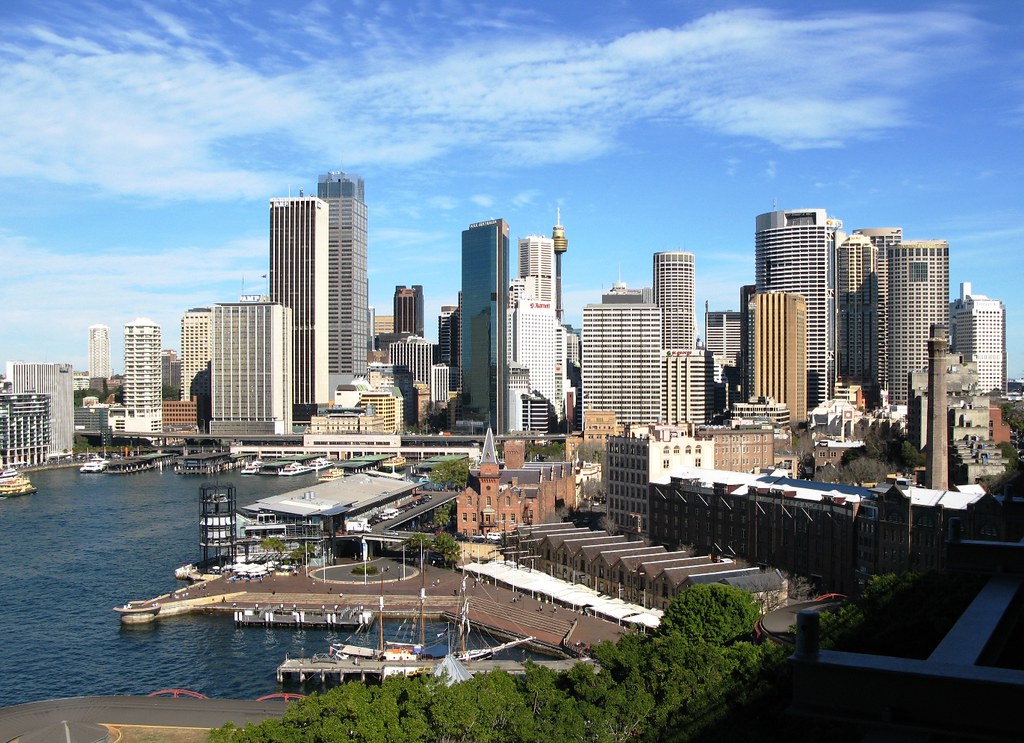
The New South Wales government’s updated local government funding framework, effective from July 1, 2026, introduces new allocations for councils across the state, including the City of Sydney. This policy affects how local councils distribute funds for community services, infrastructure development, and maintenance. Sydney Council, responsible for over 1 million residents, will adjust its budget with a focus on housing, transport, and cultural programs under the new arrangement.
This reform comes amid rising demand for affordable housing and urban infrastructure in key metropolitan areas. With Sydney’s continuing population growth and expanding multicultural communities, the new funding policy aims to rebalance resources more equitably between high-growth cities and regional centres. Local government experts say the timing is crucial as Sydney prepares for upcoming megaprojects such as the Metro West rail line and intensified efforts to manage inner-city housing shortages and community services.
What This Means for Sydney Residents
The City of Sydney will receive a 5.8 per cent increase in its local government grant funding from the state government, compared to an average increase of 4.3 per cent for councils in New South Wales. This additional funding targets improvements in public housing support and infrastructure upgrades in western suburbs like Parramatta and Bankstown, where demand is particularly high. Residents can expect investment in expanded green spaces and upgrades at community centres, including the new hubs planned in culturally diverse areas.
Transport improvements connected to the Metro West project will be partially supported by these funds, with a focus on pedestrian access and local road maintenance to ease congestion. For families, the policy directs funds toward enhancing childcare facilities and youth programs, responding to community feedback recorded in the state’s 2025 Local Government Needs Assessment. The government says these investments will help reduce service gaps currently experienced by fast-growing northern and western Sydney suburbs.
Comparing Sydney with Other Australian Cities
Compared to Melbourne and Brisbane, Sydney’s local government funding increase is modest but strategically focused. Melbourne councils receive an average 7.2 per cent boost, largely directed at expanding affordable housing projects in outer suburbs. Brisbane’s funding rose by 6.5 per cent, prioritising flood resilience and public transport enhancements. Sydney’s funding increase reflects a balanced approach targeting immediate community service needs and infrastructure tied to statewide priorities, rather than mass new housing development.
Data from the NSW Department of Planning and Environment shows Sydney’s population grew 2.1 per cent in the past year, slightly lower than Melbourne’s 2.5 per cent but above Brisbane’s 1.8 per cent. The state's 2026 Budget Papers allocate $185 million statewide for local government grants, with Sydney receiving $27 million under the new formula, up from $25.5 million the previous year. Policy analysts highlight that while the funding growth is competitive, Sydney’s larger population means per capita increases remain below national averages.
The City of Sydney’s official budget documents for 2026-27 detail that 55 per cent of the increased funds will support social infrastructure, including community health and multicultural programs. The remainder is dedicated to infrastructure that complements the state’s Metro West and WestConnex projects, such as road upgrades and improved public amenity.
Looking ahead, the NSW government expects the new funding model to be reviewed after three years, during which Sydney council will report biannually on expenditure outcomes and community impact. Local advocates stress the importance of transparency in ensuring the funds address the pressing needs of Sydney’s diverse communities. Meanwhile, the council has committed to community consultation sessions through 2026 to prioritise projects that align closely with resident feedback.