Politics
Sydney councils face new accountability rules under state merger reforms
Stricter financial oversight and mandatory service standards will reshape how local governments operate across Sydney's 15 councils, affecting everything from pothole repairs to planning decisions.
How we reported this
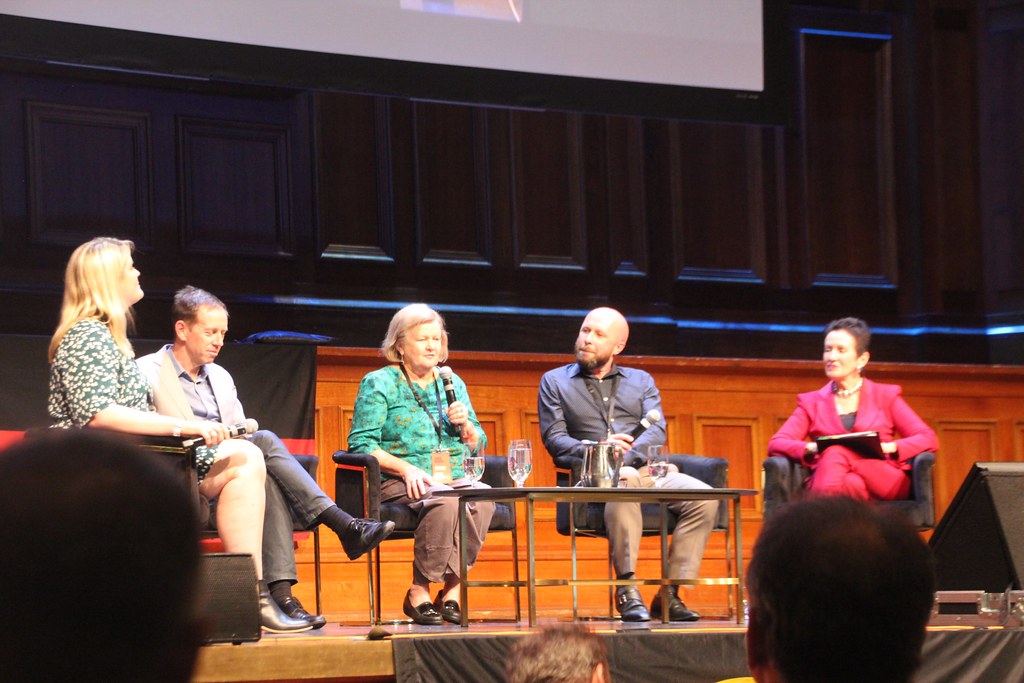
Local government in Sydney is about to change. The NSW state government has introduced new accountability measures that will force councils to publish detailed performance data, face tighter financial audits, and meet standardised service delivery targets. The changes affect all 15 councils operating across Greater Sydney, from Sutherland to Penrith, and will flow through to ratepayers and residents within months.
The timing matters. Sydney councils are already stretched thin managing infrastructure backlogs, managing population growth in Western Sydney suburbs, and dealing with rising costs for services like waste collection and road maintenance. The Local Government Reform Bill, passed in June, creates a new compliance framework that councils must adopt by September 2026. Councils that fail to meet benchmarks risk intervention from the state government, including potential forced mergers or administration.
What residents need to know
For Sydney residents, the practical effect is twofold. First, councils will need to be more transparent about how they spend ratepayer money. The legislation requires councils to publish quarterly reports on service delivery metrics: road condition ratings, library opening hours, waste collection timeliness, and development application processing times. Inner Sydney councils like Marrickville or Randwick will need to publish how long it takes to issue building approvals. Western Sydney councils including Campbelltown and Parramatta must report on local park maintenance standards and swimming pool operating hours.
Second, councils have a 12-month window to restructure their budgets to meet state-set service minimums. This means councils cannot simply cut services to balance books. A small council like Mosman, which covers about 30 square kilometres, will need to maintain a minimum bin collection frequency and footpath inspection schedule set by the state. Larger councils like Canterbury-Bankstown, which services over 330,000 residents across 37 suburbs, face similar requirements scaled to population.
The money and the mechanics
The Local Government Financial Health Index, a new reporting tool councils must use, will benchmark performance against comparable councils statewide. Specific metrics include rate collection efficiency (what percentage of levied rates councils actually collect), the ratio of operating expenditure to general revenue, and asset maintenance funding as a percentage of total budget. Councils currently sitting below 75 per cent on rate collection-like some regional councils with high vacancy or economic decline-will face pressure to improve collection methods or seek state assistance.
Budget pressures are real. The NSW Productivity Commission found in its 2024 local government capacity review that 40 per cent of councils across the state carry significant infrastructure maintenance backlogs. In Sydney, councils like Campbelltown and Penrith have deferred road resurfacing programs and bridge repairs to manage escalating utility costs. The new rules mean deferral strategies become visible and measurable, placing political pressure on councils to find funding solutions.
Staff numbers may shift. Councils expect to hire additional finance and compliance officers to meet reporting requirements, though savings may come from consolidating back-office functions across councils. A shared services arrangement between Waverley and Woollahra councils, announced last year, now has a template councils can follow under state guidance.
The state government says the framework is expected to improve service quality and give residents clearer information about where council money goes. Councils have until 30 September to submit their compliance plans to the Department of Local Government. The first quarterly performance reports are due in December 2026. For Sydney residents paying council rates, the change means more public scrutiny of local spending and clearer accountability if a pothole stays unfixed or a planning application languishes-but it also means councils have less flexibility to manage tight budgets or respond to local priorities in the short term.