property
Sydney’s Property Market Splits: House Prices Surge Further Ahead of Units
Gap between house and unit prices grows, raising fresh challenges for buyers and sellers in key Sydney suburbs.
How we reported this
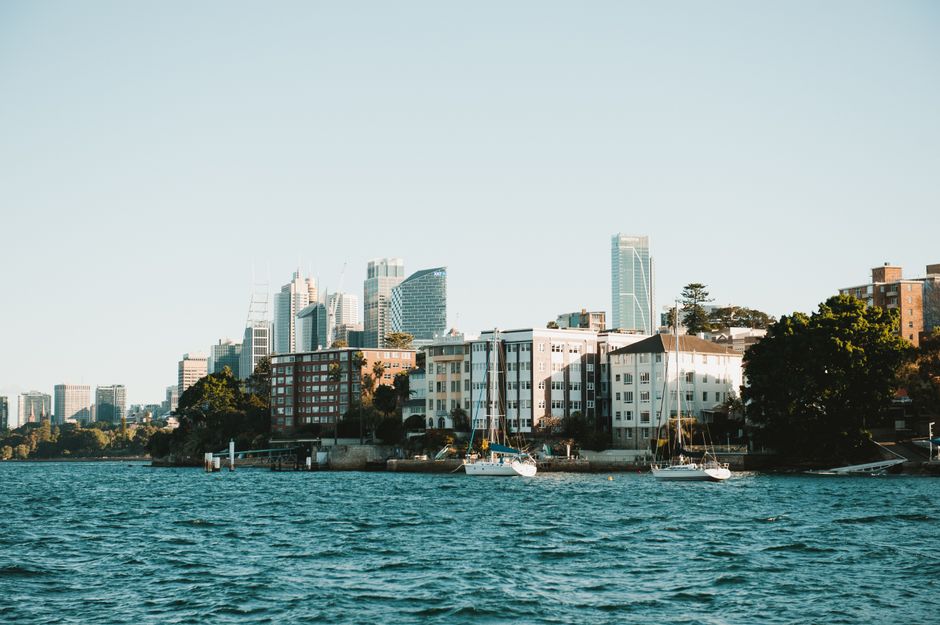
House prices in Sydney’s most sought-after postcodes have surged even further ahead of units, with new mid-year figures revealing a record price divergence across the city. The CoreLogic Home Value Index for June shows the median detached house in Sydney now costs $1.79 million, while the median unit sits at $838,600-a gap of more than $950,000, the widest spread ever recorded by the agency.
What’s Driving the Widening Gap?
The growing gulf between houses and units matters because it’s reshaping options for both buyers and sellers as markets stabilise. With credit tightening, continued strong overseas migration, and extremely limited free-standing home supply in suburbs like Leichhardt and Mosman, the old assumption that units would "catch up" to houses is failing to materialise. For first-home buyers or upscaling families, this divergence sharpens choices and underscores the importance of location and property type.
In Drummoyne, house prices have risen by an average of 9.2% over the past 12 months, according to Raine & Horne’s local sales data, while units edged up just 2.4%. Meanwhile, in Manly, the median house price now sits just above $3.5 million, compared to $1.45 million for units, according to Domain’s June 2026 report. Pressure is especially acute in the Inner West and along the Northern Beaches, where detached homes in family-friendly streets like Trafalgar Street (Annandale) or Pine Street (Manly) are consistently attracting multiple bidders at auction, even as clearance rates citywide hover between 65% and 72%.
Numbers Reveal a Two-Speed Market
New analysis from SQM Research released on July 2 confirms the stark divide. Sydney house prices have climbed 6.9% in the past year, despite a softer start to winter and the usual slowing of auction activity. Unit values, by contrast, are up just 1.8% and have plateaued in several pockets including Parramatta and Zetland. At a citywide level, the median asking price for a house is more than double that of a unit, marking the largest annual divergence since the mid-2000s housing boom.
CoreLogic’s head of research said the driver is, in part, buyer preference for land and space as families prioritise backyards and proximity to parks such as Callan Park or Balmoral Beach-qualities difficult to find in most unit stock. Domain is also tracking a drop in new house listings, especially in areas traditionally owned by older households, like Hunters Hill, further straining supply.
While apartment supply is higher-particularly in high-density development zones such as Waterloo and Wentworth Point-affordability alone hasn’t closed the gap. Local buyers wary of building quality, hefty strata fees, and a glut of investor-owned stock are treading cautiously, even as the city’s population swells. The unit market may also feel the effect of caps on short-term rentals recently introduced by City of Sydney Council in response to housing pressure.
The Outlook: Opportunities and Cautions
For would-be buyers, the current divergence offers both risk and opportunity. Agents across the Eastern Suburbs report that freestanding homes in even modest streets-from Sydenham to Maroubra-now command competitive offers well above guide prices. The best-performing units are those with unique features or heritage appeal, such as Art Deco apartments on Macleay Street in Potts Point.
Property economists say buyers looking for value may find it in older, boutique unit blocks in established suburbs, especially with rental yields in some pockets exceeding 4%. For vendors, now is a strategic time to consider selling well-located houses, especially before any further interest rate hikes or a possible economic slowdown in spring.
Ultimately, the house-unit price gap is unlikely to close soon, given entrenched supply constraints and population growth in Greater Sydney. For both sides of the ledger, carefully weighing up lifestyle priorities, future infrastructure (such as Metro West openings in 2027), and local school catchments will be crucial in making the right move this winter and beyond.
This article is general information only and is not personal financial or investment advice. Consider your own circumstances and seek licensed professional advice before making financial decisions.
References Sourced but Not Limited to:
- realestate.com.au · Staggering property empires of famous shrek stars
- realestate.com.au · Confidence has been lost melbourne sellers ditch auctions
- realestate.com.au · Inside batman stars multimilliondollar property deals
- realestate.com.au · Plans approved to transform historic shafston house into luxury global...