property
Sydney Vendors Accept Early Offers, Bypass Auctions Entirely
Pre-auction sales are quietly reshaping Sydney's winter market, with vendors trading the drama of auction day for the certainty of a signed contract.
How we reported this
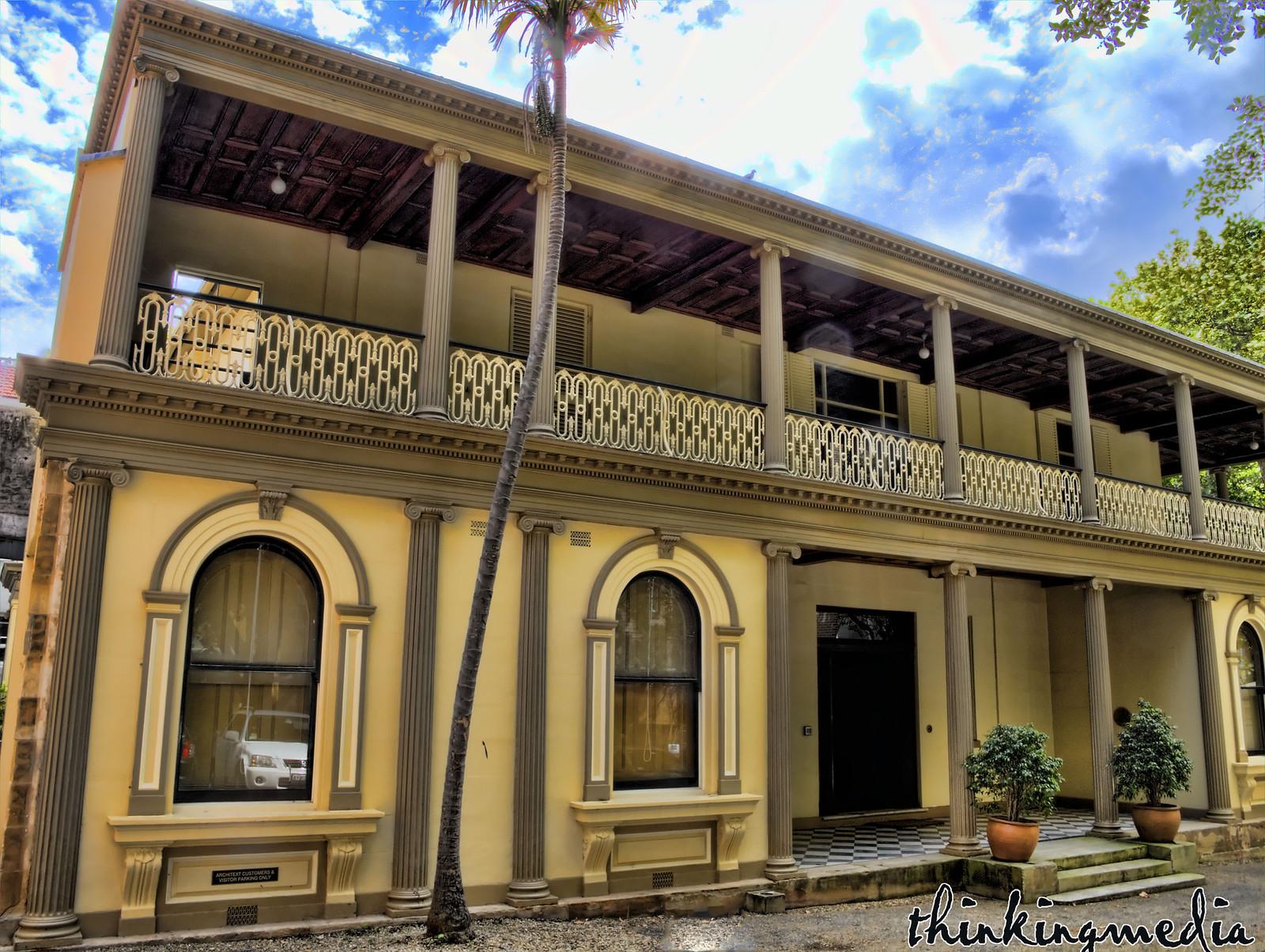
A growing share of Sydney properties listed for auction are selling before they ever reach the auctioneer's rostrum, and the reasons vendors are accepting early offers reveal as much about market psychology as they do about price.
Across the inner ring and northern suburbs, agents have reported a steady uptick in pre-auction sales through June and into early July 2026, a period when Sydney's clearance rates have been tracking between 65 and 72 per cent. That's a functional market, not a boom, not a bust, and that middle ground is precisely where vendor anxiety breeds. When a strong offer lands in week two of a four-week campaign, the calculation changes fast.
Why Certainty Beats the Spectacle
The logic is straightforward. A vendor in Balmain listing a semi-detached terrace at a price guide of $1.85 million faces a real risk on auction day: two registered bidders instead of five, a cold July morning on a Darling Street footpath, and a passed-in result that immediately reframes the property as unwanted. A pre-auction offer at $1.87 million, unconditional, 10 per cent deposit, 42-day settlement, removes all of that. Many vendors are taking it.
The Inner West has been a particular hotspot for pre-auction activity. Suburbs such as Marrickville, Dulwich Hill and Petersham have seen competitive buyer pools chasing limited stock, which means genuine buyers are motivated to act before auction day removes their ability to negotiate. A buyer who missed out on three previous properties at auction is likely to come in hard and early on the fourth. Vendors read that desperation correctly.
On the Northern Beaches, the same dynamic plays out with higher price tags. Properties in Manly, Freshwater and Curl Curl have been attracting pre-auction offers well above the $2 million mark, according to campaign data circulating among agencies including McGrath and Ray White. Vendors in those markets are often owner-occupiers who have already bought elsewhere and need certainty of settlement timing, a pre-auction deal lets them lock in a date.
The Numbers Behind the Decision
Sydney's median house price sits around $1.4 million across greater metropolitan Sydney, but inner-ring and coastal suburbs routinely clear $400,000 to $700,000 above that benchmark. At those price points, the dollar gap between a strong pre-auction offer and a hypothetical auction result is real money, but so is the risk of an unconditional pass-in. NSW stamp duty on a $2.1 million property runs to roughly $99,000, which means buyers are already stretched; they're not going to overbid at auction just to prove a point.
Domain and PropTrack data for the June 2026 quarter showed Sydney's auction volumes easing compared with the same period in 2025, a reflection of tighter listings rather than weakened demand. Fewer properties going to auction means individual campaigns carry more weight, and vendors are less willing to gamble on a single Saturday when the pipeline of comparable homes is thin.
Real estate agents operating across the Canterbury-Bankstown corridor and in the lower North Shore suburbs such as Cremorne and Neutral Bay have noted that vendors most likely to accept pre-auction offers share a common profile: they have already purchased their next home, they have a specific settlement deadline, or they have watched a neighbour's property stall at auction in recent weeks and want to avoid the same outcome.
For buyers navigating this environment, the practical implication is clear. Waiting for auction day on a property you genuinely want is a higher-risk strategy in winter 2026 than it was twelve months ago. Pre-auction offers need to be unconditional or near-unconditional to be taken seriously, vendors accepting early aren't doing so for a discount, they're doing it for the absence of conditions and the presence of certainty. Coming in with a building-and-pest clause attached to an offer three days before auction is unlikely to move a motivated vendor.
Agents advise buyers to have finance formally approved before making a pre-auction approach, and to engage a conveyancer early so the contract can be reviewed and exchanged within 24 to 48 hours of an offer being accepted. In a market where the window between offer and vendor counter-offer can close within an afternoon, preparation is the difference between securing the property and watching it sell to someone else.
This article is general information only and is not personal financial or investment advice. Consider your own circumstances and seek licensed professional advice before making financial decisions.
References Sourced but Not Limited to:
- realestate.com.au · Watsonia couple swap home for life on road after 916000 auction win
- realestate.com.au · Melbourne auctions plunge to worst start to winter on record
- voyagefinancial.com.au · Auction clearance rates below 50 what it means for buyers
- firstnationalbowral.com.au · Property market update june 2026
- jmdmortgages.com.au · Sydney auction season clearance rate 2026