property
Winter's Quiet Gives Way: What Sydney's Auction History Says About the Spring Surge Coming
Clearance rates are holding steady through July's cold snap, but the real estate calendar is about to flip, and buyers sitting on the sidelines may not like what they find in September.
How we reported this
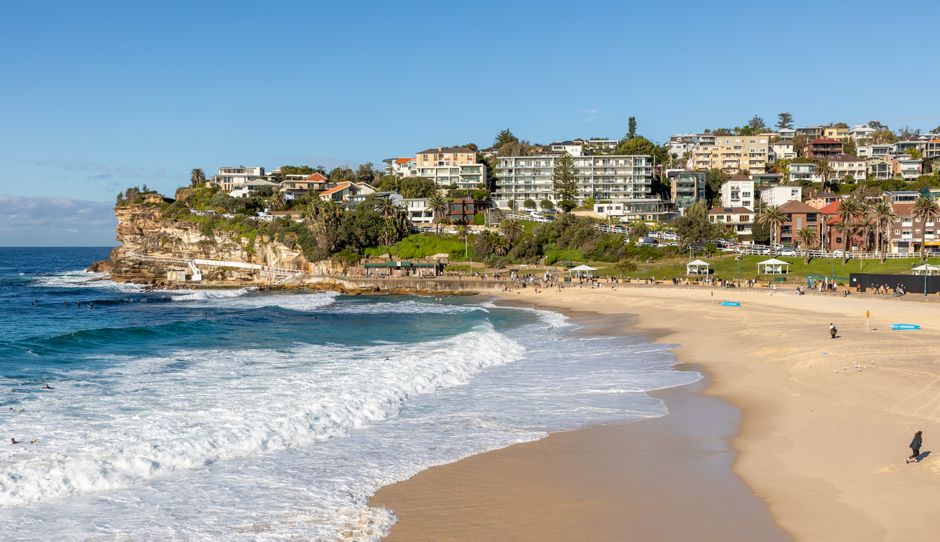
Sydney's auction market is doing what it always does in the dead of winter: breathing slowly. Clearance rates across greater Sydney have been tracking between 65 and 72 per cent over recent weeks, a respectable number that masks a more revealing truth, the volume of properties going under the hammer right now is roughly half what it will be by late September. That seasonal compression shapes everything from reserve prices to buyer nerves, and 2026 looks set to follow the pattern almost exactly.
The reason this matters heading into July is that Melbourne's auction market has already recorded its weakest start to winter in years, according to recent reporting from realestate.com.au. Sydney hasn't fallen off that cliff, but the directional pressure is the same: vendors who can wait, are waiting. The result is a market where a handful of properties in Leichhardt or Cremorne attract six or seven registered bidders at a time, because there simply isn't enough stock to spread the demand thin.
The Volume Gap Between July and October Is Stark
Historically, Sydney's auction volumes in June and July run at around 350 to 500 scheduled auctions per weekend across the metropolitan area. By the last weekend of October, traditionally the peak of the spring selling season, that figure routinely climbs above 900 and has in some years pushed past 1,100. That is not a slight seasonal fluctuation. It is a structural doubling of supply that reshapes the competitive dynamics for every buyer in the market.
The Inner West and the Northern Beaches are where this contrast plays out most visibly. Through winter, a Saturday auction at, say, a terrace on Norton Street, Leichhardt, or a four-bedroom house in Narrabeen draws tight competition precisely because comparable properties aren't going to auction next door the same afternoon. Come October, a buyer who missed out in July may suddenly find three or four similar homes on the market within a square kilometre on the same weekend, and clearance rates, historically, dip a few percentage points as a result of that supply injection, even as raw transaction numbers climb sharply.
Ray White, one of the major auction houses operating across Sydney's inner ring, typically releases Saturday volume data showing this seasonal curve clearly in its weekly reports. The Real Estate Institute of NSW also tracks the quarterly rhythm, and its figures have consistently shown the September-October window as Sydney's highest-volume auction period by a considerable margin. The NSW median sits around $1.4 million as of mid-2026, and that figure tends to firm through the scarce-stock winter months before easing fractionally as spring supply arrives.
What the Calendar Means for Buyers Acting Now
For buyers, the tactical question is whether to compete now in a thin winter market or wait for the choice that spring brings. Neither answer is clean. Buying in winter means facing fewer comparable sales to anchor your ceiling, and in suburbs like Balmain or Mosman, reserve prices can run hot when agents know bidders have nowhere else to be that afternoon. Waiting until October means more choice but also more competition from buyers who spent winter losing at auction and arriving at spring with renewed urgency and, in some cases, revised, upward, budgets.
Vendors, meanwhile, are being advised by most of Sydney's established agencies that a late-August or early-September campaign launch captures the best of both worlds: the psychological lift of spring, without the full noise of a saturated October market. Properties in Surry Hills and Paddington have been particularly well-suited to this window in recent years, given the depth of buyer demand from professional couples and downsizers who tend to act early in the season rather than wait for the frenzy.
The broader signal from 2026's winter market is that underlying demand in Sydney hasn't cracked. Strong migration-driven population growth continues to put pressure on inner-ring stock. Families who deferred decisions through the rate uncertainty of 2024 and 2025 are back, and they are registered to bid. When volumes double in spring, that demand won't evaporate, it will simply have more properties to chase. Whether the clearance rate holds above 68 per cent through October will tell the story of the year.
This article is general information only and is not personal financial or investment advice. Consider your own circumstances and seek licensed professional advice before making financial decisions.