property
Sydney's Rental Vacancy Rate Has Collapsed, And Renters Are Losing Ground Fast
With vacancy rates hovering near historic lows across inner Sydney, prospective tenants are bidding against dozens of rivals for a single apartment while the dream of buying stays just out of reach.
How we reported this
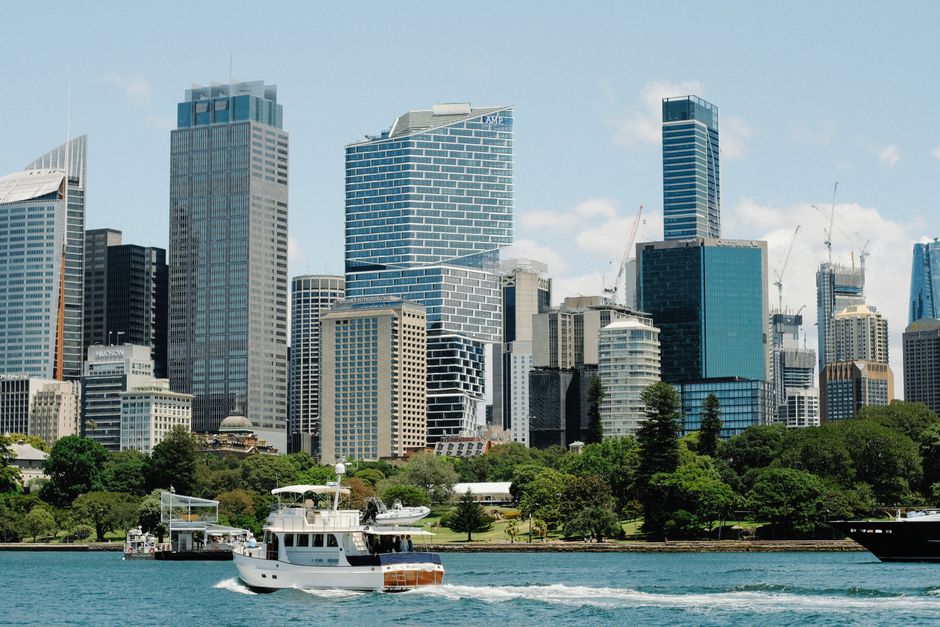
Finding a rental in Sydney right now involves queuing on a Saturday morning outside a Newtown terrace with 40 strangers, submitting a portfolio thicker than a mortgage application, and still getting knocked back. That is not an exaggeration, it is the reported experience of renters across the inner ring, where advertised vacancy rates have sat stubbornly below 1.5 per cent for most of 2025 and into mid-2026, according to data tracked by SQM Research.
The vacancy crunch matters now because it is tightening exactly when affordability pressures are already extreme. NSW's median dwelling price sits around $1.4 million, placing outright purchase beyond reach for a wide band of middle-income households. For those people, renting is not a lifestyle choice, it is the only option. And the rental market is offering them very little room to move.
Where the Pressure Is Sharpest
The squeeze is most acute in the Inner West and on the Northern Beaches, two corridors that have absorbed significant migration-driven demand since 2023. Suburb-level data from the Real Estate Institute of NSW has consistently flagged Glebe, Erskineville and Marrickville as flashpoints, where two-bedroom rents have climbed toward $800 per week, territory that would have seemed implausible five years ago. On the Northern Beaches, Manly and Dee Why are seeing similar dynamics, driven partly by remote workers willing to pay a premium to stay near the coast while still commuting to the CBD two or three days a week.
The NSW Government's Housing and Infrastructure Roadmap, announced in late 2024, includes rezoning targets around train stations under the Transport Oriented Development program, with sites near Sydenham and Bankstown among those earmarked for higher-density residential supply. Whether that pipeline materialises fast enough to ease pressure on existing stock is a separate question, but it signals that planners have at least acknowledged the mismatch between population and dwellings.
Nonprofit housing provider Compass Housing Services, which operates across Greater Sydney, has flagged that its waitlists for affordable rental properties have grown substantially over the past 18 months. Community housing registers managed through the NSW Land and Housing Corporation tell a similar story. The private market is absorbing demand that in previous cycles would have been partly met by the social housing system.
Why Buying Isn't the Easy Escape Route Either
The obvious question is: if renting is so painful, why not buy? The arithmetic gives a blunt answer. A borrower purchasing a median-priced Sydney home at $1.4 million with a 20 per cent deposit needs $280,000 upfront, plus stamp duty of roughly $54,000 under current NSW government schedules, before a single mortgage repayment is made. On a 30-year principal-and-interest loan at prevailing rates, monthly repayments on the remaining $1.12 million sit above $6,000. Most renters currently paying $700 a week simply cannot bridge that gap, even acknowledging that the NSW First Home Buyer Assistance Scheme offers stamp duty concessions on properties below $1 million.
That threshold, $1 million, is the rub. In the suburbs where competition for rentals is fiercest, sub-$1 million purchases are rare. A buyer priced into Campbelltown or Penrith to stay within assistance scheme limits faces a commute into the CBD that can exceed 90 minutes each way. Gen Z buyers, many of whom are currently renting in the inner suburbs, appear acutely aware of this dilemma, with survey data suggesting strong aspiration for ownership but recognition that the entry timeline has stretched well beyond what previous generations experienced.
For renters navigating the market right now, agents working the Inner West are advising applicants to have all documentation, identification, payslips, rental history, pre-assembled before attending any inspection. Applying on the day of the first viewing, rather than waiting, has become standard practice. Tenants willing to offer a slightly longer fixed term, say, 18 months rather than 12, are reporting better success rates in competitive situations. None of these are structural solutions. They are coping strategies for a market where the underlying supply problem will take years, not months, to resolve.
This article is general information only and is not personal financial or investment advice. Consider your own circumstances and seek licensed professional advice before making financial decisions.