property
Sydney Councils Tighten Density Rules as Apartment Design Debate Heats Up
Planning reforms rippling through inner-ring suburbs are forcing developers to rethink height, setbacks and street presence on some of Sydney's most coveted corridors.
How we reported this
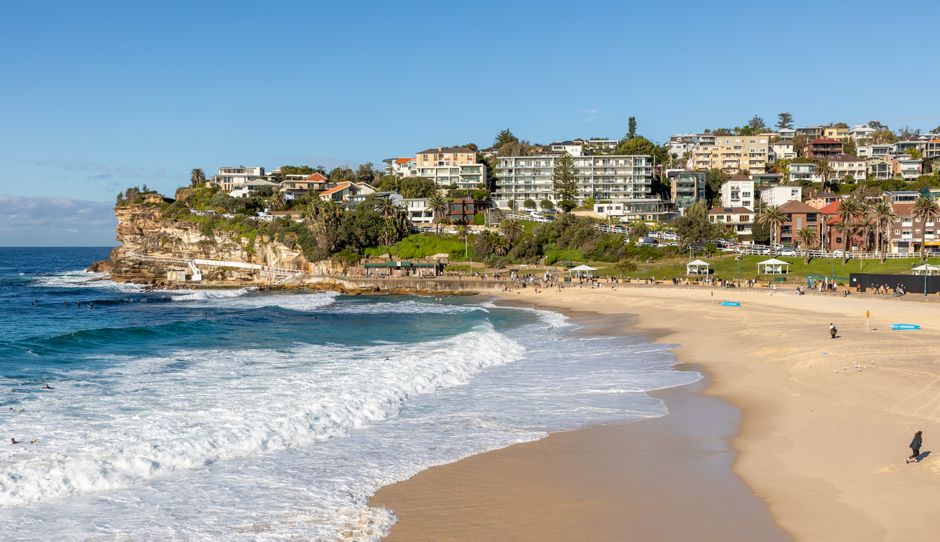
A new wave of local planning controls is reshaping what gets built, and what doesn't, across Sydney's inner suburbs, with several councils moving to cap building heights, tighten floor-space ratios and impose stricter design review requirements on medium and high-density projects. The changes, which affect development applications lodged from mid-2026, are already stalling project timelines and, in some cases, sending developers back to the drawing board entirely.
The timing matters. Sydney's median house price sits around $1.4 million, and first-home buyers and downsizers alike have been banking on a pipeline of new apartments, particularly in the inner west and along the northern beaches corridor, to offer a more affordable entry point. If that pipeline tightens further, pressure on existing stock intensifies, and clearance rates that have held between 65 and 72 per cent this winter could push higher on the strength of constrained supply rather than surging demand.
Where the Changes Are Biting
Inner West Council has been among the most active. Planning officers have flagged revised controls for high-density precincts around Marrickville Road and Illawarra Road in Marrickville, requiring taller buildings to incorporate active street frontages, cafes, retail or communal lobby spaces, at ground level rather than blank podium walls. Projects on narrow lots below 600 square metres in those precincts now face additional design panel scrutiny before a DA can progress. Similar requirements are being applied to parts of Sydenham, which sits at the southern edge of the Sydenham to Bankstown Urban Renewal Corridor managed under Transport for NSW's rezoning framework.
On the northern side of the harbour, Northern Beaches Council is reviewing height controls along Pittwater Road in Brookvale, where a cluster of mixed-use rezonings approved in 2023 generated a surge of DA lodgements for six and eight-storey buildings. Council planners have raised concerns about solar access to neighbouring low-density streets, and at least two applications, for sites on Sydenham Street and near the Brookvale aquatic centre, are understood to have been deferred pending updated shadow diagrams. Council has not publicly confirmed individual case details, but its planning committee agenda from June 2026 records a general pause on several Brookvale precincts pending a design review.
The NSW Government's Low and Mid Rise Housing Policy, which took effect in phases from late 2024, added another layer of complexity. That policy allows dual occupancies, terraces and low-rise apartments within 400 metres of town centre zones across the state, overriding some local controls. Several councils, including Canterbury-Bankstown, lodged formal objections arguing the state override conflicted with their own adopted local environment plans. The tension between state housing targets and local character concerns is now a live issue at the Land and Environment Court, with multiple matters listed for hearing in the second half of 2026.
What This Means for Buyers and Builders
Developers active in the inner west say the new design requirements add between four and eight weeks to pre-DA consultation, and in some cases require engagement with the Sydney Design Review Panel, a state government body that assesses significant proposals against the Apartment Design Guide, before lodgement. That panel typically meets every three to four weeks, so a single round of feedback can push a project's start date back by two months or more.
For buyers watching off-the-plan stock, the practical consequence is fewer new projects launching before Christmas 2026. Agents working the Newtown to St Peters corridor report that several developer clients have shelved or delayed projects rather than absorb redesign costs in a construction market where per-square-metre build costs remain historically elevated.
The watchpoint for the second half of the year is how many councils finalise their updated local environment plans before the state government's next tranche of housing targets lands. Those targets, flagged under the NSW Housing Accord framework, are expected to allocate specific dwelling numbers to individual councils by late 2026. Councils that have already tightened controls may find themselves in direct conflict with state-mandated quotas, and that is a fight the Land and Environment Court has consistently resolved in favour of the state.
This article is general information only and is not personal financial or investment advice. Consider your own circumstances and seek licensed professional advice before making financial decisions.