property
Sydney Renters Are Losing the War: Vacancy Rates, Fierce Competition and the Maths That Make Buying Look Better
With rental vacancies sitting near record lows across Sydney's inner suburbs, prospective tenants are discovering that the city's housing squeeze isn't easing, and for some, the sums are finally tilting toward a mortgage.
How we reported this
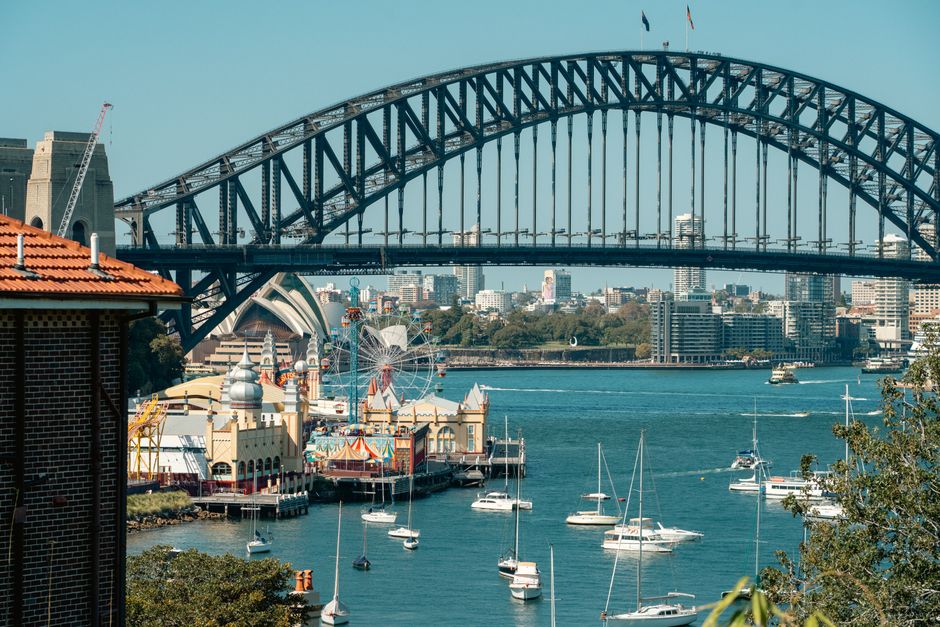
Sydney's rental market has barely blinked in 2026. Vacancy rates across the metropolitan area remain stubbornly low, hovering around 1 percent or below in many inner-ring suburbs, leaving hundreds of applicants chasing each available listing and pushing weekly rents to levels that are forcing a hard conversation: is it cheaper to buy?
The timing matters. The NSW median dwelling price sits around $1.4 million, a figure that still draws gasps at dinner tables from Parramatta to Paddington. But with auction clearance rates holding between 65 and 72 percent most weekends, and a genuine shortage of listings inside the orbital motorways, the market is not collapsing. For renters who have spent three years absorbing double-digit rent increases, the monthly comparison between a mortgage repayment and a lease payment is no longer obviously in renting's favour.
Where the Pressure Is Worst
Glebe and Newtown, the two suburbs that function as the spiritual heart of Sydney's Inner West rental belt, are emblematic of the squeeze. A two-bedroom apartment in Glebe that might have rented for $650 per week in early 2023 is routinely advertised at $850 to $900 per week today. Prospective tenants report turning up to open inspections on Enmore Road and King Street precincts to find 30 or 40 other applicants already in line. The Northern Beaches, particularly Manly and Dee Why, tell a similar story, with sea-change demand from hybrid workers keeping supply thin and landlords holding firm on price.
The Real Estate Institute of NSW tracks vacancy data across Sydney's local government areas, and its figures have consistently shown inner-city vacancy below 1.5 percent through the first half of 2026. At that level, property managers receive multiple applications within 24 hours of listing, and applicants who can't offer references, strong incomes, or both are routinely passed over. The competition isn't just stressful, it's structurally exclusionary for lower-income earners and single-person households.
Migration is a significant driver. Australia returned to near-record net overseas migration figures in the 2024-25 financial year, with Sydney absorbing the largest share. International students re-enrolling at the University of Sydney in Camperdown and UNSW in Kensington have refilled the near-city rental pool that briefly softened during the pandemic years. Add returning expatriates and skilled-visa arrivals, and the demand side of the equation is not going anywhere fast.
The Buy-vs-Rent Calculation Is Shifting
For households earning combined incomes above $180,000, not unusual for dual-income professional couples in their early thirties, the maths is beginning to move. A $900-per-week rental in the Inner West costs roughly $46,800 annually with nothing to show at the end of the year. A mortgage on a $1.1 million apartment in Marrickville or Dulwich Hill, with a 20 percent deposit and a variable rate around 6 percent, produces monthly repayments in a similar ballpark, except the borrower is building equity in a market that, historically, has rewarded patience.
The Federal Government's Help to Buy shared equity scheme, which began accepting applications in late 2024, gives eligible low-to-middle income buyers an equity contribution of up to 40 percent for new homes and 30 percent for existing ones. NSW also runs its own First Home Buyer Assistance Scheme, which waives or reduces stamp duty for eligible purchases below certain thresholds. Neither program solves the deposit problem entirely, but together they have nudged some renters toward mortgage brokers for the first time.
The practical reality for anyone sitting on the fence: start the pre-approval conversation now rather than waiting for conditions to improve. Lenders are processing applications faster since the Reserve Bank's rate moves earlier this year, and stock typically lifts in the September-to-November window after the winter slowdown. Suburbs like Arncliffe, Kogarah, and Wiley Park in the city's south offer price points meaningfully below the Sydney median and remain on most buyers' agents' shortlists for that reason. Renters who delay the decision face another 12 months of competition, and there is no particular reason to believe vacancy rates will recover quickly enough to change the underlying arithmetic.
This article is general information only and is not personal financial or investment advice. Consider your own circumstances and seek licensed professional advice before making financial decisions.