property
Build-to-Rent Is Finally Coming for Sydney Renters, But Read the Fine Print
A wave of purpose-built rental towers is reshaping what tenants can expect from the Sydney market, yet affordability questions linger over who actually benefits.
How we reported this
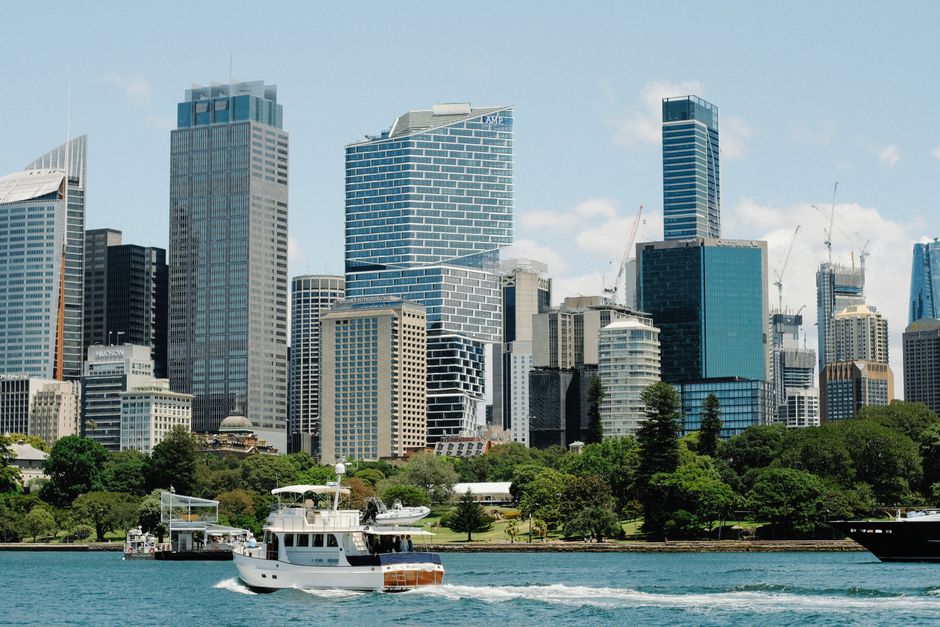
Sydney's rental market has spent years offering tenants a grim set of choices: scramble for a tired investor-owned flat, pay up for a newer build, or leave. Build-to-rent, large residential towers owned and managed by a single institutional landlord, is positioning itself as a third way. Several projects are now either open or under construction across greater Sydney, promising longer leases, professional management and on-site amenities that private landlords rarely bother with.
The timing matters. With the NSW median house price sitting around $1.4 million and the Reserve Bank of Australia having spent the better part of three years adjusting the cash rate, the maths of buying versus renting has rarely been more complicated for ordinary households. Gen Z cohorts in particular are recalculating whether ownership is a realistic near-term goal, or whether securing a stable, high-quality rental is a smarter interim move. Build-to-rent is pitching directly at that calculation.
What Sydney's Pipeline Actually Looks Like
Mirvac's LIV Indigo precinct at Sydney Olympic Park in Homebush Bay is one of the more established local examples, offering apartments with fixed-term leases of up to three years, a structural departure from the standard 12-month rolling arrangement that leaves most renters anxious about renewal season. The complex includes a gym, co-working spaces and a concierge, features that developers argue justify a rent premium over comparable private-market stock nearby.
Further north, Greystar, one of the largest build-to-rent operators globally, has progressed plans for a tower in Redfern, a suburb where the median unit rent has climbed sharply over the past two years as inner-ring supply tightened. Aware Super, one of Australia's largest superannuation funds, has also committed capital to build-to-rent as an asset class, reflecting institutional confidence that the sector can generate stable long-term returns, even if that same institutional logic raises eyebrows among housing advocates who argue the model optimises for yield, not affordability.
The federal government's build-to-rent incentives, including a managed investment trust tax concession that was legislated in 2024, were designed to accelerate this pipeline. NSW has layered on its own planning fast-track provisions for eligible projects. Whether those settings are generous enough to bring rents down to median-income households remains a live argument between developers, the state government and tenant advocacy groups.
Who Can Actually Afford It, and What Tenants Gain
Rents in Sydney's established build-to-rent towers are not cheap. A one-bedroom apartment at LIV Indigo has been advertised at prices that track closely with, and in some configurations above, comparable private-market stock in Homebush Bay. The pitch is not lower rent; it is certainty and quality. Tenants get leases that can't be terminated because the landlord decides to sell. They get maintenance response times that don't depend on a private landlord's willingness to answer a text. They get pet-friendly policies that are still a rarity in the NSW private market.
For a renter weighing a $750,000 deposit requirement to purchase even a modest unit in the Inner West or Northern Beaches, those non-financial benefits can tip the decision. A household earning the Sydney median income that cannot service a mortgage at current rates may rationally choose a well-managed build-to-rent apartment over an uncertain private rental, even at equivalent weekly cost.
Tenant advocates, including those at the Tenants' Union of NSW based in Sydney's CBD, have argued consistently that the sector needs mandatory affordable housing quotas embedded in planning approvals, not voluntary commitments, if it is to serve anything other than the upper end of the rental market. The NSW government's current framework includes affordability provisions for some projects, though the depth and duration of those allocations varies by development.
For prospective tenants, the practical advice is straightforward: treat a build-to-rent inquiry the same way you would a major consumer contract. Ask specifically about rent-increase mechanisms, what happens to your lease if the building is sold, and what the exit conditions look like. The sector's Australian track record is still short, and the answers to those questions will tell you more than the rooftop terrace ever will.
This article is general information only and is not personal financial or investment advice. Consider your own circumstances and seek licensed professional advice before making financial decisions.