property
State Planning Overrides Reshape Sydney's Property Map
The Minns government’s push for higher density around transport hubs is sidelining local councils and creating a new class of property winners and losers across the city.
How we reported this
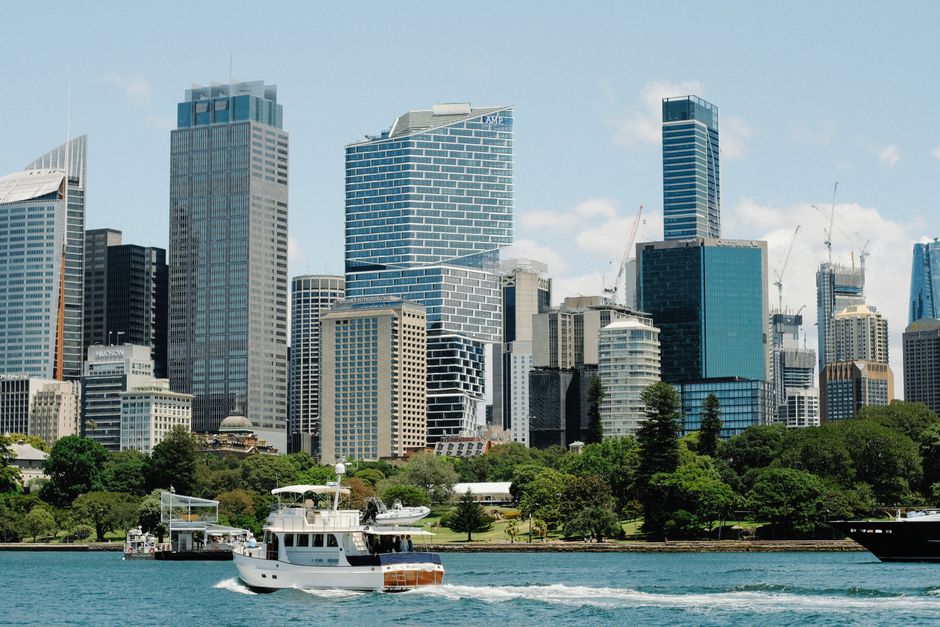
Sweeping planning powers seized by the NSW Government are actively redrawing development potential across 37 Sydney suburbs, directly challenging local council control and setting the stage for a dramatic shift in housing supply. The state's Transport Oriented Development (TOD) program, which mandates high-density housing near key transit stations, is no longer a theoretical policy debate. It is now a market reality, with developers reassessing sites and homeowners waking up to find their quiet streets rezoned for six-storey apartment blocks.
This intervention from Macquarie Street comes as Sydney grapples with a persistent housing crisis. With a median house price stubbornly lodged around $1.4 million and vacancy rates below 1.5% in many areas, the pressure to build more homes has become immense. The government argues that decades of local-level opposition to density have created a supply bottleneck that only state-level action can break, particularly as NSW faces its commitment under the National Housing Accord to deliver 377,000 new homes by 2029.
Councils vs. Macquarie Street
The policy's impact is being felt most acutely in established, low-rise neighbourhoods. In the Inner West, suburbs like Marrickville, Dulwich Hill, and Ashfield are at the epicentre of the changes. Streets traditionally lined with Federation-era bungalows and semi-detached houses within 400 metres of train stations are now zoned for apartment buildings, a move Inner West Council has argued fails to account for already-strained infrastructure. The sentiment is echoed in parts of the Northern Suburbs, where Ku-ring-gai Council has raised concerns about the character of areas around Gordon and Roseville stations also targeted under the TOD program.
Developer interest, however, has surged. Land acquisition specialists are targeting amalgamated sites in these newly designated zones, creating micro-markets where development potential, not current housing stock, dictates value. A two-bedroom cottage in Marrickville that might have fetched $1.7 million last year could now command a significantly higher price if it forms part of a larger block suitable for a multi-unit project approved under the state’s new rules.
The View from the Auction Floor
This top-down planning shift is introducing a new variable into a market already defined by tight supply. While city-wide auction clearance rates have held steady in the mid-60s to low-70s throughout the autumn and early winter of 2026, agents are reporting a split in buyer sentiment. Confidence remains high for properties in premium areas unaffected by the rezoning, such as parts of the Eastern Suburbs or the lower North Shore. But in the designated TOD precincts, a sense of uncertainty prevails among traditional homebuyers, who now face the prospect of living next to major construction sites for years to come.
For homeowners within the rezoning footprints, the situation is complex. The changes represent a potential lottery win, significantly increasing the underlying value of their land. But it also spells the end of their neighbourhoods as they know them. The next test will be how quickly these rezonings translate into approved development applications and actual construction starts. The Department of Planning and Environment has been tasked with accelerating assessments, but the capacity of the building industry to deliver at the scale envisioned remains a significant open question heading into 2027.
This article is general information only and is not personal financial or investment advice. Consider your own circumstances and seek licensed professional advice before making financial decisions.