property
The $2.2 Billion Line That's Turning Remedial Rydalmere Into Sydney's Next Commuter Hotspot
As the Parramatta Light Rail Stage 2 corridor takes shape, buyers are moving early on a suburb that most Sydneysiders couldn't have picked on a map five years ago.
How we reported this
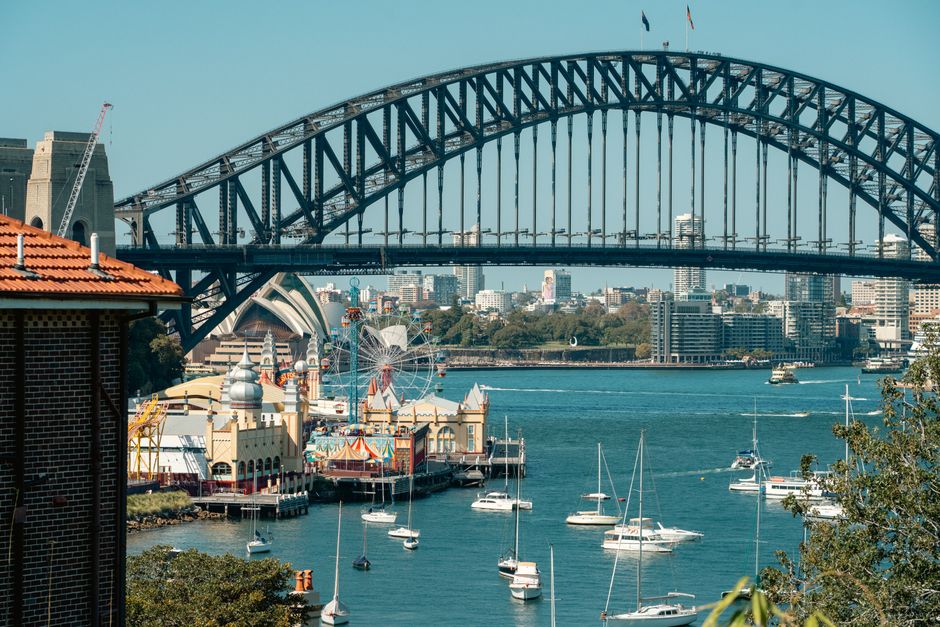
Rydalmere is having a moment. The suburb, wedged between Parramatta and Camellia along the Parramatta River, long overshadowed by its neighbours, is emerging as one of Greater Sydney's more closely watched land markets, driven by the advancing construction of the Parramatta Light Rail Stage 2 corridor and a rezoning push that is quietly rewriting what's possible along Church Street and Wharf Road.
The catalyst is both physical and bureaucratic. The NSW Government's $2.2 billion Stage 2 extension, which connects Parramatta CBD east through Camellia, Rydalmere, and Dundas before looping to Meadowbank and the Shepherd's Bay precinct at Meadowbank, is now in advanced works-planning and corridor preparation. The project is scheduled to begin major civil construction by late 2027, with an opening target in the early 2030s, a timeline that historically, in Sydney, signals a five-to-seven-year window when land values in designated station precincts begin their steepest climb.
Why Rydalmere, Why Now
For most of Sydney's post-war decades, Rydalmere was industrial storage, a TAFE campus, and not much else. The Western Sydney University Parramatta South Campus anchors the suburb's eastern edge, and the Rydalmere TAFE NSW campus on industry-heavy Woodville Road gave the area a student-commuter texture but never the residential density that planners now have in mind.
The Cumberland City Council and the NSW Department of Planning have both flagged the Camellia-Rydalmere corridor as a Priority Precinct, meaning height and density controls along the light rail spine are subject to uplift negotiations that could see six-to-twelve-storey mixed-use towers replace the current patchwork of light industrial lots and 1970s brick walk-ups. Developers including Roberts Co and Frasers Property have been active in nearby Camellia and Wentworth Point, and agents working the Parramatta LGA report growing inquiry from land-banking buyers along Rydalmere's Station Street and Felton Road.
None of that is coincidental. The NSW Government's Transport Oriented Development policy, which requires councils to permit higher-density residential within 400 metres of certain rail and light-rail stations, applies directly to the Stage 2 stops. Rydalmere station, which on the existing heavy-rail T6 line already handles a moderate weekday load, sits effectively at the centre of the future interchange geometry.
What the Numbers Are Already Showing
Sydney's broader market gives this story its urgency. The NSW median house price sits around $1.4 million, but Parramatta LGA data tracked through CoreLogic and Domain's mid-2026 figures suggests the Rydalmere median for houses has been running roughly $200,000 to $250,000 below the Sydney median, a gap that tends to compress sharply once a transport-linked rezoning reaches contract stage. Comparable patterns played out in Sydenham and Marrickville after the Sydney Metro Southwest was confirmed, and in Waterloo after the Metro City & Southwest Waterloo station was locked in.
Clearance rates across greater Parramatta have been tracking between 68 and 71 percent in the June 2026 quarter, broadly in line with Sydney's inner-ring performance. Buyers' agents working the western suburbs corridor say that well-presented three-bedroom homes within 800 metres of the Rydalmere rail station have been clearing above reserve consistently since March.
The apartment story is more complex. Off-the-plan stock in neighbouring Wentworth Point and Meadowbank has faced the same build-cost pressures hitting developers across Sydney, with several projects pausing pre-sales campaigns through early 2026. That has kept new supply constrained at the exact moment demand along the light rail corridor is building.
For buyers watching this space, the practical read is relatively straightforward. The window between a transport project reaching advanced planning and the moment it fully prices into local land values is historically short in Sydney, often two to three years once shovels are pictured in newspaper photographs. Rydalmere is not yet at that point. The light rail Stage 2 design reports are public, the Priority Precinct work is ongoing, and the rezoning outcomes for individual sites won't be settled until at least mid-2027. That ambiguity cuts both ways. Buyers prepared to absorb some planning uncertainty may find the entry point more accessible than it will be once final height controls are gazetted. Those who need certainty before committing will likely be paying the post-announcement premium. Either way, the suburb that most Sydneysiders once associated with the M4 on-ramp is about to get a lot more attention.
This article is general information only and is not personal financial or investment advice. Consider your own circumstances and seek licensed professional advice before making financial decisions.