property
Sydney's Development Boom: What the New Projects Mean for Your Suburb
From Waterloo to Macquarie Park, a wave of approved and under-construction projects is reshaping Sydney's inner and middle rings, and the flow-on effects on prices, amenity and infrastructure are already being felt.
How we reported this
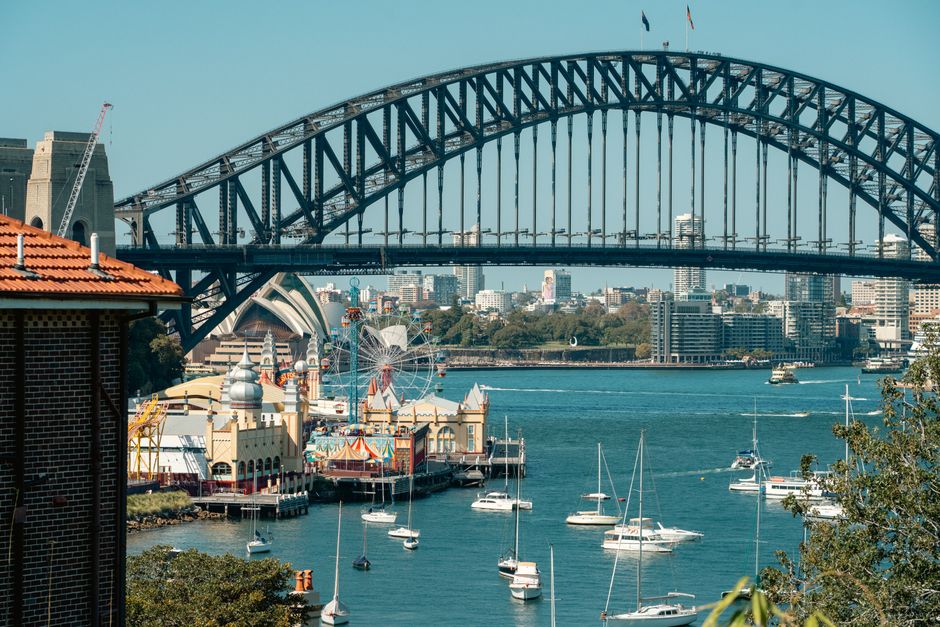
Construction cranes now dot the skyline from Parramatta Road to the Princes Highway corridor, marking the most concentrated burst of residential and mixed-use approvals Sydney has seen since the post-Olympic redevelopment push of the early 2000s. The projects range from 15-storey build-to-rent towers in Macquarie Park to medium-density terraces filling former industrial lots in Marrickville, and local agents, buyers and long-term residents are watching closely to see who benefits and who bears the cost.
The timing matters. NSW's state-significant development pathway, which bypasses standard council assessment for projects above certain thresholds, has accelerated approvals across the metropolitan area since the state government expanded the program's scope in late 2024. Coupled with the broader Transport Oriented Development policy targeting a 15-minute walk radius around key train stations, entire streetscapes in suburbs like Sydenham, Homebush and Gosford-feeder corridors are being quietly but permanently redrawn.
Inner West and Macquarie Park Lead the Pipeline
In Marrickville, several large-format sites along Sydenham Road and Illawarra Road have traded above $10 million per parcel since early 2025, with developers betting on rezoning approvals under the Inner West Council's updated Local Environmental Plan. The suburb's industrial heritage, warehouses and light manufacturing operations that anchored the local economy for decades, is giving way to six- and seven-storey residential buildings with ground-floor retail. Marrickville Metro, the Hume Highway anchor shopping centre, is also the subject of a development application for an over-station residential tower that would add several hundred apartments directly above the existing car park.
Further north, Macquarie Park has emerged as arguably the most active development corridor in metropolitan Sydney. The precinct, bordered by Herring Road and the Lane Cove River, is now subject to multiple concurrent projects from both private developers and the NSW Land and Housing Corporation. The Housing Corporation's own pipeline in the area is part of the broader Housing Acceleration Fund commitments, which the state government announced would deliver thousands of social and affordable dwellings across the metro area through to 2029.
The median dwelling price across Greater Sydney sat at approximately $1.4 million as of the June 2026 quarter, but new-build apartments in growth corridors like Macquarie Park are being marketed from the low $800,000s for a two-bedroom unit, a price point that, while not cheap by any national standard, is drawing first-home buyers priced out of the Inner West's established market. Auction clearance rates across Sydney have been holding in the 65-72 per cent range through the winter season, with supply constraints in the inner ring continuing to underpin vendor confidence despite softer consumer sentiment nationally.
Infrastructure Pressure Is the Central Concern
The development activity is not without friction. Residents near the Sydenham to Bankstown Metro upgrade corridor have raised concerns through Inner West Council submissions about the gap between dwelling construction timelines and the delivery of supporting infrastructure, parks, schools and GP services chief among them. The conversion of former Sydenham Station precinct land, identified in the Greater Sydney Commission's district plans as a strategic centre, was always going to create density; the question locals are asking is whether the sequencing will leave new residents in half-built neighbourhoods waiting years for basic services.
Waterloo Estate, the long-running social housing redevelopment managed jointly by Homes NSW and the City of Sydney Council, continues to progress through its staged delivery. The first residential buildings on the southern portion of the estate have been handed over, with the full masterplan stretching out to the early 2030s. The project remains one of the largest urban renewal undertakings in Sydney's history, and its eventual impact on the surrounding Alexandria and Redfern property markets will be significant.
For buyers watching these corridors, the practical read is straightforward: rezoned land near confirmed transport infrastructure consistently holds value better than fringe greenfield sites, but the short-to-medium term can be disruptive. Independent due diligence, checking council zoning maps, reviewing any site-specific development control plans, and understanding the difference between a development application lodged and one actually approved, remains essential before committing to any purchase within a kilometre of an active construction zone.
This article is general information only and is not personal financial or investment advice. Consider your own circumstances and seek licensed professional advice before making financial decisions.