community
Schools and Education in Sydney: Universities, Schools and Training
A general overview of how Sydney's universities, TAFE colleges, public and non-government schools, and selective options fit together, and how families and students find their way through them.
Listen in English · 4 min
How we reported this
This is a general explainer about the education landscape in Sydney, written to give families, students and newcomers a durable overview rather than current enrolment figures or fees. Specific details such as catchment boundaries, course offerings, intake dates, ranking results and funding arrangements change from year to year, so anyone making a decision should check directly with the relevant school, university, training provider or the New South Wales Department of Education before acting. What follows describes the broad shape of the system and the kinds of choices Sydney residents typically weigh up.
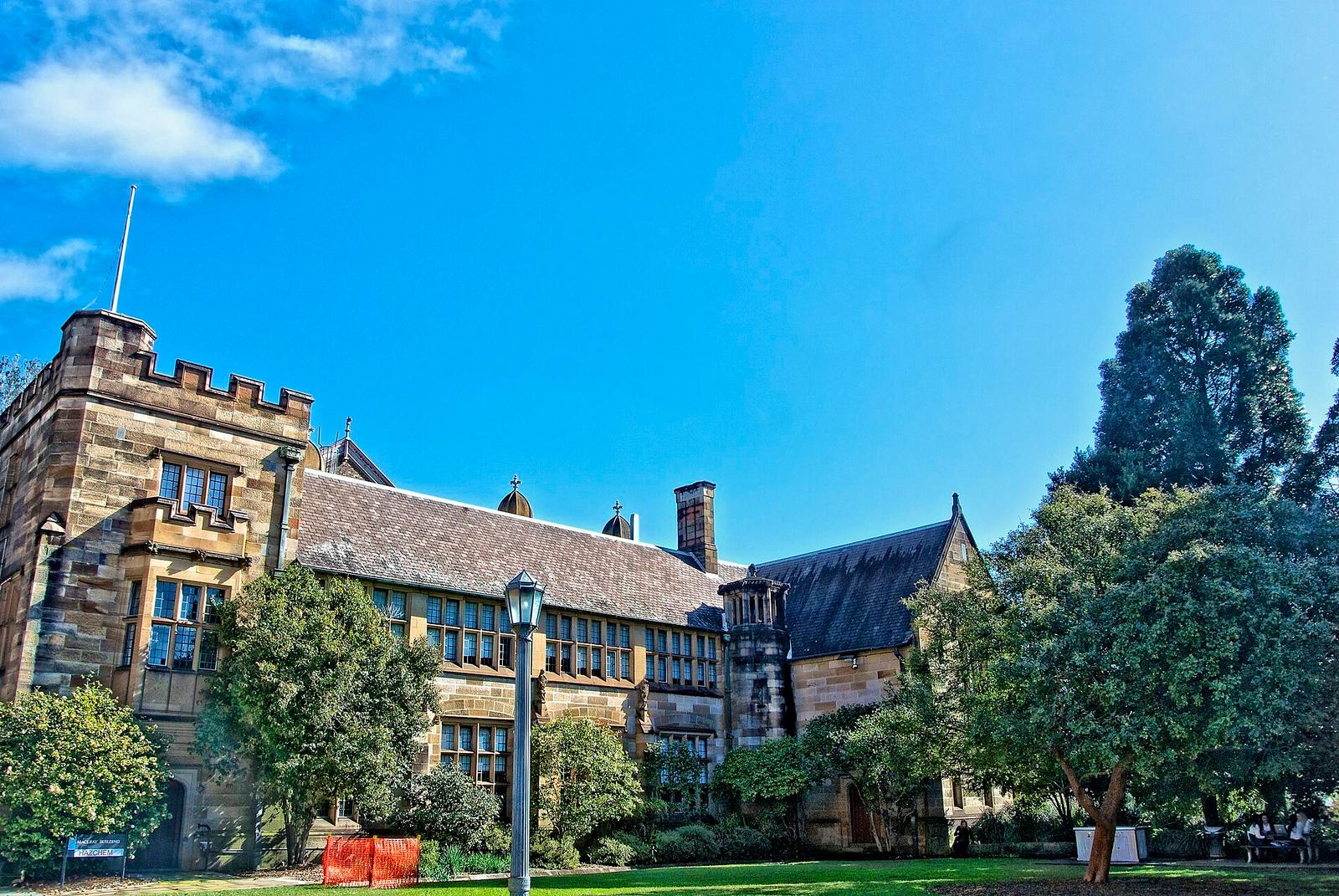
What is most distinctive about Sydney is the sheer density and variety of its higher education sector, which is among the largest in Australia. The city is home to several long-established public universities, including the University of Sydney, one of the country's oldest, along with the University of New South Wales, Macquarie University, the University of Technology Sydney and Western Sydney University, the last of which is built around the fast-growing communities of the city's west. The Australian Catholic University and the University of Notre Dame Australia also maintain Sydney campuses, and several interstate and international institutions run study centres in the city. According to figures published over time by the Australian Bureau of Statistics, Greater Sydney consistently attracts a large share of the nation's international students, which shapes both the campuses and the surrounding suburbs.
Alongside the universities sits a substantial vocational sector. TAFE NSW, the state's public training provider, operates campuses across the metropolitan area, from the inner city to the outer suburbs, offering trades, health, business, creative and foundation courses that feed directly into local industries. A wide range of private registered training organisations complements TAFE, and the two pathways often connect, with vocational qualifications recognised toward university entry. For many Sydney students, particularly in the city's growth corridors in the west and south-west, vocational training is a primary route into work rather than a fallback, reflecting the strong demand for construction, logistics, aged care and healthcare skills across the region.
School education in Sydney runs through two broad streams. The public system is administered by the New South Wales Department of Education, which oversees government primary and secondary schools across the city and sets enrolment rules, including local catchment areas that generally guarantee a place at a designated neighbourhood school. The non-government sector is large in Sydney by national standards and includes Catholic systemic schools, coordinated in the Sydney region by Catholic bodies, as well as independent schools spanning a wide range of faiths, philosophies and fee levels. Families weighing the two streams typically consider location, cost, co-educational or single-sex preferences, and the particular character of individual schools.
Sydney is also notable for its established system of academically selective education within the public sector. The New South Wales Department of Education runs a number of fully and partially selective high schools across the metropolitan area, which admit students on the basis of a competitive entry test rather than catchment, along with opportunity classes in some primary schools for the later primary years. These options are well known among local families and the entry processes are often highly contested. In addition, the department and non-government providers offer specialist programs in areas such as performing arts, sport, languages and technology, giving students with particular interests further pathways to consider.
Education is a significant economic force in Sydney as well as a public service. The Australian Bureau of Statistics has long identified education and training as one of the major employing industries nationally, and in Sydney the universities, the school systems and the vocational providers together support a large workforce of teachers, lecturers, researchers and support staff. International education is a notable contributor to the local economy, supporting accommodation, hospitality and retail activity in precincts around the larger campuses. Universities are also among the city's bigger research employers, partnering with hospitals, government and industry, which links the education sector closely to Sydney's health, technology and professional services activity.
For families and students, navigating the system usually begins with understanding entitlements and timelines. The New South Wales Department of Education publishes information on how to find a local school, how enrolment works, and how to apply for selective high schools and opportunity classes, while non-government schools manage their own enrolment and often have separate application deadlines. At the senior secondary level, most students work toward the Higher School Certificate, the state's main credential, which feeds into the tertiary admission process used by the universities. Prospective tertiary students can compare courses and entry requirements directly through individual universities and through TAFE NSW for vocational pathways.
Because Sydney is large and unevenly served, geography matters a great deal in practice. Travel time, transport links and housing affordability all influence where families can realistically access particular schools, and rapid population growth in the west and south-west has driven steady investment in new public schools and campuses. Newcomers to the city, including the many migrant families who settle in Sydney each year, often rely on the state department, local councils and community organisations to understand their options. The practical advice that holds over time is to confirm current details with the relevant institution, because catchments, programs, fees and intakes are all subject to change.
Sources: NSW Department of Education, TAFE NSW, The University of Sydney, University of New South Wales (UNSW Sydney), Western Sydney University, Australian Bureau of Statistics.