community
Royal National Park: Australia's Second-Oldest Protected Reserve Sits 30km From Sydney
The park established in 1879 protects extraordinary coastal and bushland environments 30 kilometres south of the CBD.
How we reported this
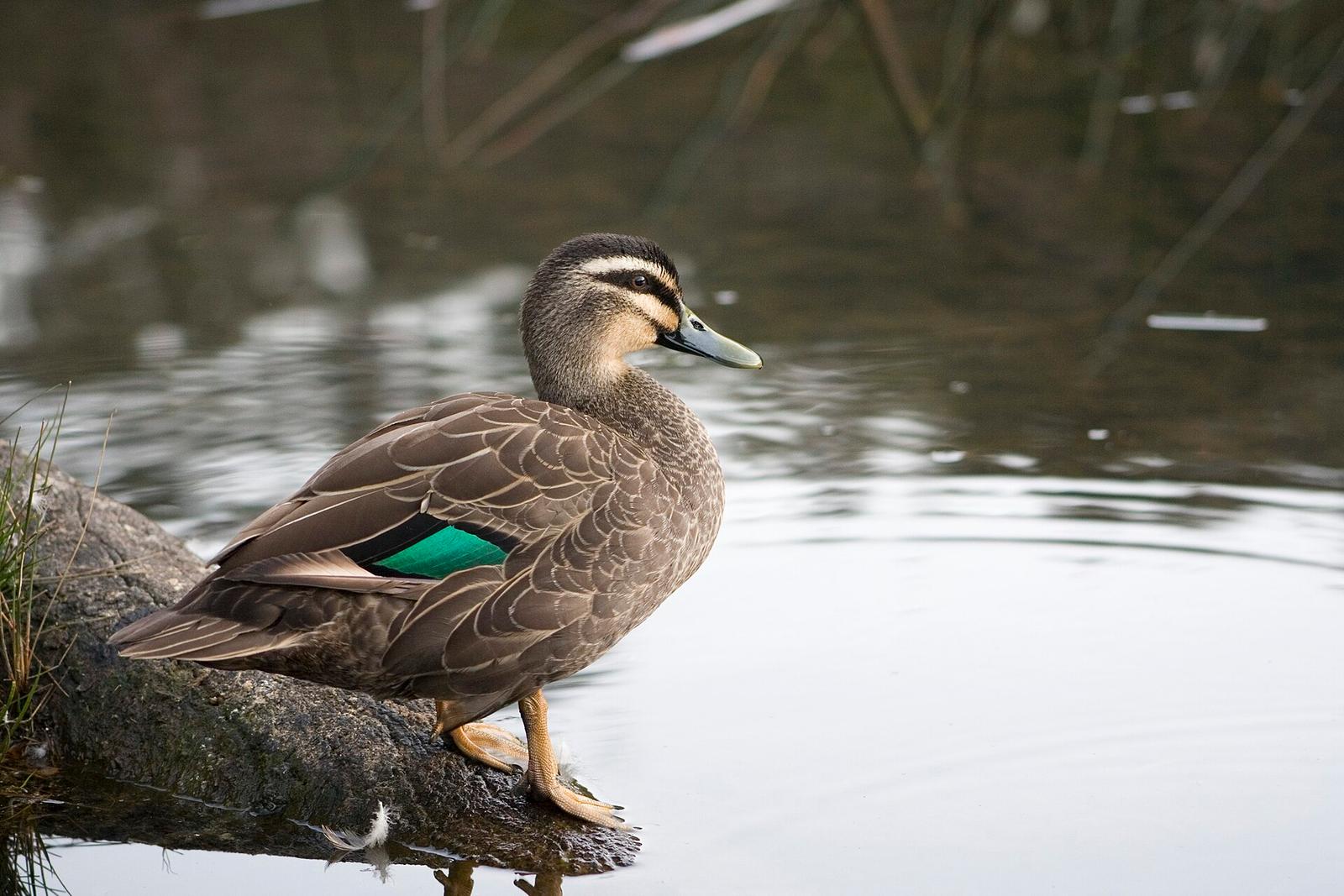
Royal National Park, established in 1879 as the world's second oldest national park (after Yellowstone), protects a remarkable diversity of coastal and bushland environments within 30 kilometres of the Sydney CBD. The park's establishment, made possible by the specific circumstances of the early NSW colonial government's decision to preserve a coastal tract for the recreation of Sydney residents, has provided the metropolitan population with access to genuine wilderness at a proximity that most major cities cannot offer.
The coastal walk from Bundeena to Otford, running along the park's eastern escarpment above the Pacific Ocean, is widely considered one of the finest coastal walks in Australia. The combination of the clifftop ocean views, the heath wildflower displays that colour the cliff edge in spring, the descent to remote beaches accessible only by foot, and the Gondwanan rainforest communities in the sheltered gullies creates a walking experience of extraordinary variety within the compass of a two-day walk or a series of day walks from different entry points.
The park's freshwater ecosystem, centred on the Hacking River and its tributary streams, provides the canoe and kayak environment that the salt water harbour and ocean environments cannot. The upper Hacking's combination of river corridor rainforest, platypus habitat, and the bird diversity that the river's ecological condition supports provides a freshwater wilderness experience that the park's ocean-facing character tends to overshadow in visitor perception.
The Aboriginal cultural heritage of the Royal National Park, including the significant rock engraving sites at Jibbon Point and elsewhere in the park, provides evidence of the long human history in the coastal landscape that the park now protects. The engravings' accessibility, with the Jibbon walk providing easy access to one of the most significant engraving sites, allows visitors to engage with the pre-colonial cultural landscape alongside the natural values that the park primarily protects.