wellness
Sydney's Fermented Food Scene Boosts Local Gut Health
From Surry Hills delis to Marrickville markets, Sydney's fermented food scene is quietly booming, and your microbiome is the better for it.
How we reported this
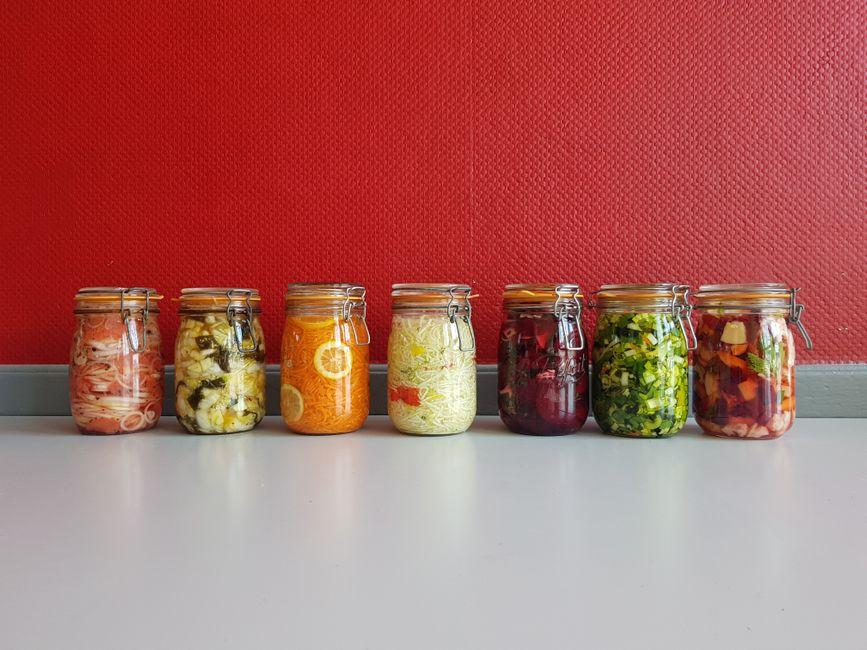
Sales of fermented foods at Sydney farmers markets have risen sharply over the past 18 months, with stallholders at the Marrickville Organic Food & Farmers Market reporting consistent sell-outs of locally made kefir, kimchi and kombucha by 10am most Sundays. The gut health conversation has moved decisively out of specialist clinics and into the weekend shopping basket.
The timing is not accidental. Australians are increasingly attentive to the relationship between digestive health and broader wellbeing, sleep quality, mood, immunity, as interest in evidence-based lifestyle interventions picks up across the country. Hormonal and metabolic health has become a dominant topic in wellness circles in 2026, and nutritionists and GP-adjacent practitioners are quick to point out that the gut microbiome sits at the centre of many of those conversations. Fermented foods, which deliver live bacterial cultures without requiring a prescription or a supplement budget, are an accessible entry point.
Sydney's food geography makes the search relatively easy. The stretch of King Street through Newtown is home to half a dozen specialty grocers and delis stocking a reliable rotation of fermented staples. Whole Foods Co-op on King Street carries locally produced sauerkraut from a small-batch producer in St Peters, alongside several varieties of water kefir that retail for between $9 and $14 per 750ml bottle. A short trip south to Marrickville's Smalls Road precinct turns up Korean-run grocers where house-made kimchi, packed in the traditional style with gochugaru, garlic and salted napa cabbage, sells for roughly $12 per 500g jar. These are not boutique imports; they are made weekly and often delivered the same day.
What to Look For, and Why the Label Matters
Not all fermented foods are created equal. Commercially produced kombucha sold in major supermarket chains has frequently been pasteurised, a process that kills the live cultures responsible for the purported gut benefits. The relevant detail on the label is "contains live cultures" or "unpasteurised", wording regulated under Food Standards Australia New Zealand (FSANZ) guidelines. Dietitians affiliated with the Sydney Gut Clinic, based in Pyrmont, routinely advise patients to prioritise refrigerated products over shelf-stable ones for exactly this reason, as refrigeration preserves bacterial viability in a way ambient storage does not.
A 2024 review published in the journal Nature Microbiology found that daily consumption of fermented foods over a ten-week period increased microbiome diversity in participants by an average of 19 percent compared to a high-fibre diet alone. That figure has been cited extensively in Australian nutrition circles since it appeared. Diversity in the gut microbiome is broadly associated with reduced systemic inflammation, though researchers are careful to note the field is still developing and individual responses vary considerably. This is precisely the kind of finding that warrants a conversation with your GP or an accredited practising dietitian before you overhaul your diet entirely.
Closer to the eastern suburbs, the Source Bulk Foods outlet in Paddington on Oxford Street stocks dried cultures for home fermentation, a sourdough starter costs around $6, and yoghurt cultures run about $8 for enough to inoculate two litres. For Sydneysiders who want structured guidance, the Community Food Lab, a not-for-profit running workshops out of a space in Ultimo, holds monthly fermentation classes priced at $45 per session covering miso paste, tepache and basic lacto-fermented vegetables. Their July intake sold out within 72 hours of going live in early June.
Starting Small, Staying Consistent
Nutritionists generally suggest introducing fermented foods gradually, one to two tablespoons of sauerkraut or a 150ml serve of kefir daily is a common starting point, with slow scaling over several weeks to avoid bloating in people whose guts are unaccustomed to higher probiotic loads. The Marrickville Organic Market runs every Sunday from 8am to 1pm on Addison Road; the Bondi Farmers Market, held Saturdays at the Bondi Beach Public School on Campbell Parade, has featured two separate fermentation specialists among its regular stallholders since February 2026.
The practical case for fermented foods rests on accessibility as much as evidence. They are whole foods, widely available across Sydney's inner suburbs, and most cost less per serving than a daily probiotic capsule. Start with one, eat it regularly, and check in with an accredited dietitian if you have an underlying digestive condition before making significant dietary changes.