wellness
Sydney Winter Dehydration: Science Reveals Why Mild Weather Tricks Residents
Sydney's mild winters fool residents into drinking far less water than they need, and the consequences show up everywhere from Bondi Beach to Centennial Parklands.
How we reported this
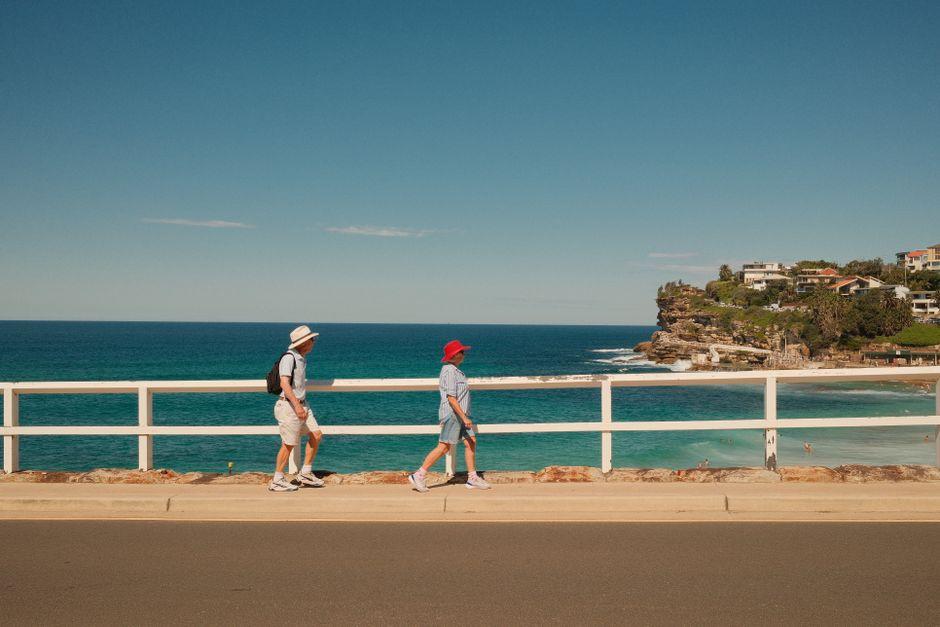
Sydney's July temperatures sit somewhere between a genuine winter and a prolonged autumn excuse. The Bureau of Meteorology recorded a mean maximum of 16.9°C across the city last July, mild enough that most residents swap their water bottles for flat whites and forget to drink anything useful until well past noon. Dietitians and sports medicine practitioners say that seasonal pattern is one of the most consistent hydration errors they see, and it runs across every demographic from weekend runners at Centennial Parklands to retirees walking the Manly coastal track.
The timing matters. Sydney's relative humidity drops markedly between June and August, hovering around 60 to 65 percent compared with the sticky 80-percent readings common in February. Drier air pulls moisture from the body through respiration at a rate most people don't register, because they aren't sweating visibly. The result is low-grade chronic dehydration that presents as fatigue, poor concentration and, in older adults, an elevated risk of urinary tract infections and kidney stones. The National Health and Medical Research Council's Australian Dietary Guidelines recommend approximately 2.1 litres of total fluid daily for women and 2.6 litres for men, figures that hold across seasons, even when the thermometer sits at 16 degrees.
What the Coastal Lifestyle Gets Wrong
Walk the Bondi to Coogee coastal walk on a clear Saturday morning and you'll count water bottles on roughly one in three people making the 6-kilometre route. That's not a scientific survey, but it tracks with what practitioners at the Sydney Sports Medicine Centre in Homebush report anecdotally: recreational exercisers consistently underestimate fluid loss during cool-weather activity. A 70-kilogram person running at a moderate pace loses between 0.5 and 1.5 litres per hour through sweat and respiration, depending on conditions, even in winter, even by the ocean.
The yoga and wellness studios concentrated along Crown Street in Surry Hills have started responding to this gap more directly. Several studios there now include electrolyte-focused post-class stations alongside their standard filtered water dispensers, and at least two have partnered with local kombucha producers to offer fermented drinks at a price point around $5 to $6 per bottle. Whether that trend reflects genuine nutritional thinking or clever retail strategy is a fair question, but the underlying point, that plain water isn't always sufficient after sustained physical activity, has solid backing in the sports nutrition literature.
Coconut water, long marketed as a natural electrolyte replacement, contains roughly 600 milligrams of potassium per 330-millilitre serving but only about 45 milligrams of sodium. For a gentle yoga session, that profile is adequate. For a 90-minute run through Centennial Parklands' 189 hectares of open paths, where sodium loss through sweat can reach 1,000 milligrams per litre, it falls short. Accredited practising dietitians in NSW generally recommend sodium-containing drinks or a small salty snack alongside plain water for exercise lasting longer than an hour.
Practical Choices for the Sydney Winter
Herbal teas and warm broths count toward daily fluid intake, a fact that surprises many people who assume only cold beverages qualify. This matters in July when a hot mug of peppermint tea feels appropriate and a cold glass of water does not. Caffeinated drinks, coffee, black tea, contribute to overall hydration too, despite persistent mythology to the contrary; a 2022 review in the European Journal of Nutrition confirmed that moderate caffeine intake does not produce net fluid loss in regular consumers.
Alcohol is the exception. The après-surf beers popular at venues near North Bondi are genuinely dehydrating, suppressing antidiuretic hormone and increasing urine output well beyond what the drink contributes. A useful rule of thumb: one glass of water for every standard drink, starting before the first beer rather than after the last.
The most practical intervention costs nothing. Set a phone reminder at 9am, noon and 3pm to drink 250 millilitres. Keep a one-litre bottle visible on your desk or kitchen bench. Eat your fluids, cucumber, oranges and the leafy greens in season at Paddy's Markets right now are all more than 90 percent water by weight. And if you are doing anything longer than a brisk 40-minute walk outside, bring water with you, regardless of the season. A Sydney July is not the tropics, but it is not a free pass either. Consult an accredited practising dietitian or your GP if you have specific health concerns about your fluid intake.