wellness
How to eat well on a tight budget: local tips for Sydney
With grocery bills still punishing household budgets, Sydney nutritionists and market-goers say smart eating doesn't require a Bondi café salary.
How we reported this
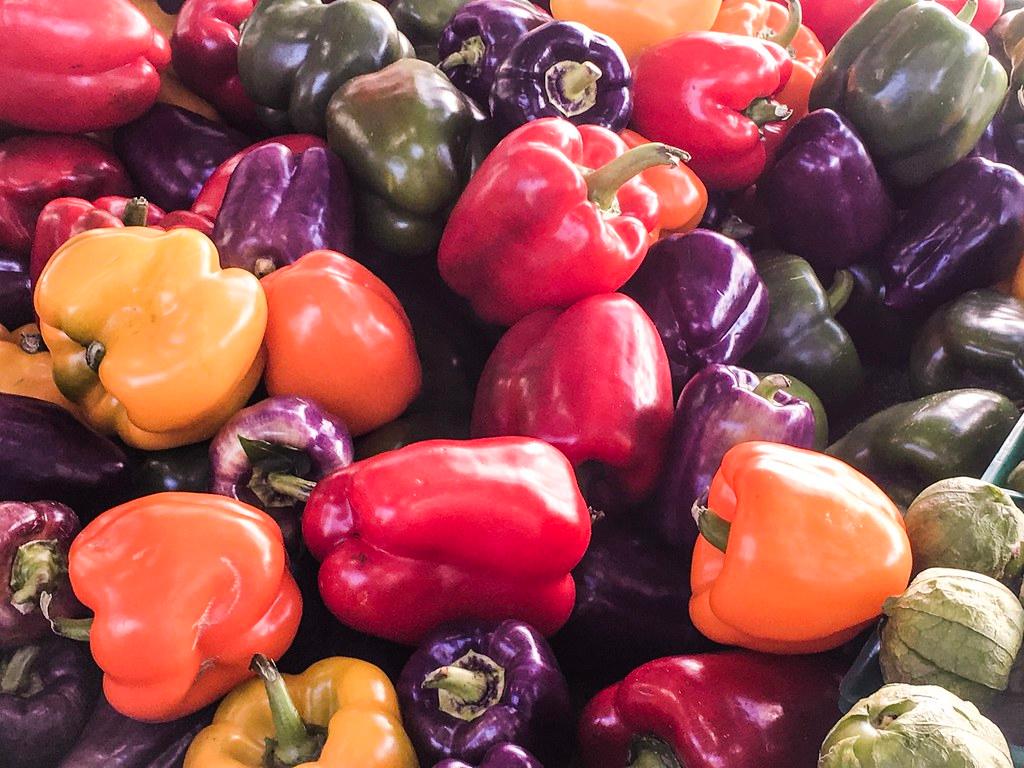
Australians are spending more on food than at any point in the past decade, yet dietitians say the fundamentals of good nutrition have never been cheaper to access, if you know where to look. The weekly grocery bill for a Sydney household of four now averages around $380, according to the Australian Bureau of Statistics' most recent Household Expenditure Survey, a figure that has climbed roughly 18 percent since 2022. That pressure is showing up at food banks, community gardens and discount grocers across the city.
The timing matters. With the property market cooling and first-home buyers sitting on their hands, more Sydneysiders are renting for longer and watching every dollar. Discretionary spending on health, gym memberships, supplements, specialty health food, is among the first things cut. But cutting the organic spirulina does not have to mean cutting nutritional quality. Accredited practising dietitians consistently argue that the gap between expensive and nutritious is mostly marketing.
Where Sydney's savvy shoppers are actually going
The Flemington Markets in Auburn, formally the Sydney Markets complex on Parramatta Road, open to the public every Friday from 7am. A kilogram of sweet potatoes there regularly sells for under $2, compared with $4.50 or more at major supermarkets in the CBD. Broccoli, silverbeet and in-season citrus move at wholesale-adjacent prices because vendors are offloading surplus stock. The trick is arriving after 9am, when traders start cutting prices to avoid cartage back to cold storage.
In the inner city, the Addison Road Community Centre in Marrickville runs a weekly community market every Sunday where local growers sell direct. The centre's affiliated food co-op, Food Connect Sydney, allows members to buy seasonal produce boxes for as little as $35 a fortnight, produce sourced from regional NSW farms within roughly 300 kilometres of the city. Membership costs $25 a year. Several Surry Hills residents who attend the yoga studios along Crown Street have made the co-op a weekly ritual, treating the pickup point on Addison Road as a social fixture as much as a pantry run.
Harris Farm Markets, with its Pyrmont and Bondi Junction stores, operates a "Imperfect Picks" section where cosmetically flawed fruit and vegetables sell at 30 to 50 percent discounts. A bag of misshapen carrots for $1.50. A punnet of strawberries with a soft spot or two for $2.99. The quality argument against these products is largely aesthetic, not nutritional, vitamin C content in a bruised strawberry is identical to a flawless one.
Making the numbers work at home
Dried legumes are the closest thing nutrition science has to a consensus superstar on a budget. A 500-gram bag of red lentils at Woolworths on George Street, Sydney CBD, costs $1.80. It yields roughly six servings of a meal base rich in protein, iron and fibre. Tinned chickpeas, kidney beans and cannellini beans clock in between $1.10 and $1.60 per 400-gram can across most Sydney supermarkets, enough for two substantial servings. Nutritionists at the Dietitians Australia NSW branch regularly point to legumes as the single highest-value swap for people reducing meat spending.
Frozen vegetables deserve rehabilitation. Research published in the Journal of Food Composition and Analysis found that frozen spinach, broccoli and peas retain comparable levels of key vitamins to fresh equivalents, sometimes exceeding them, because freezing happens within hours of harvest. A 500-gram bag of frozen peas at Aldi's Glebe store runs $1.39. That is a meaningful number when a household is genuinely counting.
Meal planning around a weekly shop rather than daily convenience purchases cuts costs sharply, consumer researchers at CHOICE Australia estimated in their 2025 food waste report that the average Sydney household throws out roughly $2,800 worth of food annually. Buying whole chickens rather than breast fillets, cooking a larger batch of grains on Sunday, and treating the freezer as a short-term pantry rather than an appliance for ice cream are habits that accredited dietitians recommend consistently. None of them require a premium health food budget. They require about twenty minutes of planning. Anyone seeking personalised dietary guidance should speak with an accredited practising dietitian, many offer Medicare-rebated appointments under a GP mental health or chronic disease management plan.