wellness
Meal Prep Sydney: Save Time & Money for Busy Families
Sydney families are ditching takeaway with Sunday meal prep. Learn how busy workers and parents batch cook to save time, cut grocery costs, and reclaim weeknight stress.
How we reported this
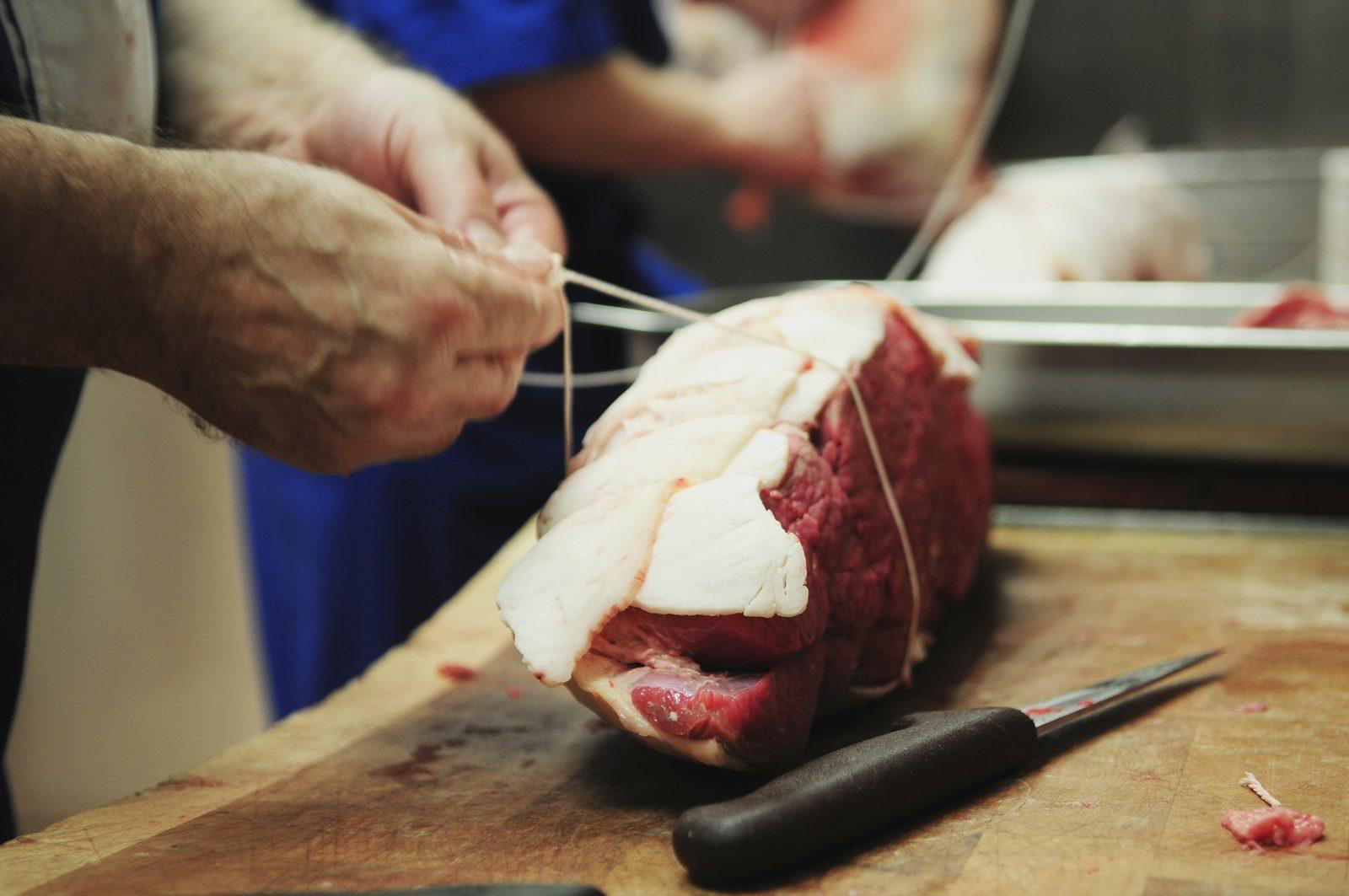
Sydney families are spending more time commuting and less time cooking, and the gap between good intentions and what actually lands on the dinner table has never been wider. The average round-trip commute for workers travelling into the CBD from suburbs like Parramatta or the Hills District can run past two hours. By the time the train pulls into Central Station and the school pickup is done, the rice cooker is the last thing anyone wants to think about. That is exactly why structured meal preparation, blocking out two to three hours on a weekend to cook in bulk, is gaining serious traction across the city.
The timing is pointed. Supermarket data published by the Australian Bureau of Statistics in its March 2026 Household Expenditure release showed food costs for a typical Sydney family of four were tracking close to $350 per week, with ready-made and delivered meals forming a growing share of that spend. Cooking from scratch in batch quantities can cut per-meal cost significantly, nutrition practitioners and community cooking programs consistently note, though individual results vary by household size, diet and suburb.
Where Sydney Is Making It Work
The movement has a strongly local flavour. The Addison Road Community Organisation in Marrickville runs a community kitchen program that gives households access to commercial-grade cooking equipment on weekends, primarily serving lower-income families and recently arrived migrants. Participants use the space to cook grains, legumes and proteins in quantities that would overwhelm a standard domestic stovetop. The Marrickville demographic, young renters, share houses, small families, maps almost perfectly onto the cohort most likely to default to Uber Eats on a Tuesday night.
Further east, the Bondi Farmers Market, held every Saturday at the Bondi Beach Public School grounds on Campbell Parade, has become a practical starting point for meal preppers hunting seasonal produce. Shopping there rather than at chain supermarkets gives cooks access to locally grown leafy greens, heritage grains and pasture-raised proteins that hold up well to batch cooking and refrigeration across a five-day working week. A standard prep haul, whole chickens, root vegetables, dried legumes and leafy greens, runs to roughly $80 to $120 depending on the season and portion targets, market vendors there generally advise.
Fitness culture and nutrition habit are colliding in Surry Hills and Newtown too, where independent gyms and yoga studios on Crown Street and King Street have begun hosting weekend nutrition workshops tied explicitly to prep strategies. These sessions typically focus on macronutrient balance for people who are also running Centennial Parklands circuits or training for the Manly to Spit coastal walk events. The crossover is deliberate: movement culture has started pulling meal strategy into its orbit in a way that felt marginal even three years ago.
The Five-Day Prep Blueprint
Dietitians and cooking educators who work with busy urban households tend to agree on a few structural principles. Cook one large-batch protein on Sunday, a tray of roasted thighs, a pot of slow-cooked lentils, or a whole snapper bought from the Sydney Fish Market at Bank Street, Pyrmont. Build two to three grain bases separately: brown rice, freekeh or pearl barley all reheat cleanly and resist going soggy. Roast a full tray of seasonal vegetables, because roasted veg diversifies into four or five different meals with minimal extra effort. Portion into glass containers on Sunday night, and the week's lunches and two to three dinners are effectively done before Monday begins.
The school lunchbox dimension matters just as much. Nutritionists working with families in the Inner West and Lower North Shore recommend applying the same batch logic to snacks: boiling a dozen eggs, slicing raw vegetables into portions, and pre-making oat-based snack balls cuts the weekday morning scramble from fifteen minutes to three. For families on tighter budgets, the NSW Government's Live Life Well program, available through the NSW Health website, offers free recipe resources calibrated to cost and prep time, with specific guidance for households feeding children under 12.
Sydney's winter grocery season, running through July and August, is actually one of the better periods to start. Cruciferous vegetables, broccoli, cauliflower, kale and cavolo nero, are at seasonal lows in price and are among the most versatile ingredients for batch cooking. The practical advice is simple: pick one Sunday in July, block two and a half hours, and treat the kitchen like a project rather than a chore. Consult an accredited practising dietitian for advice tailored to your family's specific nutritional needs.