Best of Sydney
First Time in Sydney: A Visitor Guide to the Harbour, Beaches and Beyond
Sydney rewards visitors who understand its shape before they arrive. The city is built around one of the world's great natural harbours, and almost everything a first timer wants to see radiates out from that blue centre. Get your bearings here and you will spend less time on trains and more time on ferries, beaches and clifftop walks. This guide covers how Sydney fits together, how long to stay, and the highlights worth your time. For official, up to date listings, the visitor site to bookmark is Destination NSW's sydney.com.
A note before you start exploring: central Sydney is the land of the Gadigal people of the Eora Nation, and Sydney Cove itself is known as Warrane in the Gadigal language. You will see Aboriginal place names and acknowledgements across the city's institutions.
Orient yourself: the harbour is the centre
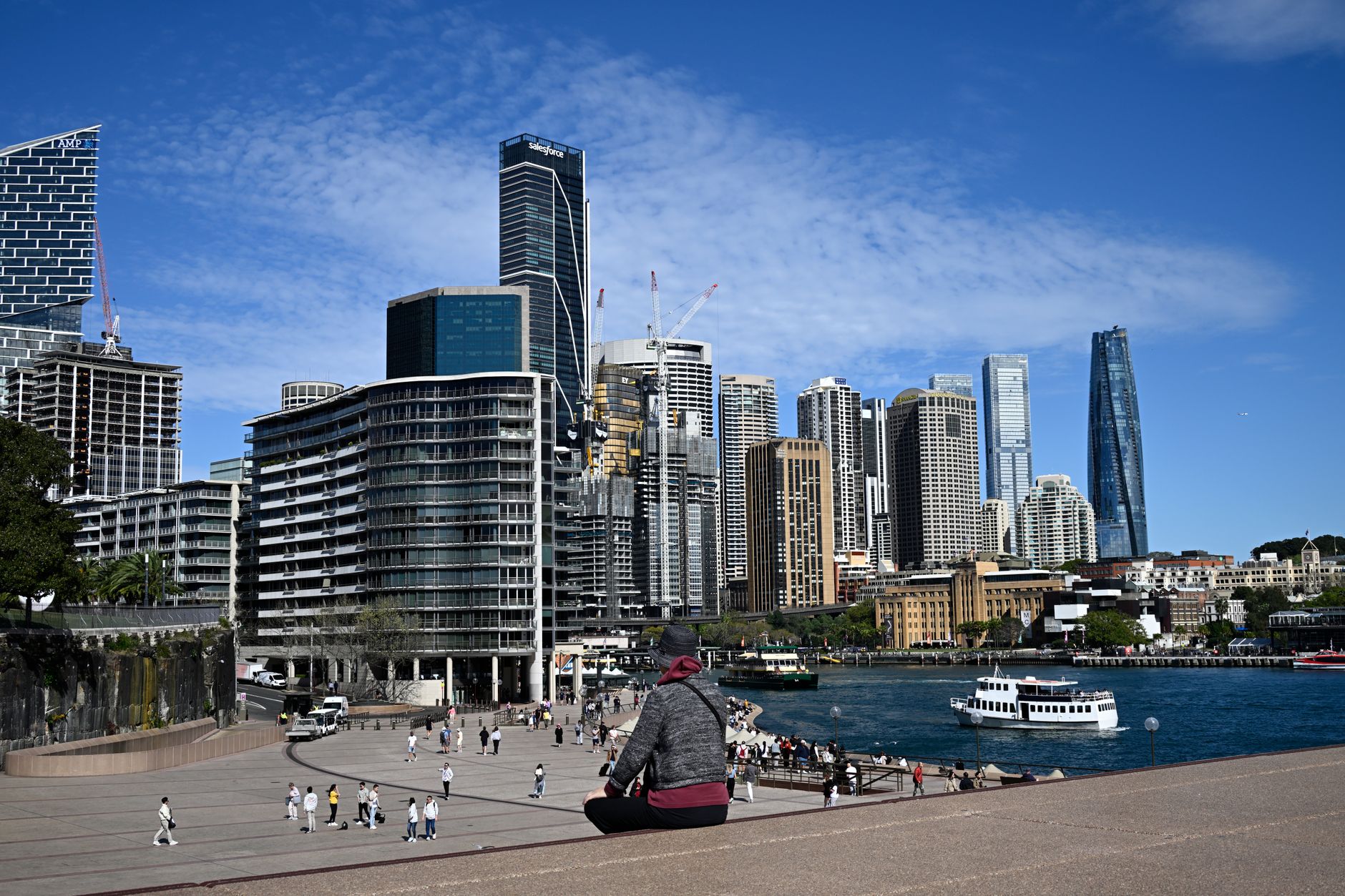
Think of Sydney as a harbour with neighbourhoods clipped to its edges. The natural hub is Circular Quay, the transport interchange that sits between the Sydney Opera House (to the east) and The Rocks (to the west). Circular Quay brings together several modes in one spot: ferries from a row of wharves, trains at Circular Quay station, buses along Alfred Street, and light rail. If you base your first day here, you can walk to the Opera House, stroll The Rocks laneways, and step straight onto a ferry.
The best first move in Sydney is to get on the water. Sydney Ferries run on the integrated Opal network, and you can tap on with an Opal card, a contactless credit or debit card, or a linked phone or watch (charged at the adult Opal fare). The most famous run is the F1 to Manly from Circular Quay, a crossing of about half an hour past the heads with Opera House and Bridge views the whole way. Because fares, daily and weekly caps and the transfer discount change, check current detail at transportnsw.info rather than relying on a fixed figure.
The CBD, the icons and free culture
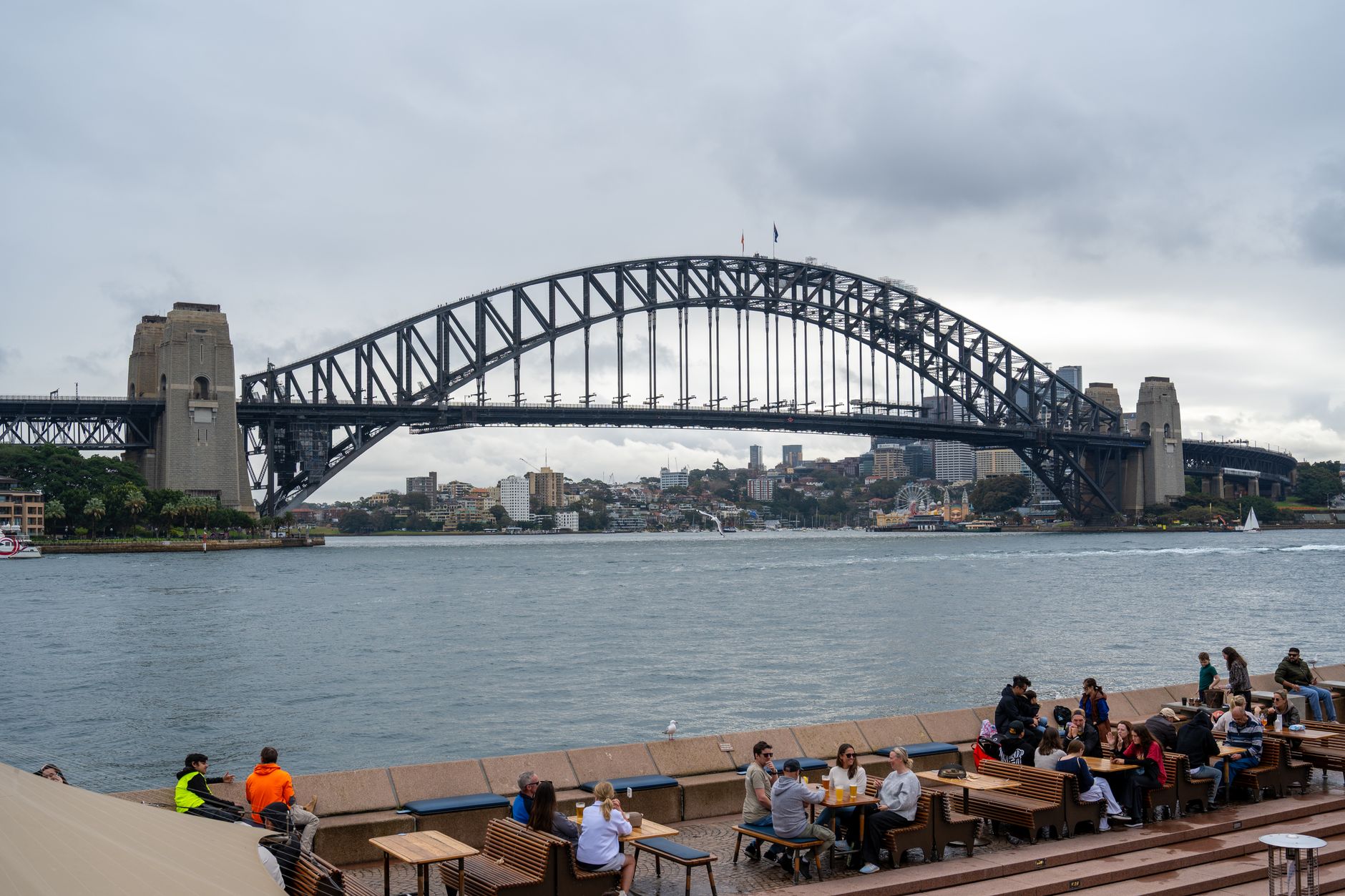
The Sydney Opera House, opened in 1973 to Danish architect Joern Utzon's design and inscribed on the UNESCO World Heritage List in 2007, is worth seeing up close and from the water. Tours and performances are listed at sydneyoperahouse.com. The Sydney Harbour Bridge, opened in 1932 and nicknamed the Coathanger, can be crossed on foot for free; the guided summit climb is run by BridgeClimb (bridgeclimb.com).
Two highlights are free. The Royal Botanic Garden Sydney, founded in 1816 on the harbour edge at Farm Cove, has free general entry and opens from around 7am to sunset (botanicgardens.org.au). Next to it, the Art Gallery of New South Wales offers free general admission across its two buildings, Naala Nura and the newer Naala Badu (artgallery.nsw.gov.au). The Rocks, Sydney's oldest European neighbourhood and dense with heritage buildings, runs weekend markets; days and hours are at therocks.com.
The eastern beaches
The eastern suburbs hold Sydney's headline beaches. The classic introduction is the Bondi to Coogee Coastal Walk, roughly 6km of clifftop path passing Bondi, Tamarama, Bronte, Clovelly and Coogee. It has some steep stairs but is manageable for most fitness levels. Along the way you pass heritage ocean pools cut into the rock shelf, from the well known Bondi Icebergs to the free Bronte Baths.
One rule matters above all: swim between the red and yellow flags, which mark the patrolled area. If no flags are flying, the beach is not patrolled. If you are ever caught in a rip, stay calm, float, raise an arm for help and do not swim against it. Patrol days and hours vary by beach and season, so check each beach on Surf Life Saving's Beachsafe.
The inner west and Sydney's food map
For a different side of the city, head to the inner west. Newtown, centred on King Street and Enmore Road, is casual, diverse and notably vegetarian and vegan friendly. Nearby Marrickville layers Vietnamese and longstanding Greek food with a strong cafe scene. Destination NSW maps the city's dining precincts as multicultural eat streets: Surry Hills for cafes and modern cooking, Chinatown and Thaitown in Haymarket, and Cabramatta in the south west, the heart of the Vietnamese community. Weekend markets are part of the rhythm too, such as the Carriageworks Farmers Market and the Marrickville organic market; check current days and hours before you go.
How long to stay
Three to four full days lets you cover the essentials without rushing: one day for the harbour, Opera House, Bridge, The Rocks and a Manly ferry; one for the eastern beaches and the coastal walk; one for the inner west, food and markets; and a fourth for a day trip. With five to seven days you can add the Blue Mountains (about 90 minutes west by car or train to Katoomba for the Three Sisters), the Royal National Park to the south, or the Hunter Valley wine region to the north. Itineraries and transport detail are on visitnsw.com.
Seasons and timing
Sydney's seasons are reversed from the Northern Hemisphere: summer (December to February) is warmest, winter (June to August) is mild. If you visit in winter, the flagship event is Vivid Sydney, a light, music and ideas festival run by Destination NSW across about three weeks in May and June, with most of the program free including the harbourside Light Walk (vividsydney.com). Other anchors include the New Year's Eve harbour fireworks, the Sydney Festival in January, and the City2Surf run in August. Climate averages come from the Bureau of Meteorology's Observatory Hill station (bom.gov.au).
This is general information produced with AI. Please confirm current fares, opening hours, dates and conditions with the linked official sources before you travel.
-
1
Sydney Harbour and the Opera House
No first visit is complete without seeing the Opera House up close and walking across the Harbour Bridge, the two icons are 15 minutes apart on foot.
-
2
Bondi Beach
Take the bus from Bondi Junction or the train to Bondi Beach and walk the coastal path to Coogee for an afternoon that defines the Sydney experience.
-
3
The Rocks and Circular Quay
Sydney's oldest precinct has the MCA, weekend markets, harbour views, ferry terminals and the best access to the Botanic Gardens and the Opera House forecourt.
-
4
Darling Harbour
A waterfront precinct west of the CBD with the Aquarium, Powerhouse Museum, Chinese Garden of Friendship and dozens of waterfront restaurants.
-
5
Manly Day Trip
Catch the Manly Ferry from Circular Quay for a 30-minute cruise through the harbour, spend the afternoon on the beach and the Corso.
-
6
Royal Botanic Garden
Stroll from the Opera House forecourt through the free harbour gardens, the most pleasant 45-minute walk in central Sydney.
More Best of Sydney
-
 How to Spend a Weekend in Sydney: A Simple Two-Day Plan
-
 Getting Around Sydney 2026: Trains, Ferries and Opal Card Explained
-
 Sydney Seasons: When to Visit and What to Expect
-
 Where to Stay in Sydney: The Main Areas Explained
-
 Bondi to Coogee Walk: Distance, Time, Views and What to Know
-
 Free Things to Do in Sydney: The Local's Guide to Harbour Walks, Coastal Trails, Galleries and Gardens