Sydney's startup market shifts: What founders and investors need to know right now
Rising office vacancy rates, tighter funding conditions, and a talent exodus are reshaping the innovation landscape across Barangaroo and beyond.
Rising office vacancy rates, tighter funding conditions, and a talent exodus are reshaping the innovation landscape across Barangaroo and beyond.

Sydney's startup ecosystem is undergoing a significant recalibration as economic headwinds and structural changes in the tech sector force founders and investors to rethink strategy.
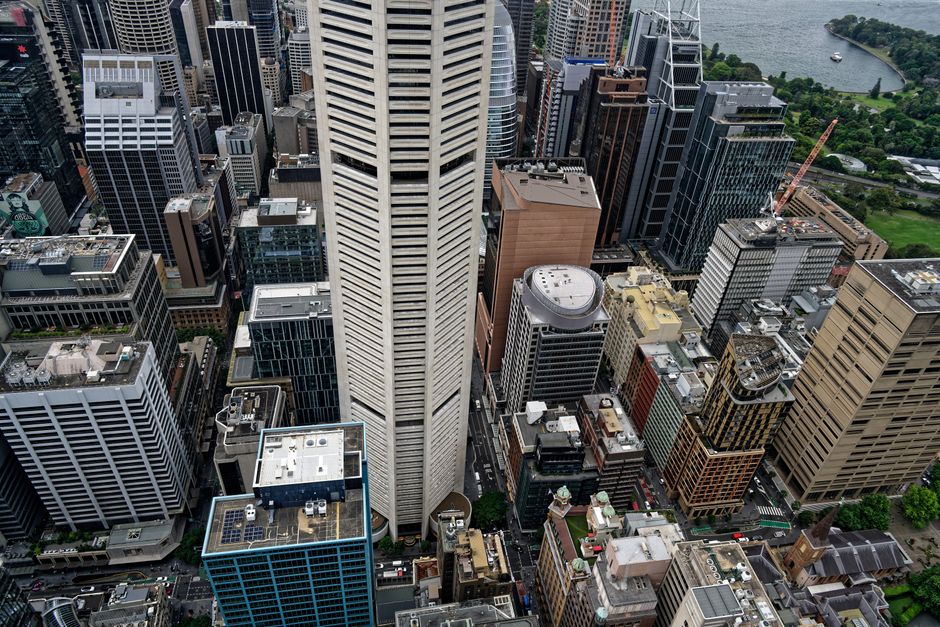
The most immediate challenge is workspace economics. Commercial office vacancy rates across Barangaroo and the CBD have climbed to levels not seen in over a decade, with some precincts hovering near 10 per cent. This glut has fractured the traditional startup narrative. While cheap real estate might sound positive, it masks a deeper problem: landlords are increasingly selective about tenant mix, and many early-stage companies are discovering that the prestige address no longer carries the same cachet with investors it once did. Several innovation hubs along Barangaroo Avenue have shifted their leasing models away from long-term commitments, instead offering flexible, month-to-month arrangements to improve occupancy.
Funding dynamics are tightening considerably. Early-stage capital flows into Australian startups have cooled significantly compared to 2024's peaks, with Series A and B rounds becoming more competitive and larger cheques going to later-stage companies with proven revenue models. Venture capital firms operating out of offices in the Parramatta technology corridor and the CBD are now demanding clearer pathways to profitability from Series A candidates—a sharp departure from the growth-at-all-costs mentality that defined the sector just 18 months ago.
Talent retention remains acute. Sydney's competitive graduate employment market, combined with remote work normalisation, means that startups can no longer rely solely on proximity to Surry Hills coffee culture to attract top engineers. Companies are losing staff to overseas opportunities, particularly in San Francisco and London, where salaries remain 30–40 per cent higher. Some mid-stage firms are responding by establishing distributed teams or offering equity packages with extended vesting schedules to improve retention.
What businesses need to know: focus on unit economics and runway. Investors are scrutinising burn rates more closely. Founders should anticipate longer fundraising cycles and prepare for more rigorous due diligence. For those seeking workspace, the current glut presents a genuine opportunity to negotiate favourable terms—but flexibility will be essential.
The resilience test facing Sydney's startups isn't new, but the pressure is real. Companies that adapt their cost structures and clearly articulate customer value will emerge stronger. Those clinging to the playbooks of 2023 will face a harder road.
This article was compiled by AI from the sources linked above and screened before publishing. See our editorial standards.
How does this story make you feel?
Spread the word
About this article
Published by The Daily Sydney
Daily brief
Free, in your inbox before 7am. Weekdays.
More in Business