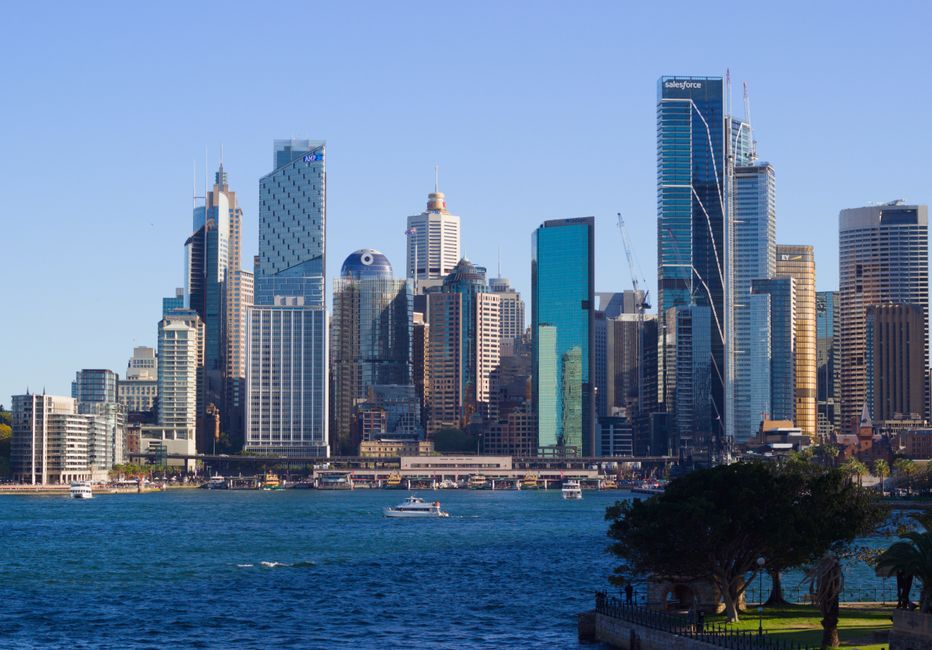
Sydney's recruitment landscape is shifting beneath the surface as global geopolitical volatility ripples through local boardrooms. The recent standoff between the US and Iran, combined with growing tensions across South Asia, has prompted major employers across the city's financial and logistics hubs to pause expansion plans and reassess their workforce strategies.
Employment agencies operating from the CBD and Barangaroo report a marked slowdown in permanent placement activity, particularly in import-export and energy sectors traditionally buoyant in mid-year. One Macquarie Street recruiter noted that shipping and logistics firms—vital to Sydney's role as Australia's premier port city—are holding back on hiring indefinitely, citing supply chain unpredictability. The Port of Sydney's container throughput remains strong, but uncertainty about transit routes and geopolitical risk premiums are creating a wait-and-see environment.
"We're seeing clients defer mid-level management hires by 6-8 weeks," one recruitment principal explained, requesting anonymity. "They're watching whether trade disruptions will impact their revenue before committing to headcount."
The tech and professional services sector, concentrated around the Martin Place precinct and Parramatta CBD, shows more resilience. However, even here, hiring has shifted toward contract and temporary arrangements. Firms are hedging against volatility by building flexible workforce capacity rather than committing to permanent roles. This trend mirrors patterns seen during previous periods of geopolitical stress, but its persistence suggests employers expect extended uncertainty.
Office vacancy rates in prime Sydney locations remain subdued—around 4.5% in the CBD according to recent commercial data—but demand for flexible workspace is climbing. Companies are downsizing permanent headcount while investing in agile arrangements, a paradox that complicates workforce planning across Greater Sydney.
For job seekers, the implications are stark. Graduate recruitment campaigns, typically robust in June-July, have contracted noticeably. Financial services firms in the North Sydney corridor have reduced intake targets, while infrastructure and construction sectors remain uneven. Wage growth in these sectors has flatlined around 3-3.5%, below Sydney's cost-of-living pressures.
Industry observers suggest the job market will stabilize once geopolitical signals clarify. For now, Sydney's employment landscape remains in a holding pattern—employers cautious, workers uncertain, and the global context reshaping how Australia's largest city manages its most valuable resource: talent.
This article was compiled by AI from the sources linked above and screened before publishing. See our editorial standards.