Sydney's office market is in freefall, and while that might sound like a problem for corporate landlords and property investors, the truth is far more personal. The collapse of commercial real estate in the CBD, Parramatta, and inner-west suburbs will reshape where you live, work, and spend money in ways that demand your attention.
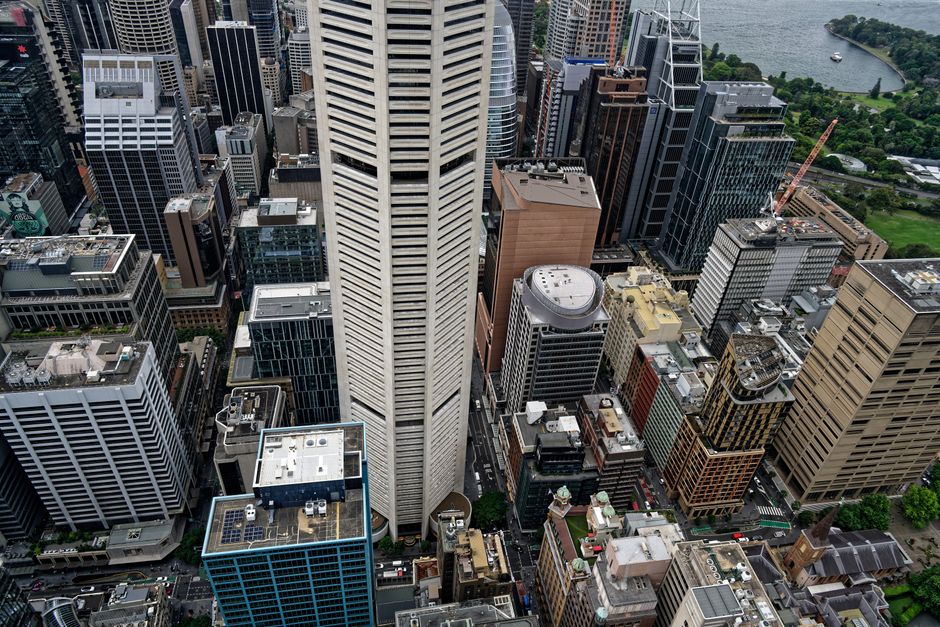
The numbers tell a stark story. Downtown Sydney office vacancy rates have climbed past 12 per cent—the highest in decades—with prime addresses on Pitt Street and around Circular Quay struggling to attract tenants at rents once considered standard. Meanwhile, conversion projects that might have filled these empty towers with apartments have stalled. That matters directly to you: fewer new residential units means tighter rental markets in adjacent suburbs like Ultimo, Pyrmont, and the inner west, putting upward pressure on housing costs.
Here's what's happening on the ground. Major employers have accelerated hybrid work arrangements, meaning fewer bodies in offices. Parramatta's commercial precinct, positioned as Sydney's second CBD, is absorbing the overflow—but many mid-sized firms are simply shrinking their physical footprint rather than relocating. That idle office space doesn't vanish; landlords holding onto depreciated assets eventually pass costs onto tenants willing to stay, or they attempt controversial conversions that can take years to approve.
The jobs picture is murkier too. While office downsizing hasn't yet triggered mass redundancies, it's creating a two-tier employment market. Established firms with strong balance sheets are consolidating their real estate; smaller businesses and startups can't access affordable space in traditional business districts. For job seekers, this means less competition for roles at blue-chip companies but fewer opportunities in growing mid-market firms that might have hired aggressively a few years ago.
The street-level impact is already visible. Ground-floor retail in office-heavy areas like the CBD's Martin Place precinct and around North Sydney's corporate towers faces declining foot traffic. Coffee shops, restaurants, and services that thrived on lunchtime crowds are closing or relocating to residential neighbourhoods instead. Your local Darling Harbour or Barangaroo venue might feel quieter these days—that's no accident.
What should residents do? If you're renting, expect tighter markets in inner suburbs as investors reallocate capital. If you're looking to buy, monitor office-to-residential conversion plans—they often signal neighbourhood transformation. And if you work in professional services, understand that your employer's real estate strategy directly affects job security and flexibility.
Sydney's office crisis isn't a distant problem for property funds and developers. It's reshaping your neighbourhood, your commute, and your cost of living right now.
This article was compiled by AI from the sources linked above and screened before publishing. See our editorial standards.