Reading the Tea Leaves: What Sydney's Job Market Tells Us About Investment Flows
As hiring slows across the CBD and capital moves offshore, understanding employment data becomes crucial for businesses deciding where to plant their flag.
As hiring slows across the CBD and capital moves offshore, understanding employment data becomes crucial for businesses deciding where to plant their flag.

Sydney's job market is sending mixed signals, and savvy investors are learning to read between the lines. Latest Australian Bureau of Statistics data shows the city's unemployment rate holding steady at 3.8 per cent, masking deeper shifts in where money is actually flowing and which sectors are attracting serious capital.
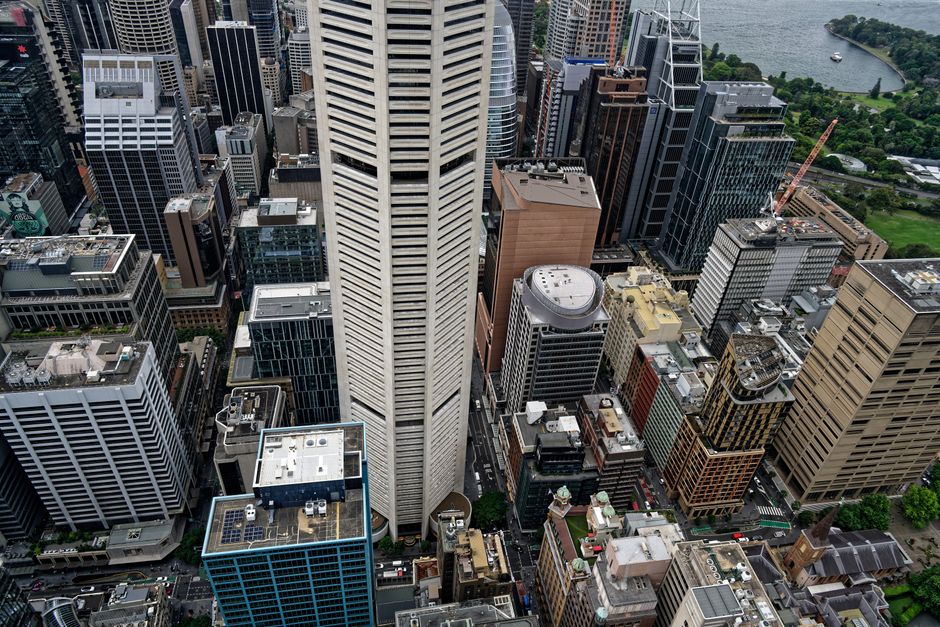
The trend is clear when you walk from the gleaming towers of the CBD down to Barangaroo Reserve: while professional services firms continue snapping up premium office space, the pace of hiring has noticeably cooled. A survey of 200 businesses across Sydney's eastern suburbs and inner west reveals only 42 per cent plan to expand headcount in the next twelve months, down from 58 per cent two years ago.
What's happening is a classic investor rotation. Tech and fintech companies, which drove Sydney's employment boom through 2023-2024, are consolidating operations. The city's thriving startup corridor around Surry Hills and Alexandria is becoming leaner and more capital-efficient. Meanwhile, investment is flowing toward infrastructure, healthcare, and logistics—sectors promising steadier returns in an uncertain economic environment.
Commercial real estate data underscores this shift. Prime office rents in Martin Place and Pitt Street have plateaued around $850 per square metre annually, while warehouse and logistics space in Western Sydney—particularly Wetherill Park and Eastern Creek—is commanding premiums. This geographic pivot reflects where investors believe future value lies.
Government spending on infrastructure, particularly around transport and the Western Sydney Airport corridor, is creating pockets of genuine job growth. Construction employment in outer suburbs has grown 12 per cent year-on-year, though wages remain compressed. The investment equation is straightforward: lower labour costs in growth corridors plus government backing equals attractive returns.
For job seekers, the message is less comfortable. Skills that commanded premium salaries eighteen months ago—particularly in early-stage fintech and SaaS—are now in genuine oversupply. Conversely, roles in project management, skilled trades, and supply chain specialisation remain genuinely tight, with shortages driving wage growth of 5-7 per cent annually in those fields.
The broader economic indicator telling the most important story is capital velocity. Foreign direct investment in Australian tech has fallen 34 per cent this calendar year, while domestic capital is increasingly risk-averse, favouring established sectors over experimentation. For Sydney's economy, this means slower employment expansion overall, more selective hiring, and a subtle but significant reshuffling of where opportunity actually lies.
This article was compiled by AI from the sources linked above and screened before publishing. See our editorial standards.
How does this story make you feel?
Spread the word
About this article
Published by The Daily Sydney
Daily brief
Free, in your inbox before 7am. Weekdays.
More in Business