Sydney Office Vacancy Crisis: What It Means for Rent & Your Suburb
Sydney's office market collapse is hitting residents hard. Here's how soaring CBD vacancies are driving up rents, closing cafes, and changing your commute.
Sydney's office market collapse is hitting residents hard. Here's how soaring CBD vacancies are driving up rents, closing cafes, and changing your commute.
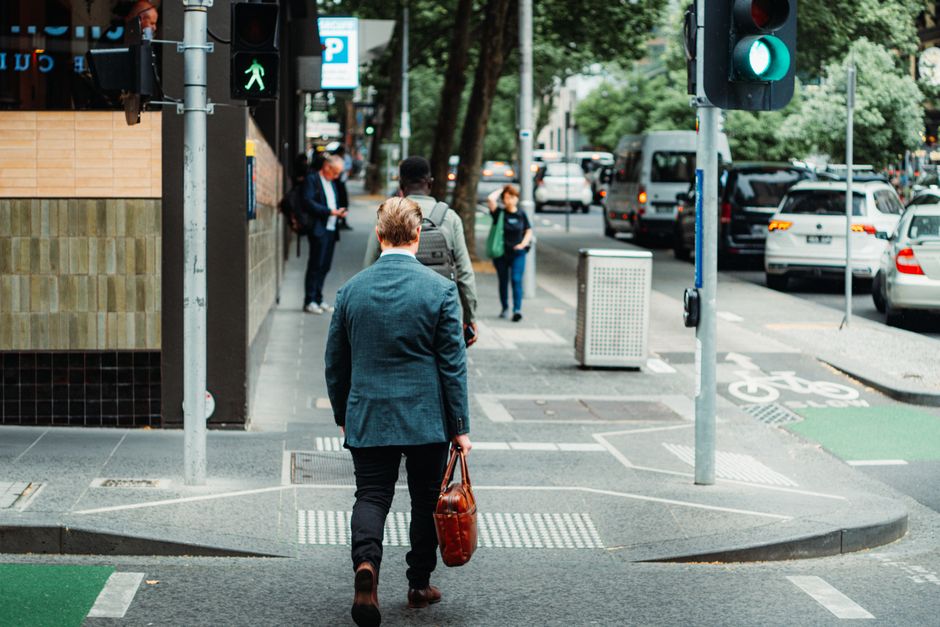
Sydney's office market is in upheaval, and while it might sound like a problem for corporate landlords, the reality is hitting residents where it counts: in their wallets and their neighbourhoods.
The numbers are stark. Office vacancy rates in the CBD have climbed to levels not seen in over a decade, with prime real estate on Pitt Street and Castlereagh Street sitting empty as companies embrace hybrid working. This isn't just a statistical concern—it's reshaping how Sydney functions as a city.
For everyday residents, the first casualty is the service economy. That surge of office workers heading to the city each morning fuelled a boom in cafes, lunch spots, and retail along Barangaroo Reserve, Wynyard, and Martin Place. With foot traffic down, many small businesses that relied on the weekday commute are struggling. Rents in these zones are adjusting downward, but not fast enough for venues already running on tight margins. Some have already closed; others are retreating into delivery and corporate catering models that require fewer physical spaces.
The second wave hits residential property values. Inner-city areas like Ultimo and Pyrmont, which thrived partly because young professionals wanted proximity to workplaces, are seeing different demand patterns. If the city no longer requires five days a week from thousands of workers, property investors are recalculating what those neighbourhoods are worth.
There's also the transport question. Lower CBD occupancy means Transport NSW and the government face a genuine puzzle: do we maintain current train and bus schedules if peak-hour volumes drop significantly? That affects commuters from the Inner West, the North Shore, and South Sydney who may not work in offices but still need reliable public transport.
Commercial property developers are now racing to convert office towers into residential apartments—a trend visible in projects across Parramatta and Darling Harbour. This could ease housing supply pressure, but conversion takes years and capital. In the interim, landlords holding empty office space are caught between holding costs and accepting lower rents.
The silver lining is that this disruption creates opportunities. Suburban office hubs in Parramatta, Chatswood, and Westfield's commercial precincts are becoming more attractive as companies decentralise. This could reduce pressure on the CBD and distribute economic activity across Greater Sydney—good news for residents in outer areas seeking local jobs.
The lesson for Sydney residents: don't ignore commercial property trends. They shape neighbourhood vitality, job accessibility, public transport viability, and ultimately, your cost of living. The office market isn't just about corporate balance sheets anymore.
This article was compiled by AI from the sources linked above and screened before publishing. See our editorial standards.
How does this story make you feel?
Spread the word
About this article
Published by The Daily Sydney
Daily brief
Free, in your inbox before 7am. Weekdays.
More in Business