Sydney's visitor economy is experiencing a sharp acceleration that few predicted just 18 months ago. International arrivals have rebounded to 96 per cent of pre-pandemic levels, according to Tourism Australia, with bookings for the final quarter of 2026 already tracking 12 per cent above last year. For nimble operators across accommodation, dining, and experiences, the opportunity is immediate and substantial.
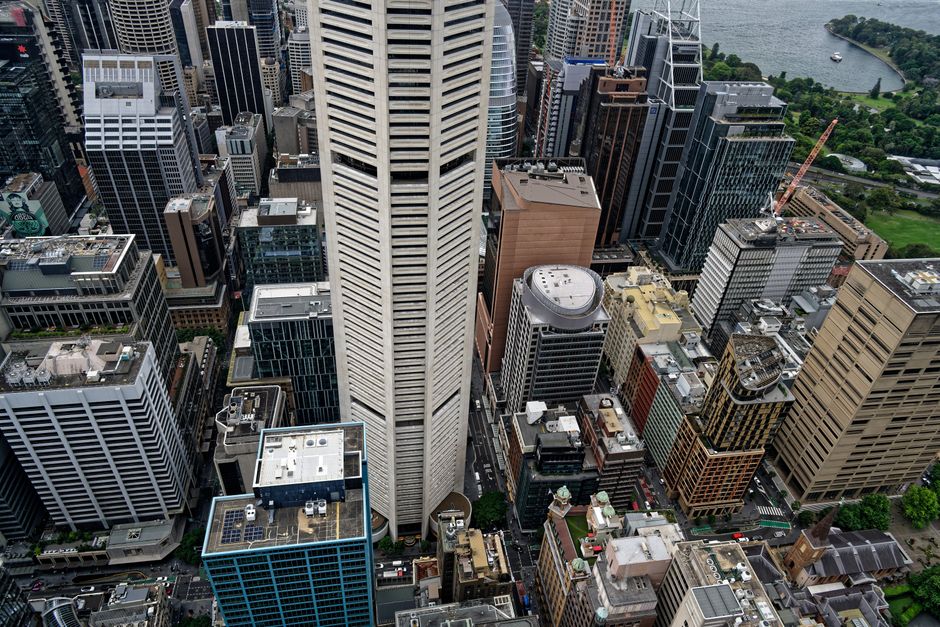
The surge is most visible in Sydney's CBD and waterfront precincts. Hotels along Barangaroo Reserve are reporting occupancy rates above 85 per cent, with average room rates climbing to $285 per night—a 23 per cent increase year-on-year. Boutique operators have proven particularly agile. Several smaller properties in Surry Hills and Paddington, which invested in flexible booking models during the downturn, are now commanding premium rates by offering curated local experiences alongside accommodation.
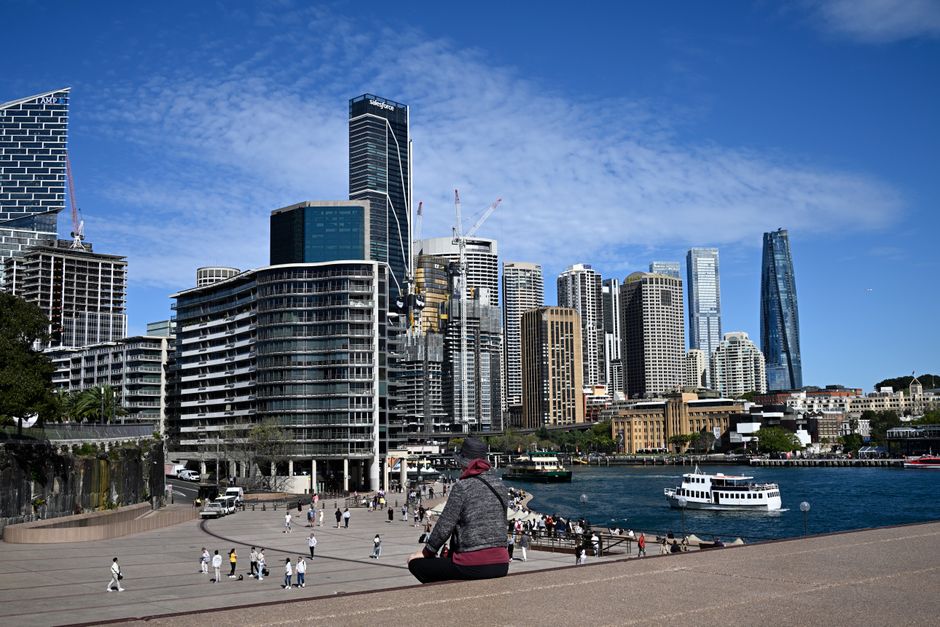
Restaurant and hospitality venues are equally capitalising. Bookings at establishments across the Circular Quay precinct and along King Street Newtown have extended wait times to 3-4 weeks for dinner seatings. Some venues have responded by introducing premium ticketed experiences—tasting menus paired with curated neighbourhood walks—which are fetching $180-220 per person and selling out weeks in advance.
The real opportunity, however, extends beyond traditional hospitality. Tour operators focusing on authentic, locally-led experiences—walking tours through inner-west neighbourhoods, Aboriginal cultural sessions in partnership with Gadigal land custodians, and behind-the-scenes food market experiences—are reporting their strongest demand in a decade. Several small operators have hired additional guides and expanded their calendars by 40 per cent to meet demand.
Not every business is positioned to benefit equally. Larger, established operators with existing distribution networks and capital for marketing have captured early momentum. Small venues without online booking systems or social media presence are struggling to convert the surge into revenue. Industry observers note that accessibility—particularly for visitors arriving without pre-booked experiences—remains a constraint in some pockets of the city.
The challenge now is sustainability. Tourism NSW estimates the current trajectory could generate an additional $1.2 billion in visitor spending annually if maintained. But stakeholder groups warn that workforce shortages, particularly in hospitality and guiding, risk capping growth unless training and wage competition intensify. Early-moving operators who have secured skilled staff are better positioned to sustain the momentum through what many expect will be a multi-year cycle of elevated demand.
This article was compiled by AI from the sources linked above and screened before publishing. See our editorial standards.