Global Instability Reshapes Sydney's Food and Hospitality Supply Chain
From ingredient costs to labour availability, geopolitical tensions and economic shifts are forcing local venues across the CBD and inner west to rethink operations.
From ingredient costs to labour availability, geopolitical tensions and economic shifts are forcing local venues across the CBD and inner west to rethink operations.
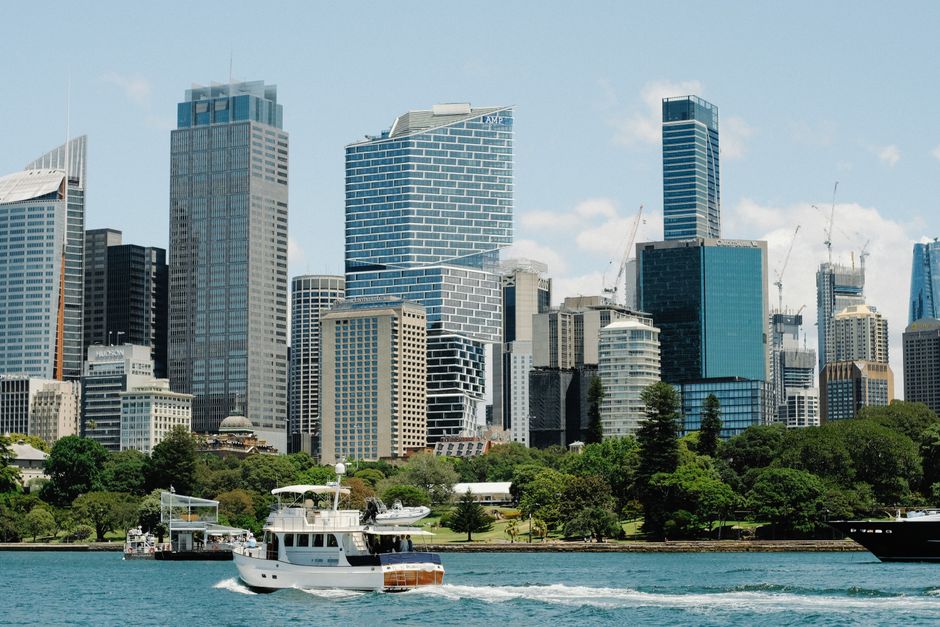
Sydney's thriving hospitality sector is grappling with unexpected headwinds as global instability ripples through supply chains and labour markets. Venues across the city—from fine dining establishments in the CBD to casual eateries in Surry Hills and Marrickville—are managing tighter margins and operational uncertainty amid international trade tensions and regional conflicts.
The challenge manifests in multiple ways. Shipping disruptions, partly linked to geopolitical tensions affecting Middle Eastern trade routes, have pushed seafood and specialty ingredient costs up by 8-15 per cent since early 2026, according to industry sources. A premium fish restaurant in Barangaroo noted that their Atlantic salmon prices have surged from $32 per kilogram to $37, forcing menu adjustments that risk alienating price-sensitive diners.
Labour scarcity compounds the pressure. Immigration restrictions in key source countries, coupled with visa processing delays, have tightened the pool of experienced chefs and hospitality workers available in Sydney. Venues are competing fiercely for staff, with some inner-west establishments now offering $70,000-plus salaries for head chefs—a 12-18 per cent jump from 2024 levels.
Conversely, some sectors are finding opportunity. Venues pivoting toward locally-sourced and domestic ingredients—a trend visible in Newtown's farm-to-table community—report stronger customer loyalty and slightly improved margins. The Byron Bay and Hunter Valley supplier networks are seeing renewed demand from Sydney restaurants keen to shorten supply chains and reduce currency exposure.
Currency fluctuations add another layer of complexity. The Australian dollar's volatility against the US dollar has made importing European wines, Italian olive oils, and Japanese sake significantly more expensive. Independent wine bars in Paddington and Potts Point have shifted inventory toward Australian producers, reshaping traditional offerings.
The hospitality sector, representing roughly 4 per cent of NSW employment, is adapting faster than many industries. Forward-thinking operators are diversifying suppliers, investing in staff retention programs, and modifying menus to reflect cost realities. Yet smaller venues—the backbone of neighbourhoods like Glebe and Ultimo—face genuine survival pressure if input costs don't stabilise.
Industry bodies, including Restaurant & Catering Australia, are calling for government support around visa processing and logistics infrastructure. For now, Sydney diners may notice slightly smaller portions, elevated prices, and menus that shift seasonally rather than annually—a quiet but measurable impact of a more complicated world.
This article was compiled by AI from the sources linked above and screened before publishing. See our editorial standards.
How does this story make you feel?
Spread the word
About this article
Published by The Daily Sydney
Daily brief
Free, in your inbox before 7am. Weekdays.
More in Business