Sydney Hospitality Jobs: Wages Rise as Venues Battle for Staff
Sydney restaurants and bars across the CBD and inner west are hiking wages 15-20% to attract experienced chefs and bartenders amid a severe hospitality staff shortage.
Sydney restaurants and bars across the CBD and inner west are hiking wages 15-20% to attract experienced chefs and bartenders amid a severe hospitality staff shortage.
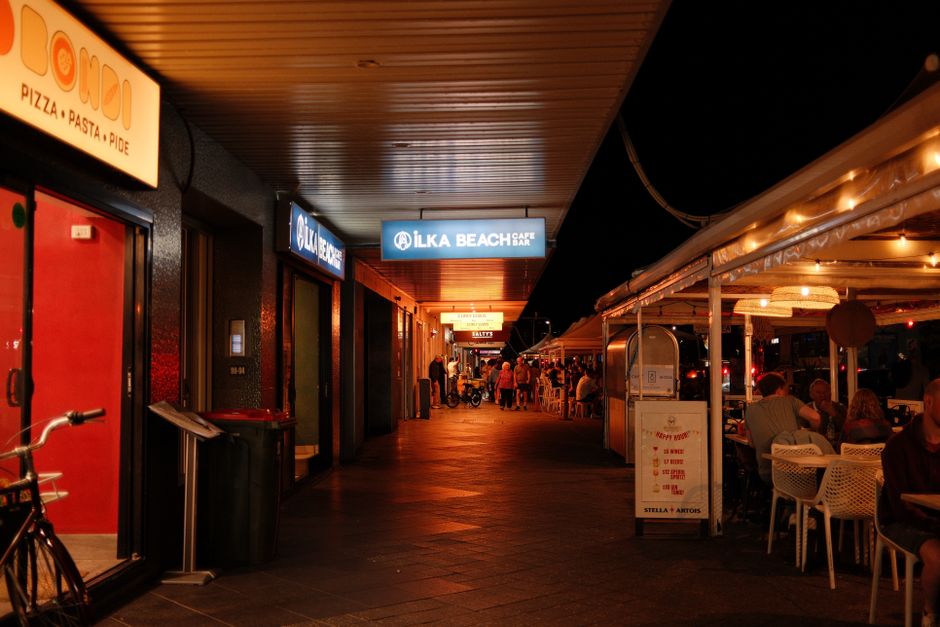
Sydney's restaurant and hospitality sector is experiencing a curious paradox. While high-profile venue closures continue to make headlines, the sector overall is booming—and the scramble for staff is rewriting the rules of employment in kitchens, bars, and front-of-house operations across the city.
Data from hospitality recruitment firms shows vacancy rates in Sydney's food and beverage sector have climbed to levels not seen since the pandemic recovery. Positions across Surry Hills, Barangaroo, and the inner west are proving difficult to fill, particularly for experienced sous chefs, head bartenders, and front-of-house managers. Wages have responded accordingly, with experienced kitchen staff now commanding salaries 15-20 per cent higher than they did two years ago, according to industry insiders.
The shift is most pronounced in Sydney's premium dining precinct. Establishments in the CBD and around Circular Quay are competing not just with each other, but with emerging hospitality hubs in Marrickville, Newtown, and the Inner West more broadly. The decentralisation of Sydney's dining culture means that restaurants no longer enjoy a captive audience of workers willing to accept lower pay for prestige alone.
"We're seeing venues offer things that were unthinkable five years ago," says a manager at a Potts Point fine dining establishment, speaking on condition of anonymity. "Four-day weeks, study support, mental health services—these are now baseline expectations, not perks."
The trend extends beyond wages. Hospitality operators are increasingly investing in training pipelines, partnering with TAFE NSW and private hospitality schools to develop junior staff. Some venues are even offering apprenticeships with guaranteed progression, attempting to build loyalty in an increasingly transient workforce.
Yet this talent reshaping comes with complications. Rising labour costs are pressuring margins already squeezed by climbing rents and ingredient prices. A mid-range two-course meal in central Sydney now averages $65-75, up from $55 just eighteen months ago. Some venues are experimenting with service models—from fine casual to high-turnover formats—to manage staffing costs more effectively.
The broader economic context matters too. With Sydney's median wealth among the highest globally, consumer expectations for service quality have risen. Diners expect knowledgeable, attentive staff—which means operators must pay competitively to attract and retain talent capable of meeting those expectations.
What emerges is a sector in transition. The old model of hospitality work—long hours, modest pay, high turnover—is giving way to something more professionalized and structured. For Sydney's job market, that signals maturation. For workers, it means unprecedented leverage.
This article was compiled by AI and screened before publishing. See our editorial standards.
How does this story make you feel?
Spread the word
About this article
Published by The Daily Sydney
Daily brief
Free, in your inbox before 7am. Weekdays.
More in Business