Sydney's Food Scene Booms as Tourism and Consumer Confidence Surge
A confluence of rising wealth, housing momentum and tourism recovery is opening doors for ambitious venue operators and established players alike across the city's dining precincts.
A confluence of rising wealth, housing momentum and tourism recovery is opening doors for ambitious venue operators and established players alike across the city's dining precincts.
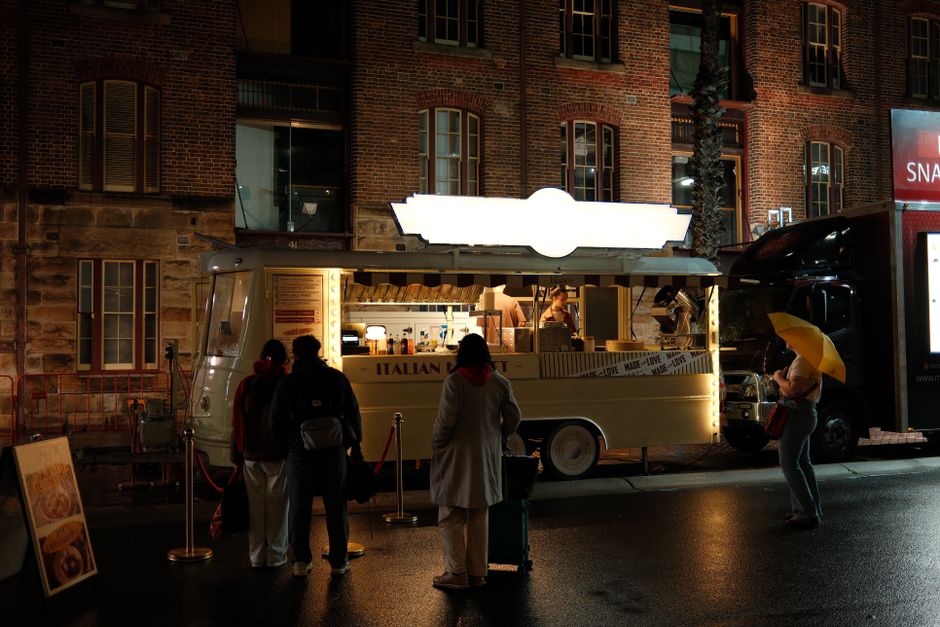
Sydney's retail hospitality sector is experiencing a marked shift in fortune, with venue operators and food entrepreneurs reporting stronger footfall, rising table bookings and improved margins as consumer confidence stabilises across the city.
The tailwinds are evident across the CBD and beyond. In the CBD's laneways—Barangaroo Reserve, the reopened Arcade precinct near Pitt Street Mall—smaller venue operators report their busiest winter trading period in three years. Meanwhile, the inner-west neighbourhoods of Marrickville and Newtown are seeing a surge in new fit-outs, as investors capitalise on younger demographics moving into newly subdivided properties.
The emerging opportunity reflects multiple factors converging simultaneously. Australia's ranking among the world's wealthiest nations has buoyed discretionary spending, particularly among high-net-worth individuals concentrated in Sydney's eastern and northern suburbs. Tourism numbers—both international and domestic—are rebounding to pre-pandemic norms, filling midweek seatings that historically struggled outside peak periods. And critically, Sydney's property market remains a drawcard for interstate migration, sustaining residential density that underpins local food and hospitality demand.
Established operators are already positioned to benefit. Major hospitality groups operating multiple venues across Darling Harbour, Circular Quay and the Rocks report improved same-store sales year-on-year. Their scale allows them to absorb rising labour costs—hospitality wages in Sydney remain among Australia's highest at around $27–$30 per hour for experienced staff—while maintaining serviceability.
But independent operators are finding their own momentum. Suburbs like Paddington, Surry Hills and Glebe are seeing independent venues expand offerings or secure expansion leases. The shift reflects a broader insight: consumers are spending, but selectively. Venue operators report customers are trading down from premium venues to mid-tier establishments offering quality without price premiums, and authenticity is outweighing corporate polish.
The hospitality integrity challenge remains real, however. Labour compliance, particularly around penalty rates and superannuation, continues to scrutinise the sector's operational margins. Yet for venues managing this landscape effectively, the current environment represents perhaps the most sustainable opportunity in three years.
For Sydney's hospitality sector, the question is no longer whether demand will return—it has. The question is whether operators can scale responsibly to meet it.
This article was compiled by AI and screened before publishing. See our editorial standards.
How does this story make you feel?
Spread the word
About this article
Published by The Daily Sydney
Daily brief
Free, in your inbox before 7am. Weekdays.
More in Business