Sydney Hospitality Sector: What Rising Wealth Means for Investors
Sydney's hospitality boom masks uneven growth across suburbs and CBD. What wealth concentration means for restaurant and venue investment decisions in 2024.
Sydney's hospitality boom masks uneven growth across suburbs and CBD. What wealth concentration means for restaurant and venue investment decisions in 2024.
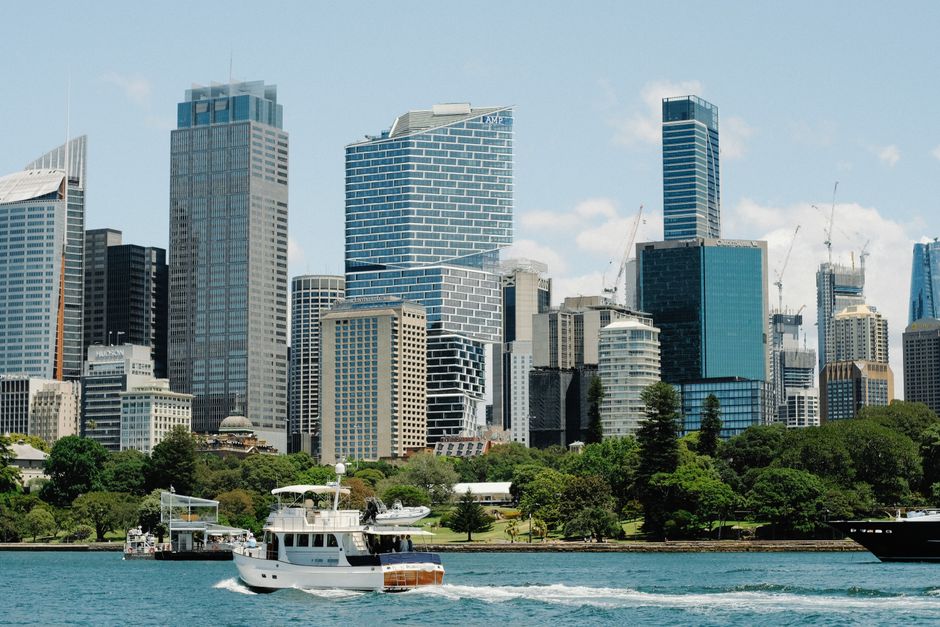
Sydney's hospitality and food sectors are sending mixed signals to investors as the city navigates a complex economic landscape shaped by competing forces: household wealth at historic highs, yet fragile consumer confidence and tightening margins.
The UBS global wealth report released this week positioned Australia among the world's wealthiest nations per capita—good news for venues along Barangaroo's waterfront and Paddington's restaurant row. Yet beneath that headline sits a critical reality: wealth concentration means investment flows remain highly selective. Premium dining precincts like Surry Hills and the CBD are seeing capital inflows, but suburban hospitality operators tell a different story about foot traffic and spending patterns.
Recent regulatory action against major food suppliers—including enforcement against misleading labelling practices—has reset competitive dynamics. Smaller operators and independent venues gain advantage when larger players face compliance costs, though this also signals tightening consumer scrutiny on authenticity and transparency. For investors, this creates opportunity in venues that can credibly differentiate on sourcing and preparation.
Hospitality employment data provides another crucial indicator. Sydney's accommodation and food services sector employs roughly 220,000 people, yet wage growth hasn't kept pace with operating cost inflation. Rent pressures in established precincts like Darling Harbour and Newtown remain severe. This labour cost-wage disconnect means productivity gains matter more than ever, favouring venues with efficient systems and higher-margin offerings.
The data also reveals a geographic divergence. Inner-west suburbs—Marrickville, Enmore, Newtown—are attracting younger demographics with disposable income, driving investment in casual dining and independent hospitality. Meanwhile, the Eastern Suburbs maintain strength in premium segments. Investment capital follows these demographic flows carefully.
Interest rate dynamics remain critical context. With the RBA maintaining its current settings, the cost of capital for expansion or venue acquisition remains manageable relative to 2024-25 levels, but still elevated against historic norms. Operators and investors are therefore more disciplined about location selection and concept validation.
For investors reading the market: look beyond aggregate consumer wealth figures. Sydney's hospitality investment opportunity exists at the intersection of three factors—demographic concentration in growth corridors, regulatory reshaping of competitive advantage, and cautious but available capital for well-positioned operators. The venues thriving aren't necessarily the biggest; they're those executing clearly differentiated concepts in locations where customer spending patterns match their positioning.
The sector's complexity right now rewards investors who understand not just headline economic data, but the granular flows beneath.
This article was compiled by AI and screened before publishing. See our editorial standards.
How does this story make you feel?
Spread the word
About this article
Published by The Daily Sydney
Daily brief
Free, in your inbox before 7am. Weekdays.
More in Business