Sydney Tourism Economy: Growth Metrics & Investment Trends
Sydney's visitor economy rebounds strongly with rising international arrivals, hotel occupancy growth, and major CBD hospitality investments driving economic recovery.
Sydney's visitor economy rebounds strongly with rising international arrivals, hotel occupancy growth, and major CBD hospitality investments driving economic recovery.
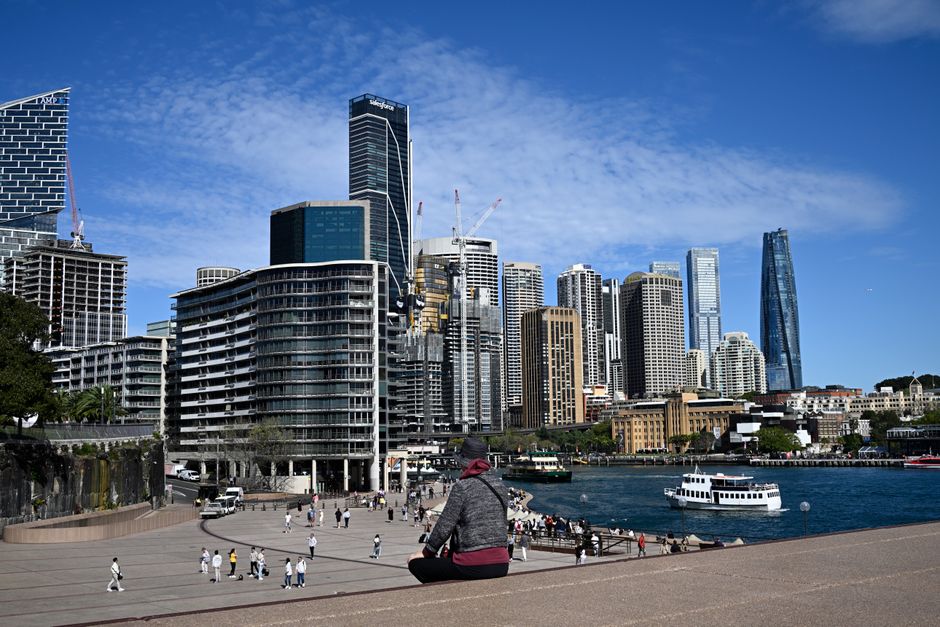
Sydney's visitor economy is showing all the classic signs of robust health, with a cascade of economic indicators pointing to sustained growth and renewed investor confidence in the sector. Understanding these metrics—from arrival numbers to occupancy rates to capital deployment—reveals how tourism dollars ripple through the local economy.
International visitor arrivals to Sydney have rebounded to pre-pandemic levels and beyond, with data from Tourism Australia suggesting sustained growth through 2026. This translates directly into occupancy rates at properties across the CBD and surrounding precincts. Premium hotels in the Barangaroo precinct, along the eastern suburbs corridor from Bondi to Coogee, and across inner-west neighbourhoods like Surry Hills and Darling Harbour are reporting consistently strong bookings. Average daily rates—what hotels charge per room—have climbed steadily, signalling both demand strength and pricing power.
The economic mechanics are straightforward: higher visitor numbers drive accommodation revenue, which cascades into hospitality employment, restaurant bookings, and attraction visitation. Operators along Pitt Street and George Street in the CBD, and throughout the Rocks precinct, track these flows closely. When international visitors spend an average of $4,000 to $5,000 per trip across accommodation, dining, and activities, the cumulative impact becomes substantial.
Investment capital is following demand signals. Major hotel operators and real estate trusts have announced or committed to refurbishment projects and new developments across Sydney's visitor districts. Barangaroo Reserve, the cultural precinct around the Opera House and Royal Botanic Garden, and emerging hospitality hubs in the inner west are attracting developer attention. These investments signal confidence that visitor flows will remain elevated.
Convention and events activity provides another economic indicator. When major conferences book venues at the International Convention Centre and corporate events fill Darling Harbour venues, they bring delegate spending and extended-stay accommodation demand. This segment proved resilient and is now expanding again.
Employment multipliers matter too. Tourism sector jobs—from housekeeping to front-of-house roles at restaurants, retail, and attractions—employ thousands across Sydney. Wage bills translate into local spending and tax revenue.
The challenge ahead involves sustaining these flows amid global economic uncertainty. Economists point to currency fluctuations, competitor destinations' recovery rates, and domestic economic conditions as variables shaping the trajectory. However, current indicators—rising arrivals, strengthening occupancy, capital commitments, and strong convention bookings—suggest Sydney's visitor economy has momentum. For investors, operators, and policymakers, these metrics offer a clear window into an increasingly important pillar of Sydney's economy.
This article was compiled by AI and screened before publishing. See our editorial standards.
How does this story make you feel?
Spread the word
About this article
Published by The Daily Sydney
Daily brief
Free, in your inbox before 7am. Weekdays.
More in Business