What Australia's wealth ranking tells us about trade flows and investment cycles
As Sydney firms navigate shifting global markets, new data reveals how international capital moves—and what it means for local businesses.
As Sydney firms navigate shifting global markets, new data reveals how international capital moves—and what it means for local businesses.

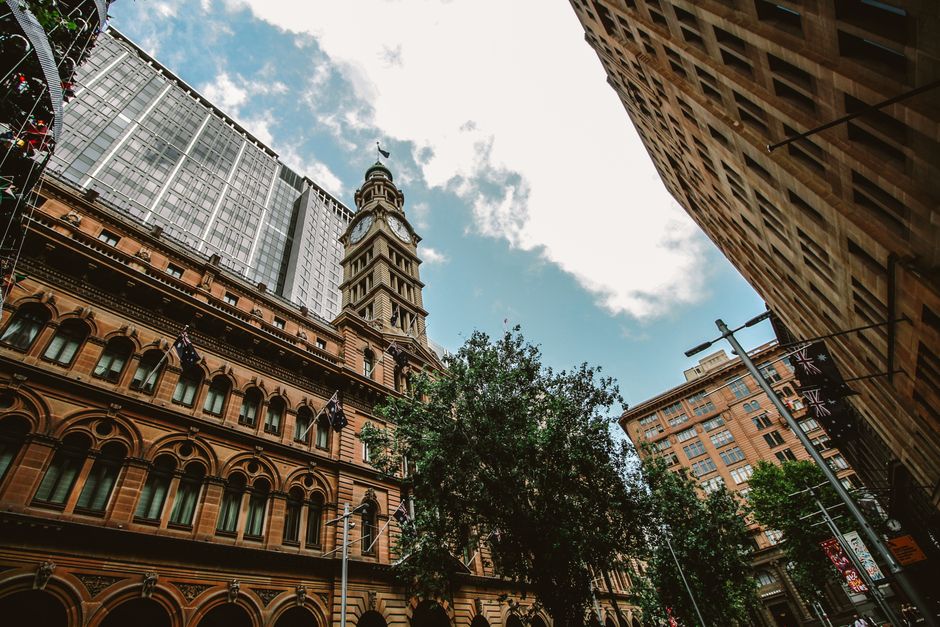
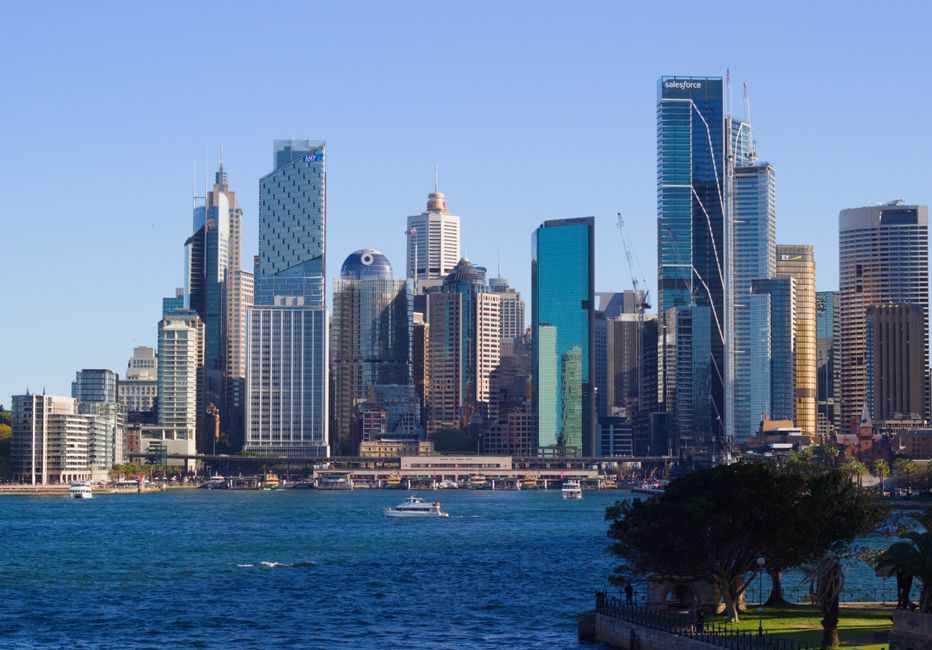
Australia's position as the world's third-wealthiest nation by median wealth doesn't happen by accident. Behind the gleaming office towers of the Sydney CBD and the bustling deal-making across Martin Place lies a complex web of international trade flows and capital movements that's reshaping how local businesses operate.
The latest economic indicators tell a story worth unpacking for anyone watching Sydney's business landscape. When capital flows into Australia, it typically arrives through three channels: direct foreign investment in resources and infrastructure, portfolio investment in equities and bonds, and trade revenues from exports. Right now, each is sending mixed signals.
Take the resources sector first. While mining royalties remain crucial—as evidenced by ongoing disputes in family offices across the eastern suburbs—international investors are increasingly diversifying. Professional services firms clustered around Barangaroo and the Rocks are reporting stronger inbound interest from Asia-Pacific tech companies than from traditional resource investors. This shift matters because it changes where capital concentrates and which sectors benefit.
Trade data also reveals friction points. Australia's export values have remained relatively stable, but the composition is changing. Agricultural products and refined goods are gaining relative importance as manufacturing competition intensifies globally. For Sydney-based exporters, this means margins are tightening—a reality reflected in the cautious expansion plans many firms announced in the first half of 2026.
Foreign exchange movements add another layer. The Australian dollar's recent volatility against major currencies affects everything from the cost of imported equipment to the competitiveness of exported services. Sydney's financial services sector, concentrated around the ASX building and Pitt Street offices, watches these movements obsessively because they ripple through investment returns.
What does this mean practically? Companies in Parramatta's growing business precinct are reporting that their access to offshore capital has become more selective. Banks are tightening lending criteria, making international joint ventures more attractive than traditional debt financing. Meanwhile, firms already integrated into regional supply chains—particularly those trading across South-East Asia—are experiencing more stable investment conditions.
The deeper lesson embedded in Australia's wealth ranking is this: our prosperity depends on continuous capital inflows, but those flows are becoming more discerning. They favour businesses with clear international strategies, diversified revenue sources, and genuine competitive advantages.
For Sydney's business community, that means the old playbook of simply exporting commodities or attracting investment through low costs no longer suffices. Success increasingly requires understanding—and positioning for—the directional shifts in global capital allocation.
This article was compiled by AI and screened before publishing. See our editorial standards.
How does this story make you feel?
Spread the word
About this article
Published by The Daily Sydney
Daily brief
Free, in your inbox before 7am. Weekdays.
More in Business