Sydney office market 2026: vacancy rates and lease strategy
Sydney's CBD faces rising vacancies and stabilising rents in 2026. Discover how businesses can renegotiate leases and reassess real estate strategy amid hybrid work shifts.
Sydney's CBD faces rising vacancies and stabilising rents in 2026. Discover how businesses can renegotiate leases and reassess real estate strategy amid hybrid work shifts.
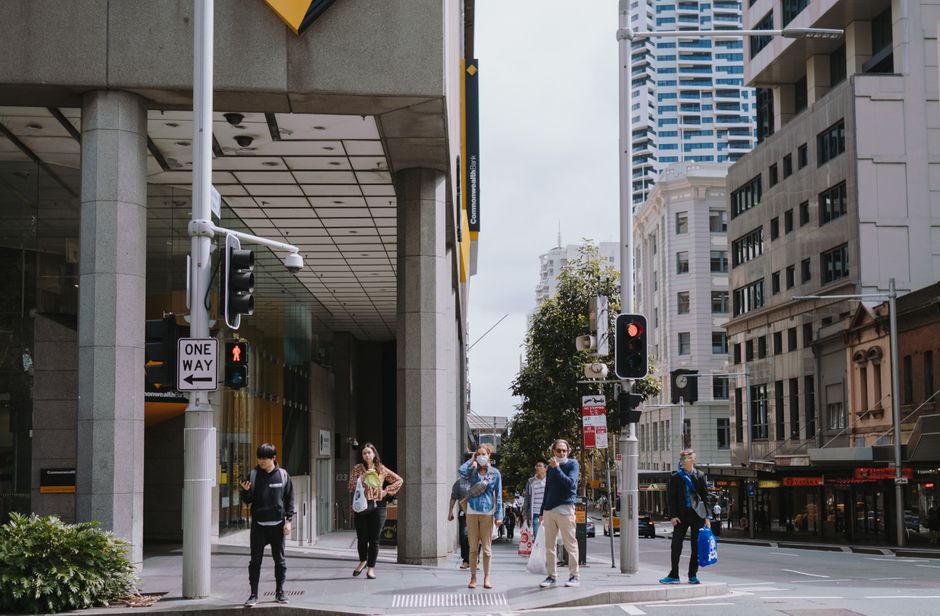
Sydney's commercial property market is sending mixed signals as we move through the second half of 2026, with office landlords and tenants alike grappling with a dramatically altered landscape shaped by hybrid work patterns and economic uncertainty.
The CBD remains the epicentre of transformation. Martin Place, Barangaroo and the western corridor around Circular Quay continue to attract premium occupiers, but vacancy rates have drifted upward across lower-grade stock. Properties on the fringes of the CBD—particularly around Central Station and along Elizabeth Street—are experiencing sustained pressure, with some buildings sitting at 15-20% vacancy. This creates both risk and opportunity for businesses renewing leases before year's end.
Increasingly, Sydney companies are decentralising. Parramatta has emerged as a genuine alternative hub, with Grade-A office space commanding $650-750 per square metre annually—a significant discount to inner-city rates hovering around $1,200-1,400. Westfield Sydney and the precinct around Church Street are seeing renewed interest from financial services and tech firms seeking lower occupancy costs without sacrificing accessibility.
The data tells a compelling story. Australian Bureau of Statistics figures show Sydney's office market has experienced net negative absorption over the past 18 months, with flexibility increasingly prized over fixed long-term commitments. Landlords are responding by offering shorter-term deals, fit-out contributions, and rent-free periods—a marked departure from the seller's market of 2021-2022.
For businesses currently occupying space in Darlinghurst, Surry Hills, or other inner-city fringe areas, the timing is advantageous. Renegotiations leveraging softer market conditions could yield 10-15% reductions on renewal rates, particularly for tenants willing to commit to shorter terms or relocate to emerging precincts.
The South Sydney corridor—including Waterloo, Redfern, and Alexandria—presents an intriguing wildcard. Mixed-use developments and proximity to transport infrastructure are attracting younger, growth-stage businesses, though these areas remain less favoured by traditional corporate occupiers.
Strategic considerations for businesses extending or searching for space: flexibility is currency, CBD premiums are under pressure, and secondary markets now offer genuine alternatives. The days of accepting landlord-favourable terms are over. Professional advisors report an uptick in companies using current market conditions to reassess whether physical office space aligns with their operational needs—a conversation every Sydney business should be having before entering lease negotiations.
This article was compiled by AI and screened before publishing. See our editorial standards.
How does this story make you feel?
Spread the word
About this article
Published by The Daily Sydney
Daily brief
Free, in your inbox before 7am. Weekdays.
More in Business