Sydney Hospitality Costs 2026: Labour & Supply Pressures
Sydney restaurants and retail shops face labour cost increases, consumer caution, and supply chain pressures threatening margins across CBD, Inner West and beachside venues.
Sydney restaurants and retail shops face labour cost increases, consumer caution, and supply chain pressures threatening margins across CBD, Inner West and beachside venues.
Sydney's once-booming hospitality and retail landscape is facing mounting headwinds as business operators across the CBD, Inner West and beachside precincts grapple with a convergence of economic pressures that threaten profitability and growth.
The challenges are multifaceted. Award wage increases have pushed labour costs higher, with hospitality workers in establishments from Darling Harbour to Surry Hills seeing rises that now account for roughly 30–35 per cent of many venues' operating expenses. Meanwhile, consumer spending patterns have shifted noticeably. While Australia ranks among the world's wealthiest nations on a per-capita basis, discretionary spending on dining and retail has become more cautious, with households reassessing expenditure in the face of sustained cost-of-living pressures.
Food suppliers are another pain point. Recent regulatory scrutiny—including enforcement actions against major suppliers over misleading labelling—has added compliance costs that filter downstream to restaurants and retailers managing inventory and provenance claims. A bowl of açai or coffee at a Surry Hills café that cost $16 two years ago now regularly commands $18–20, placing them at the upper end of customer tolerance.
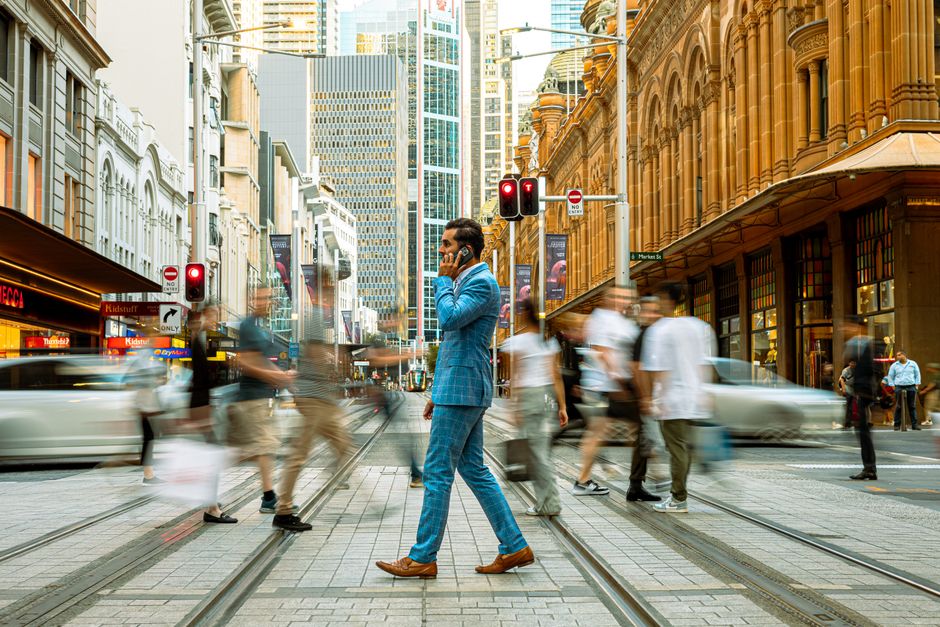
The situation is particularly acute in premium retail corridors. Pitt Street and Castlereagh Street retailers are contending with elevated commercial rents that haven't declined despite softer foot traffic. Shopping centres in the CBD and outlying areas report mixed performance, with experiential venues and dining precincts holding their own while traditional fashion and goods retailers face continued digital competition.
Supply chain vulnerabilities persist as well. Shipping delays, currency fluctuations and geopolitical uncertainty continue to affect import-heavy businesses, from specialty food importers in Marrickville to fashion retailers across the city. The combination of these factors has prompted some operators to streamline menus, reduce trading hours or consolidate locations.
Industry bodies acknowledge the sector remains resilient—tourism remains robust, and Sydney's population growth supports underlying demand. However, operators report that 2026 has brought no relief. Rent reviews, insurance premium increases and staffing challenges compound the picture.
For smaller independent venues—the cafés along Brunswick Street in Paddington or laneway bars in the Rocks—margins have become paper-thin. Some are exploring cost-sharing arrangements, pop-up formats or strategic partnerships to survive.
The broader message from the sector is clear: profitability now demands operational excellence and careful cost management, not merely strong customer loyalty or location advantage.
This article was compiled by AI and screened before publishing. See our editorial standards.
How does this story make you feel?
Spread the word
About this article
Published by The Daily Sydney
Daily brief
Free, in your inbox before 7am. Weekdays.
More in Business