Sydney Hospitality Businesses Navigate Shifting International Travel Patterns
As international travel patterns reshape, Sydney's tourism sector faces new opportunities and challenges that require savvy operators to adapt their strategies.
As international travel patterns reshape, Sydney's tourism sector faces new opportunities and challenges that require savvy operators to adapt their strategies.
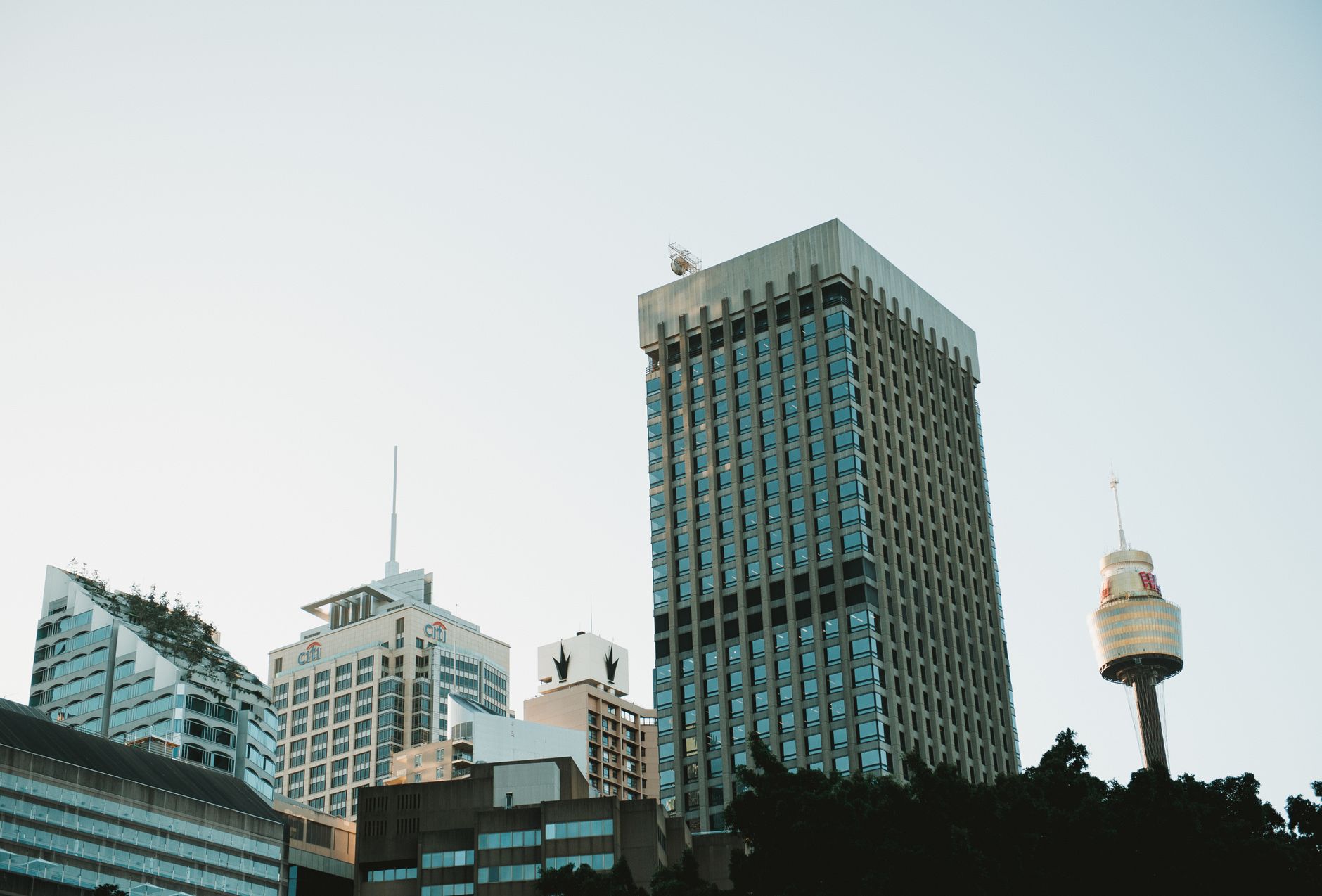
Sydney's tourism landscape is undergoing a significant recalibration, with visitor flows and spending patterns diverging sharply from pre-pandemic norms. Hospitality and retail operators across the city—from the CBD to beachside precincts—need to understand these shifting dynamics to stay competitive in 2026.
The composition of visitors arriving at Sydney Airport has changed materially. While international arrivals have rebounded to near 2019 levels, the mix has tilted heavily toward Asia-Pacific travellers, particularly from Japan, Singapore, and India. This demographic shift is reshaping everything from dining preferences in Barangaroo to souvenir purchasing patterns along the Rocks. Businesses that have invested in multilingual staff and culturally attuned service models are seeing measurable returns, while those relying on legacy English-speaking tourism playbooks are struggling.
Accommodation pricing presents a paradox. While luxury properties in the Eastern Suburbs and around Circular Quay remain resilient, mid-range hotels on Goulburn Street and Oxford Street are experiencing compression. Occupancy remains solid, but average daily rates have plateaued, forcing operators to compete on experience and convenience rather than price alone. Several hotel groups have responded by deepening partnerships with local experiences—walking tours, private dining, artisan retail—to justify room rates.
The length of stay metric matters more than ever. Domestic visitors are staying shorter periods, while international guests are extending visits beyond traditional three-day itineraries. This benefits experiences-focused businesses: galleries in the CBD, adventure operators in coastal suburbs, and food-tourism operators around Paddington and Surry Hills are seeing strong growth. Conversely, traditional retail in Pitt Street Mall is contending with reduced foot traffic as visitors concentrate spending on experiences.
Shoulder seasons—April-May and September-October—are becoming increasingly vital. Forward-booking data suggests these periods are attracting serious travellers seeking authentic Sydney experiences and manageable crowds. Businesses positioned to offer premium experiences during quieter periods will capture higher-margin visitors.
For operators, the takeaway is clear: yesterday's volume-based tourism model no longer applies. The Sydney Visitor Centre reports that first-time visitors now spend an average of $3,200 per person across accommodation, dining, and experiences—up from $2,400 in 2023—but they're being far more selective about where they spend it. Hospitality and retail businesses that understand their target visitor demographic, invest in authentic local partnerships, and differentiate beyond price will thrive. Those betting on return to pre-2020 patterns will find themselves increasingly sidelined.
This article was compiled by AI and screened before publishing. See our editorial standards.
How does this story make you feel?
Spread the word
About this article
Published by The Daily Sydney
Daily brief
Free, in your inbox before 7am. Weekdays.
More in Business