Tourism Surge Drives Up Sydney Prices, Crowds Popular Neighborhoods
Record visitor numbers are driving up prices and crowding popular spots—here's how it affects your wallet and daily life.
Record visitor numbers are driving up prices and crowding popular spots—here's how it affects your wallet and daily life.
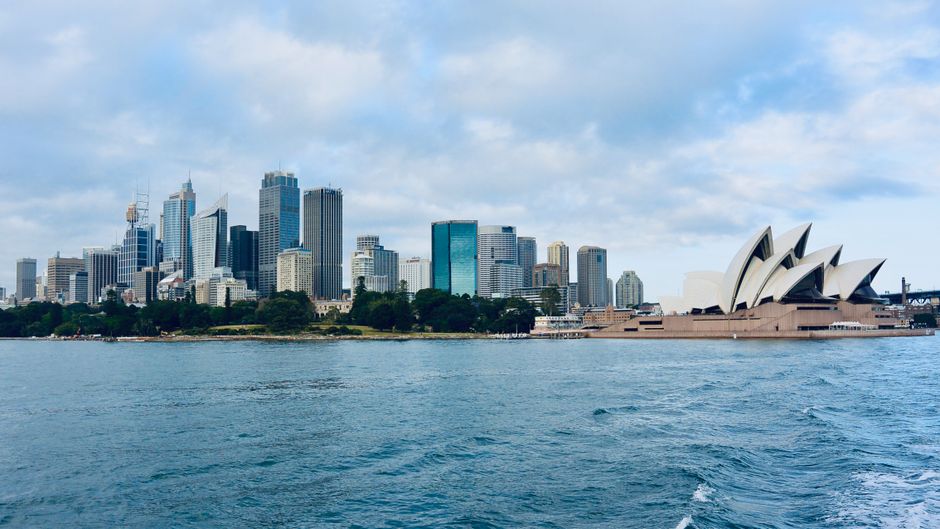
Sydney's visitor economy is experiencing unprecedented growth, with international arrivals climbing steadily since 2023. But for everyday residents—whether you're grabbing coffee in Surry Hills, navigating Circular Quay, or trying to book a restaurant in the CBD—the boom is having tangible, sometimes uncomfortable consequences you should understand.
Peak season pricing is now the norm year-round. A casual meal in areas like Barangaroo or The Rocks can cost 30-40% more than equivalent venues in inner-west suburbs like Newtown or Marrickville. Hotel operators report occupancy rates regularly exceeding 85%, which has translated into permanent price increases across accommodation, hospitality, and attraction entry fees. The Sydney Opera House has introduced dynamic pricing for tours, while Taronga Zoo tickets have risen significantly over the past two years.
Congestion is reshaping where locals shop and dine. Pitt Street Mall, once a reliable shopping destination, now requires patience during tourist season—typically September through November and January through March. Many residents are discovering alternative precincts further from the CBD: Paddington Markets, Glebe Point Road, and King Street in Newtown remain relatively less crowded despite their appeal.
Transport networks are under strain. TripAdvisor data shows visitor concentration at iconic sites like Bondi Beach, the Blue Mountains day trips, and Manly has increased foot traffic on rail lines and bus routes. Off-peak travel, if your schedule allows, can significantly improve your commute experience.
There's also a hidden benefit for some. Residential property values in close proximity to tourist draws—Barangaroo, Darling Harbour, the Eastern Suburbs—have appreciated faster than broader Sydney averages. If you're a homeowner in these areas, the tourism economy is working in your favour financially, even if it's adding frustration to your daily routine.
The visitor economy also sustains thousands of local jobs. Hospitality, retail, and attraction sectors employ significant numbers of Sydney residents, and operators are competing for staff by offering competitive wages—though wage growth hasn't always matched cost-of-living pressures.
For consumers, the practical takeaway is straightforward: timing matters. Visit major attractions and precincts during shoulder seasons or weekdays. Book restaurants ahead rather than turning up on weekends. Consider exploring secondary neighbourhoods—they often offer authentic experiences without the premium pricing or crowds that come with tourism hotspots.
Sydney's appeal as a global destination isn't changing. Understanding how tourism reshapes your city helps you navigate it more strategically.
This article was compiled by AI and screened before publishing. See our editorial standards.
How does this story make you feel?
Spread the word
About this article
Published by The Daily Sydney
Daily brief
Free, in your inbox before 7am. Weekdays.
More in Business