Tech talent floods Sydney's innovation districts, fueling startup boom
As tech talent floods into Barangaroo and Alexandria, landlords, service providers and early-movers are reaping rewards from Sydney's emergence as a genuine innovation hub.
As tech talent floods into Barangaroo and Alexandria, landlords, service providers and early-movers are reaping rewards from Sydney's emergence as a genuine innovation hub.
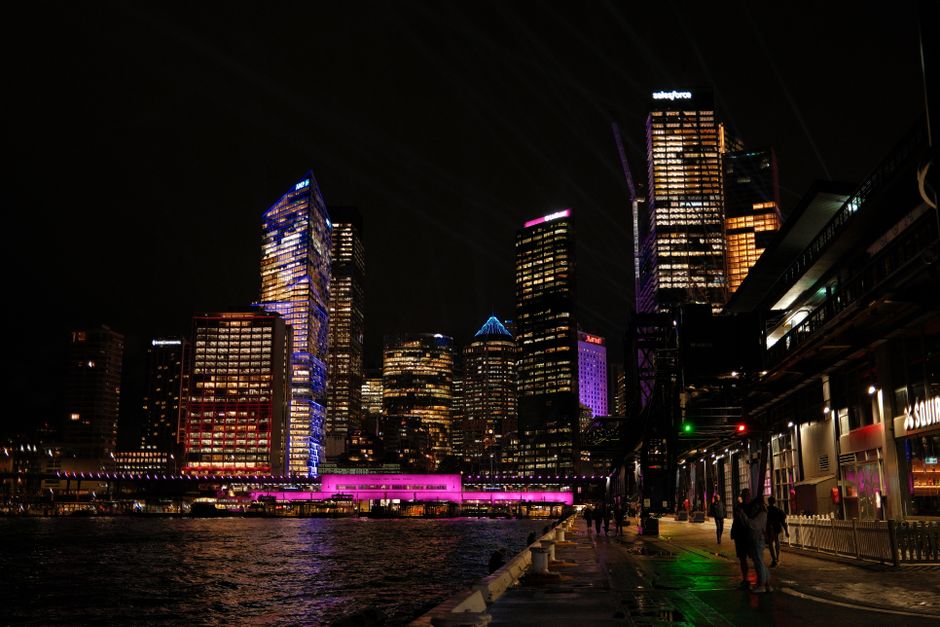
Sydney's startup ecosystem is entering a decisive growth phase, and the winners are becoming increasingly clear. While venture capital continues to flow into Australian tech ventures at record levels, a secondary beneficiary class is emerging: the landlords, service providers, and established businesses positioning themselves at the intersection of innovation districts.
The epicentre remains Barangaroo, where tech companies have consolidated a critical mass of talent and capital. Commercial landlords in the precinct are commanding premium rents—currently hovering around $600–$750 per square metre annually for quality office space—reflecting fierce competition for proximity to the startup ecosystem. But the real opportunity is sprawling southward and westward. Alexandria, increasingly marketed as Sydney's answer to Melbourne's startup corridor, has become a magnet for mid-stage companies seeking cheaper rents without sacrificing credibility or access to talent pipelines.
Local data tells the story: Alexandria's vacancy rates have plummeted to under 5 per cent as converted warehouses along Epsom Road and nearby laneways fill with software engineers, designers, and product teams. Residential property values in the surrounding suburbs have climbed accordingly, with landlords in Redfern and Waterloo capitalising on the influx of young professionals the innovation economy attracts.
Service providers embedded in these ecosystems are thriving too. Co-working operators, legal firms specialising in startup structuring, recruitment agencies focused on tech talent, and even hospitality venues have found reliable revenue streams. Networking spaces like those dotting the Barangaroo precinct and emerging competitors in Alexandria are typically operating at or near capacity.
The broader context matters here. Australia's position as a global wealth hub, underscored by recent international data, means domestic venture capital is increasingly abundant. Government initiatives supporting innovation—from research tax credits to visa pathways for global tech talent—are creating tailwinds. Unlike earlier startup cycles, this phase looks structurally durable rather than speculative.
However, not all opportunities are equally distributed. Companies with established revenue streams serving the startup sector report stronger resilience than those dependent on broader economic cycles. Landlords in fringe areas surrounding the core innovation districts face a bifurcated market: those with properties genuinely positioned for conversion or upgrade are seeing strong interest, while those without clear pathways to modernisation are struggling to compete.
For investors and business owners watching from the sidelines, the window for entry into emerging innovation precincts is narrowing. Secondary locations like Camperdown and Marrickville are beginning to attract attention, but pricing power favours early movers. The Sydney startup story is no longer about betting on a trend—it's about positioning for consolidation of growth that's already demonstrably underway.
This article was compiled by AI and screened before publishing. See our editorial standards.
How does this story make you feel?
Spread the word
About this article
Published by The Daily Sydney
Daily brief
Free, in your inbox before 7am. Weekdays.
More in Business